



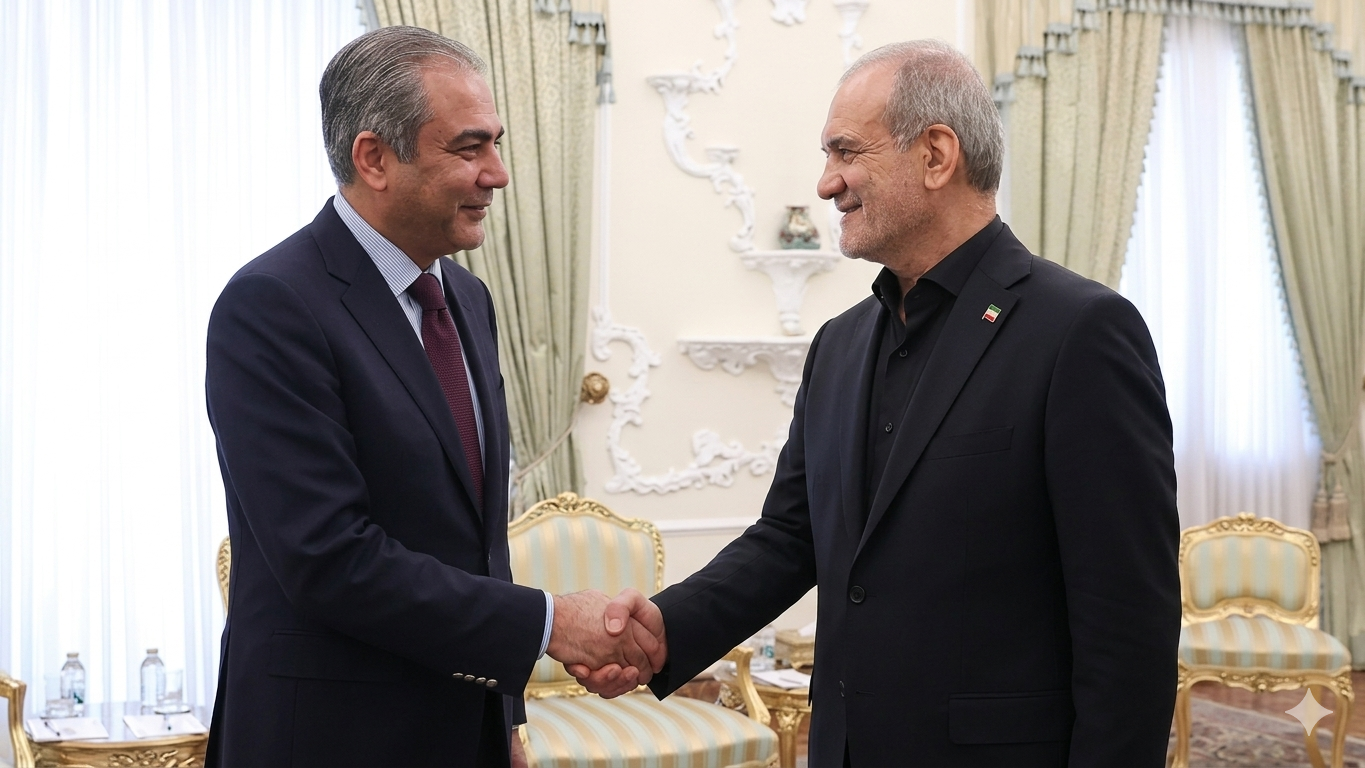
- Pakistan stops US strike on Iran through urgent 11th-hour diplomatic intervention
- Interior Minister Mohsin Naqvi’s Tehran visit proves pivotal in de-escalation
- Trump halts planned military attack amid signals of breakthrough negotiations
- Regional stability hangs in balance as Pakistan emerges as key mediator
In a dramatic late-night diplomatic intervention that may have averted a major regional escalation, Pakistan is emerging as a quiet but decisive force behind the United States’ sudden decision to call off a planned military strike on Iran, according to senior officials familiar with the matter.
What was shaping up to be one of the most consequential military actions in the Middle East in recent months was halted at the eleventh hour—after what sources describe as a “critical signal” conveyed from Islamabad to Washington. The message, delivered through high-level channels, urged restraint and emphasized that backdoor negotiations with Tehran were on the verge of a breakthrough.
Within hours, U.S. President Donald Trump publicly confirmed the reversal.
Oil Shock Risk Meets Singapore Resilience: Markets Navigate Geopolitical Heat and Supply Tightening
“We will NOT be doing the scheduled attack of Iran tomorrow,” Trump wrote, signaling a pause in what insiders say was a fully prepared and potentially devastating strike. Military assets were reportedly in position, and operational clearance was imminent.
But behind the scenes, Pakistan had moved swiftly.
At the center of this diplomatic push is Interior Minister Mohsin Naqvi, currently in Tehran on a three-day visit that has taken on extraordinary geopolitical significance. Pakistani officials say Naqvi has been engaged in back-to-back meetings with Iran’s top leadership—including the president, the speaker of parliament, and influential figures within the country’s security establishment.
Trump Seals Historic Billion-Dollar China Deals in Landmark Beijing Breakthrough
These discussions, described by insiders as “intense and forward-looking,” appear to have reassured Islamabad that Iran was willing to show flexibility in ongoing negotiations with Washington.
“The timing was critical,” a senior Pakistani official said. “There was credible fear that a strike would derail everything—not just talks, but regional stability itself. Pakistan conveyed that this was not the moment for escalation, but for diplomacy.”
Trump Gas Tax Suspension Plan Targets Soaring Fuel Prices Amid Iran War — Will Shehbaz Sharif Follow?
The intervention coincided with parallel appeals made by key Gulf leaders, including those of Saudi Arabia, the United Arab Emirates, and Qatar, who also urged Washington to allow more time for negotiations. However, sources suggest Pakistan’s message carried unique weight due to its direct engagement with Tehran and its longstanding position as a regional interlocutor.
Diplomatic observers note that Pakistan’s credibility in this moment stems from its ability to maintain working relationships across rival blocs—balancing ties with Iran, the Gulf states, China, and the United States.
Trump says he’s called off an attack on Iran to give talks more time
Naqvi’s presence in Tehran appears to have reinforced that role.
According to officials briefed on the talks, Iran has recently shown openness to revisiting key sticking points in negotiations, including uranium enrichment limits and the potential transfer of enriched material abroad. While no formal agreement has been reached, the tone of discussions has reportedly shifted from confrontation to cautious compromise.
That shift, Pakistani officials argue, justified the urgent appeal to delay military action.
“Pakistan saw a window—small, but real,” another source said. “The message to Washington was simple: don’t close it with a strike.”
The stakes could hardly be higher.
The United States and Iran remain locked in a tense standoff, particularly around the Strait of Hormuz—a critical artery through which roughly a fifth of the world’s oil supply flows. Any military escalation risks not only a wider regional conflict but also severe disruptions to global energy markets already strained by geopolitical uncertainty.
For Washington, the decision to pause the strike reflects both strategic calculation and mounting external pressure. Trump himself acknowledged that regional leaders had requested a brief delay—“two or three days”—to allow negotiations to progress.
Yet the president also made clear that the military option remains firmly on the table.
“The U.S. is prepared for a full, large-scale assault at a moment’s notice,” he warned, underscoring the fragile nature of the current pause.
For Pakistan, however, the immediate objective appears to have been achieved: buying time.
Analysts say Islamabad’s intervention highlights a broader ambition to position itself as a stabilizing force in an increasingly volatile region. While Pakistan has historically been viewed through the lens of its own security challenges, this episode may signal a more assertive diplomatic posture—one that leverages its geographic and political positioning to influence outcomes beyond its borders.
Mohsin Naqvi’s Tehran visit, initially seen as routine, now carries the imprint of high-stakes crisis diplomacy.
Whether this moment translates into a lasting de-escalation remains uncertain. Negotiations between Washington and Tehran are complex, layered, and often fragile. Previous rounds have faltered despite early optimism, and key differences—particularly over nuclear restrictions and regional security commitments—remain unresolved.
Still, for now, the guns have fallen silent.
And in the narrow window between war and diplomacy, Pakistan appears to have made its mark.