



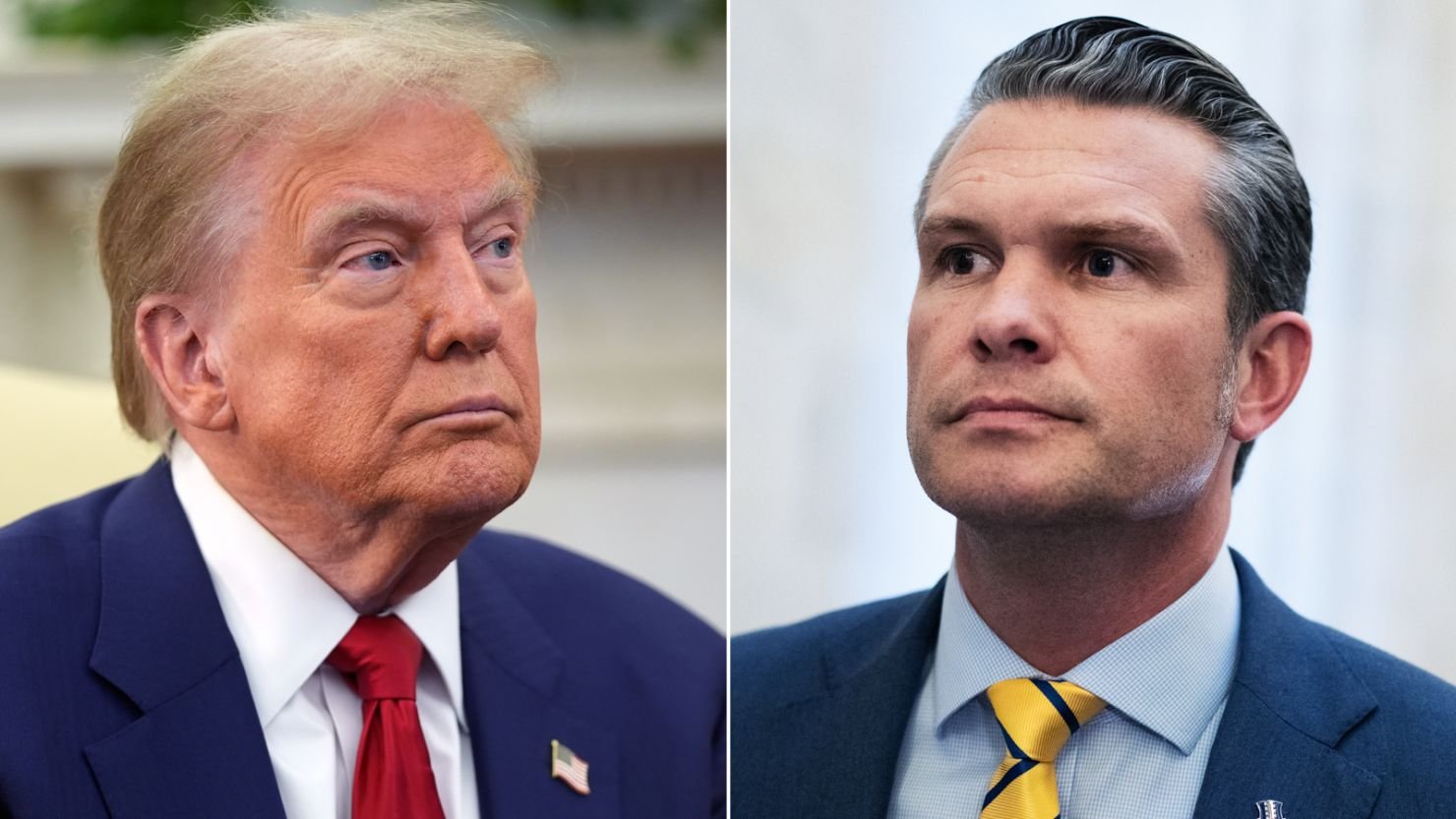
- Pete Hegseth impeachment, Midterm Fallout & Defections: Defeated and retiring GOP lawmakers are increasingly willing to back Rep. Thomas Massie’s impeachment resolution, leaving leadership bracing for critical party defections.
- The Iran War Backlash: Frustrated Republicans blame the military engagement with Iran for their electoral bloodbath, placing Defense Secretary Pete Hegseth squarely in the crosshairs of congressional anger.
- Geopolitical Risk: An internal fracture and potential cabinet ouster threaten to project American political instability abroad, seriously compromising the U.S. posture in the ongoing conflict.
House Republican leadership is bracing for a wave of party defections that could successfully impeach Defense Secretary Pete Hegseth, marking a stunning escalation of political fallout following a brutal midterm election cycle for the GOP.
The push to oust Hegseth, spearheaded by outgoing Rep. Thomas Massie (R-Ky.), centers on allegations that the defense chief bypassed Congress and illegally continued military hostilities against Iran.
While Republican leaders successfully stalled the resolution prior to Election Day by sending lawmakers home early, the political landscape has shifted fundamentally. Tuesday’s election losses left a block of outgoing and frustrated Republicans with little left to lose, fundamentally altering the math on Capitol Hill.
Pete Hegseth impeachment: Why This Impeachment Matters
The drive to impeach a sitting cabinet secretary during a period of intense executive strain carries massive institutional weight. For President Trump—already reeling from a midterm “bloodbath” that stripped the party of its congressional momentum—the targeting of his defense secretary strikes at the heart of his administration’s foreign policy authority.
READ NEXT: US Troop Withdrawal Europe: Hegseth’s NATO Shock Signals Strategic Shift and Rising Risk for Russia-Ukraine War
The primary catalyst for this Republican revolt is the ongoing military conflict with Iran. Within the GOP conference, a bitter blame game has taken hold, with many lawmakers pointing directly to the Iran war as the anchor dragging down the party’s electoral prospects.
READ MORE: House poised to impeach Pete Hegseth after GOP midterm defeat
Lawmakers argue that the entanglement alienated voters and exposed deep divisions over executive overreach and a lack of a clear exit strategy. Because Hegseth has served as the fierce public face of the campaign, he has absorbed the brunt of congressional ire.
Furthermore, the impeachment effort threatens to severely compromise the U.S. position regarding the Iran war. At a time when foreign adversaries are closely monitoring Washington for signs of domestic weakness or political paralysis, an internal fracture between the legislative branch and the Department of War projects profound instability.
If a cabinet official is actively impeached or forced out under a cloud of congressional defiance, America’s deterrence capability and unified front abroad face immediate erosion.
The Political Brinkmanship
The confrontation has created deep friction within the administration itself. While President Trump publicly defended Hegseth, asserting his intention to keep him in his post, reports indicate the defense chief is on precarious footing internally. Meanwhile, Massie has issued a blunt ultimatum: Hegseth must resign, or the impeachment resolution will be forced to the House floor.
Pentagon spokespersons have pushed back aggressively, labeling the measure a partisan “witch hunt” and insisting that the department has strictly adhered to the law.
However, with a new Democratic majority slated to take power in January—and armed with expanded investigative and subpoena powers—the pressure on Hegseth is mounting exponentially. Whether this week’s vote results in a historic rebuke or forces a cabinet resignation, the clash has exposed a deep, widening chasm over executive war powers that will reverberate long past the midterm fallout.
The crushing Republican setback in the midterms has left President Trump and his core team facing intense internal friction, political isolation, and a rapidly closing window of unconstrained executive authority.
With the electorate heavily punishing the administration over economic strains and the military entanglement in the Middle East, Trump’s inner circle is scrambling to recalibrate. Cabinet officials like Defense Secretary Pete Hegseth are absorbing the brunt of the blame, serving as lightning rods for congressional anger and facing credible threats of impeachment.
This political vulnerability directly threatens the trajectory of the U.S. war on Iran. Having lost both chambers of Congress to an incoming Democratic majority, the administration faces a stark fork in the road.
On one hand, the domestic mandate for military escalation has collapsed, creating intense pressure to seek a diplomatic off-ramp or an interim agreement. Conversely, a cornered executive, stripped of legislative backing and facing aggressive investigations come January, may double down on unilateral actions to project strength.
Ultimately, the midterm rout signals that the Iran war has become a heavy political liability, radically altering Washington’s capacity to sustain a prolonged conflict abroad.