



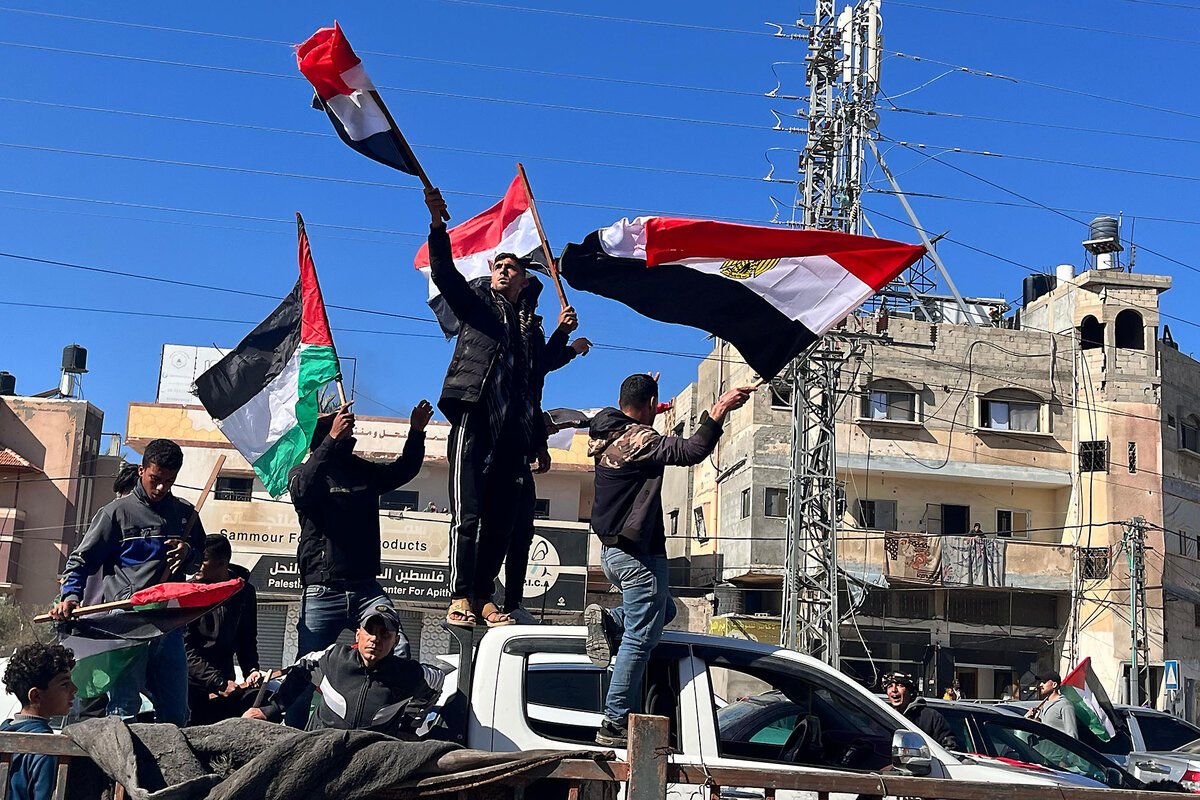
- 32 civilians killed in Saturday’s strikes.
- Ceasefire violation condemned by eight Muslim states including Pakistan.
- UN Security Council Resolution 2803 hangs in the balance.
- Pakistan’s nuclear status provides unique leverage on the Board of Peace.
A devastating surge of violence has shattered the precarious calm in the Gaza Strip, leaving at least 32 innocent Palestinians dead, including several children, following a series of Israeli airstrikes on Saturday. The strikes, which decimated residential apartments, displacement tents, and a police station in the Sheikh Radwan district, have sparked a firestorm of international condemnation and placed the future of regional stability on a knife-edge.
The Palestinian Civil Defence agency confirmed the humanitarian catastrophe, reporting that most of the victims were women and children caught in the crossfire of what Israel termed “retaliatory strikes.” However, for the grieving families in the Rimal neighborhood, where blood spatters marked the ruins of their homes, the technicalities of military retaliation offer no solace.
A Unified Front: The Muslim World Speaks
In a rare and powerful show of solidarity, Pakistan and seven other Muslim nations—including Egypt, Jordan, Saudi Arabia, and Qatar—issued a stinging joint statement. The foreign ministers of these eight pivotal states “strongly condemned Israel’s repeated violations of the ceasefire,” warning that such actions constitute a “direct threat to the political process.”
The joint communique emphasized that these hostilities risk “undermining efforts aimed at consolidating calm” at a critical juncture. The ministers called for the full implementation of UN Security Council Resolution 2803 and the immediate cessation of any actions that could derail the current peace trajectory.
“These actions risk escalating tensions and undermining efforts aimed at consolidating calm… at a time when regional and international parties are working collectively to advance the second phase of President Trump’s peace plan.” — Joint Statement of Foreign Ministers
Trump’s Peace Board Under Fire
The timing of the escalation is particularly damaging to the White House. The violence has dealt a “heavy blow” to President Donald Trump’s ambitious efforts for peace and reconstruction in Palestine. The ceasefire violation threatens to stall the transition into the “second phase” of the Trump administration’s 20-point plan, which focuses on demilitarization and the rebuilding of Gaza’s infrastructure through the newly established Board of Peace.
Diplomatic sources warn that if the truce continues to crumble, the credibility of the Board—chaired by Trump himself—could be permanently tarnished before reconstruction even begins.
Pakistan: The Nuclear Pivot
Within this complex geopolitical chess match, Pakistan occupies a unique and decisive position. As the only Muslim nuclear-armed state, Islamabad carries immense weight on Trump’s “Board of Peace.” Pakistan’s involvement is not merely symbolic; its strategic depth and historical ties to both the Western and Islamic worlds make it a vital bridge.
Experts suggest that Pakistan could play a decisive role in pressuring Israel to adhere to the peace agreement. By leveraging its military and diplomatic stature, Islamabad acts as a guarantor for the Muslim world, ensuring that the promise of a “just and lasting peace grounded in the Palestinian right to self-determination” remains more than just rhetoric.