


- CIA recruitment of Chinese military officers marks a bold escalation in U.S.-China intelligence rivalry.
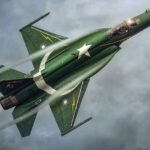
- China’s military modernization includes stealth jets, hypersonic missiles, and naval expansion.
- Xi Jinping’s anti-corruption purge has tightened internal PLA discipline and reduced spy vulnerabilities.
- The intelligence contest reflects a broader Cold War-style geopolitical confrontation.
As China accelerates the modernization of its military hardware, stealth technology, and next-generation naval and air capabilities, the intelligence battle between Washington and Beijing is entering a more visible and aggressive phase. Recent developments reported by Reuters indicate that the U.S. Central Intelligence Agency (CIA) is intensifying efforts to recruit Chinese military officers and officials in a bid to gather insights into China’s rapidly advancing defense ecosystem.
The move underscores a growing sense of urgency in Washington. China’s People’s Liberation Army (PLA) has undergone sweeping modernization over the past decade, fielding fifth-generation stealth fighters such as the J-20, expanding blue-water naval capabilities with advanced aircraft carriers and destroyers, and investing heavily in hypersonic missiles, cyber warfare units, artificial intelligence, and space-based military assets. For U.S. strategists, understanding the depth, pace, and doctrinal direction of these advancements has become a strategic imperative.
According to Reuters, the CIA recently released a public video targeting potential informants within China’s military ranks. The video portrays a fictional mid-level PLA officer expressing disillusionment amid Beijing’s sweeping anti-corruption purge within the armed forces. The message appears carefully crafted to exploit perceived internal tensions following the dramatic removal of high-ranking officials, including Zhang Youxia, vice-chairman of the Central Military Commission (CMC) and one of the most senior figures in China’s military hierarchy.
In Mandarin, the fictional officer in the video laments that “anyone with leadership qualities is bound to be subject to suspicion and ruthlessly eliminated,” suggesting a climate of fear within the ranks. The narrative subtly frames cooperation with U.S. intelligence as a path toward a “brighter future.” CIA Director John Ratcliffe stated that previous outreach campaigns had reached millions of Chinese citizens and inspired new sources, and that the agency would continue offering opportunities for Chinese officials to engage.
The campaign follows a similar initiative last year, when the CIA released Chinese-language content explaining secure methods for contacting U.S. intelligence services. Officials claim the online materials are penetrating China’s “Great Firewall,” reaching intended audiences despite Beijing’s strict digital censorship regime.
Yet, despite these efforts, U.S. intelligence agencies face formidable obstacles. China’s security apparatus has dramatically strengthened counterintelligence measures since the early 2010s, when Beijing reportedly dismantled U.S. spy networks, imprisoning or executing multiple American sources between 2010 and 2012. That episode was widely considered one of the CIA’s most devastating intelligence losses in decades.
Since then, President Xi Jinping has launched an expansive anti-corruption campaign that has swept through the Communist Party, state institutions, and especially the military. While publicly framed as a drive for discipline and ideological purity, the campaign has also reinforced centralized control and tightened surveillance mechanisms. The result, analysts suggest, is a political and institutional environment in which cultivating foreign intelligence assets has become exceedingly difficult.
Xi’s restructuring of the PLA — including command reforms, ideological consolidation, and stricter political oversight — has reduced informal patronage networks that historically might have been exploited by foreign intelligence services. Combined with aggressive internal monitoring, digital tracking, and harsh penalties for espionage, the cost of cooperation with foreign agencies has risen dramatically.
At the same time, Beijing accuses Washington of conducting hostile intelligence operations aimed at undermining China’s sovereignty. Chinese state media frequently publishes accounts of alleged U.S. spy rings uncovered by Chinese security services. Chinese intelligence agencies have also been accused by American officials of actively recruiting current and former U.S. government employees, highlighting the reciprocal nature of the espionage contest.
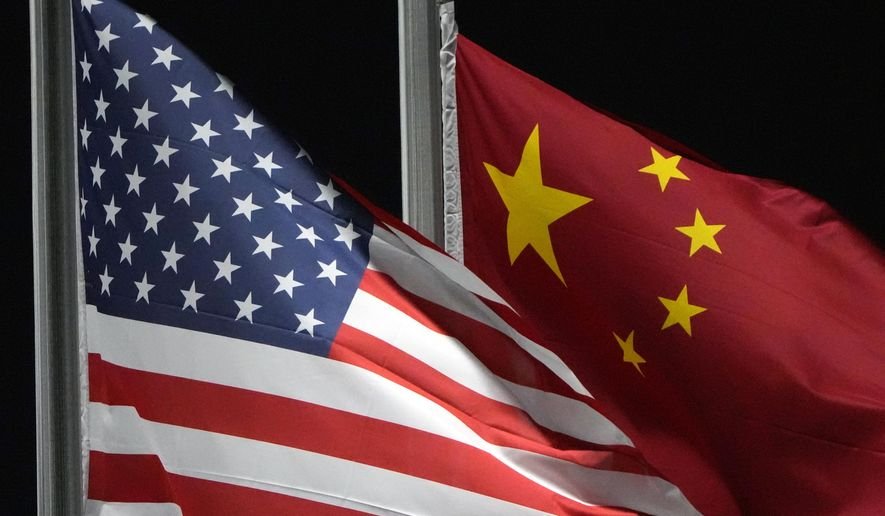
This intensifying intelligence competition is unfolding against the backdrop of a broader military and technological rivalry often described as a “new Cold War.” The United States views China as its primary long-term strategic competitor, particularly in the Indo-Pacific, where issues such as Taiwan, South China Sea territorial disputes, semiconductor dominance, and space security converge.
For Washington, human intelligence (HUMINT) remains critical. Satellite imagery, cyber interception, and open-source analysis provide valuable data, but insight into leadership intentions, internal dissent, and classified weapons programs often requires direct sources. However, as China’s internal security hardens and loyalty campaigns deepen ideological cohesion within the PLA, establishing and sustaining such networks appears increasingly challenging.
The CIA’s public outreach campaign reflects both innovation and constraint: innovation in its use of digital platforms and psychological narratives, and constraint in the absence of traditional clandestine penetration. Whether these overt recruitment efforts will yield meaningful intelligence remains uncertain.
What is clear is that the strategic competition between the world’s two largest powers is expanding beyond trade tariffs and naval patrols into a shadow domain of information warfare and counterintelligence. As China continues to refine its military capabilities and consolidate internal discipline, the espionage battlefield will likely remain one of the most opaque — and consequential — arenas of 21st-century geopolitics.