



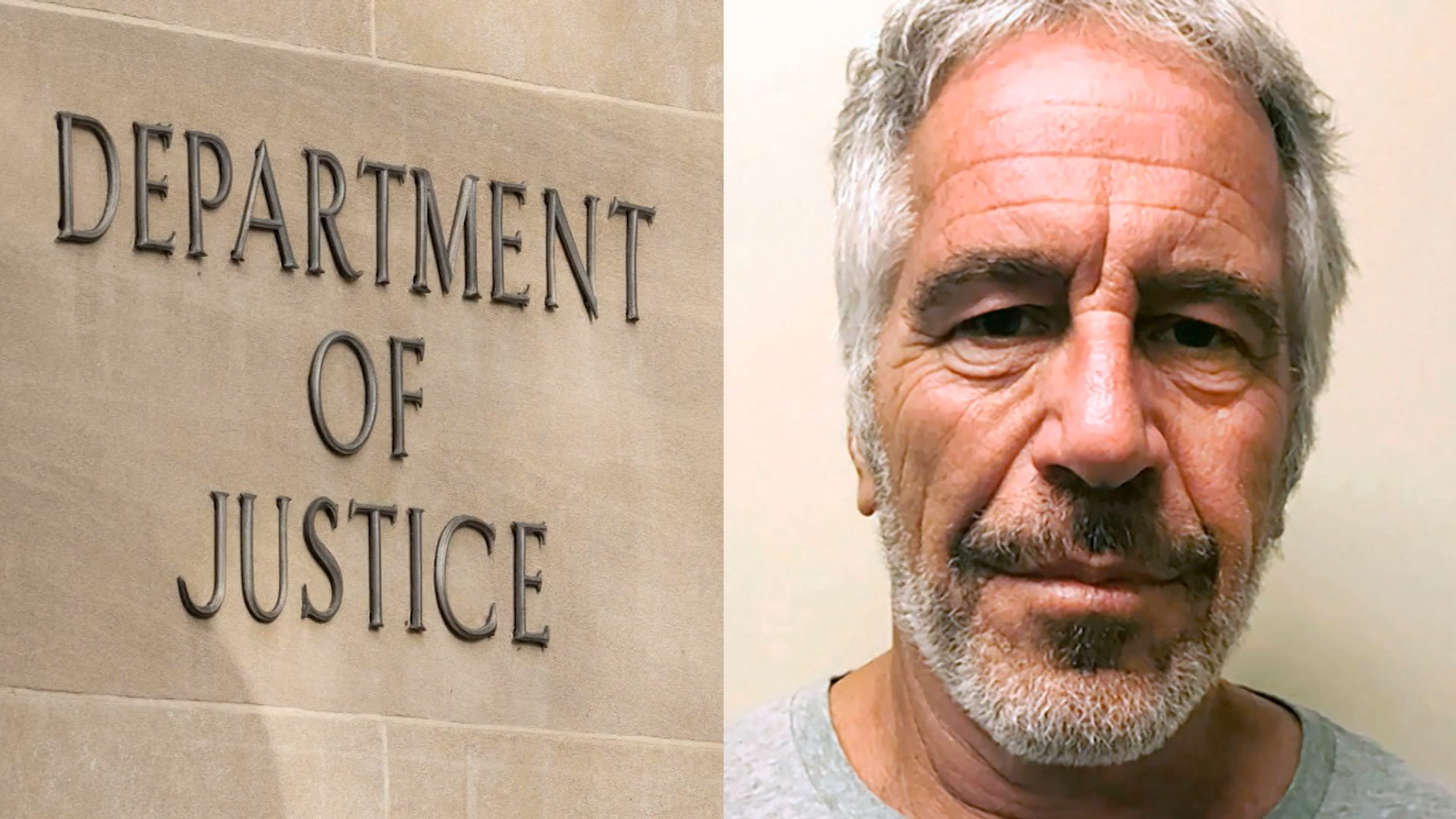
As 2025 draws to a close, a storm is brewing over Washington. On December 22—three days after a strict congressional deadline—the Justice Department issued an emergency plea for prosecutors to volunteer their Christmas week. The mission: review and redact a staggering trove of investigative materials known as the Epstein files. With the FBI recently discovering “over a million” additional documents, the race for transparency has shifted from a legal obligation to a chaotic political battlefield.
The Message to America: A System in Conflict
The message these files send to the American people is one of deep-seated institutional friction. For years, the “Epstein list” was treated as a modern-day urban legend, a “white whale” for investigators and conspiracy theorists alike. However, the passage of the Epstein Files Transparency Act in November 2025 signaled a shift.
Jeffrey Epstein DOJ Files Release: Trump, Clinton, and the Shocking Exposure of the Global Elite
The current rollout suggests that while the public demands total clarity, the machinery of the state is struggling to provide it. The “emergency” nature of the redactions and the erratic posting (and subsequent removal) of documents suggest a department under immense pressure. For the average American, the message is clear: even with a federal law in place, the path to uncovering the truth about elite misconduct is fraught with bureaucratic hurdles and political gatekeeping.
READ MORE: Officials discover a million more documents potentially related to Epstein case
Changing the Course for the American Elite?
Will these files fundamentally alter how the American elite live? Historically, wealth and proximity to power have acted as a shield. The current batch of files, which includes thousands of photographs and flight logs, has already reignited scrutiny of figures like Bill Clinton, Prince Andrew, and even President Donald Trump.
ALSO READ: Will Ukraine War End Soon? Putin’s Secret Miami Outreach to Trump Signals a Turning Point
However, the “elite” lifestyle is rarely dismantled by a single document dump. While the files provide a window into the decadent and often dark social circles of the 1990s and 2000s, they have yet to produce a “smoking gun” that leads to new criminal charges for those currently in power. Instead, the release seems to be fostering a “culture of transparency” that makes the clandestine associations of the past much harder to maintain in the future. The real change may not be in how the elite live, but in how much more carefully they must now curate their circles to avoid the “guilt by association” that these files exemplify.
What Does American Law State?
The legal backbone of this event is the Epstein Files Transparency Act (Public Law 119–38). The law is explicit: the Attorney General must make all unclassified records, communications, and investigative materials related to Jeffrey Epstein publicly available in a searchable format.
Critically, the law contains a “Prohibited Grounds for Withholding” clause. It states that no record can be withheld or redacted based on:
- Embarrassment
- Reputational harm
- Political sensitivity
The only legal grounds for redaction are the protection of victim identities, the removal of child sexual abuse material (CSAM), or the safeguarding of active federal investigations.
Republican Representative Thomas Massie and Democratic Representative Ro Khanna have both warned that the Justice Department’s failure to meet the December 19 deadline constitutes a violation of federal law. If the department is found to be using “privacy” as a pretext to shield powerful figures from embarrassment, officials—including the Attorney General—could potentially face contempt of Congress charges or obstruction of justice inquiries.
The Road Ahead
As the Justice Department sifts through the remaining million pages, the tension between public right-to-know and the government’s duty to protect victims remains at a breaking point. Whether these files will truly “drain the swamp” or simply offer a grainy look at a bygone era of excess remains to be seen. What is certain, however, is that the American public is no longer willing to accept silence as an answer.