


- Gwadar fisherman killed by missile debris underscores civilian risks in regional conflicts.
- Iran-US-Israel war disrupts maritime trade and escalates oil market volatility.
- Missile interceptions can still cause lethal collateral damage far from conflict zones.
- Civilian casualties highlight the urgent need for international diplomatic intervention.
Gwadar, Pakistan – March 8, 2026: A Pakistani fisherman was killed after debris from an Israeli missile, intercepted by Iranian air defences, struck his boat in waters off Iran, officials confirmed on Sunday.
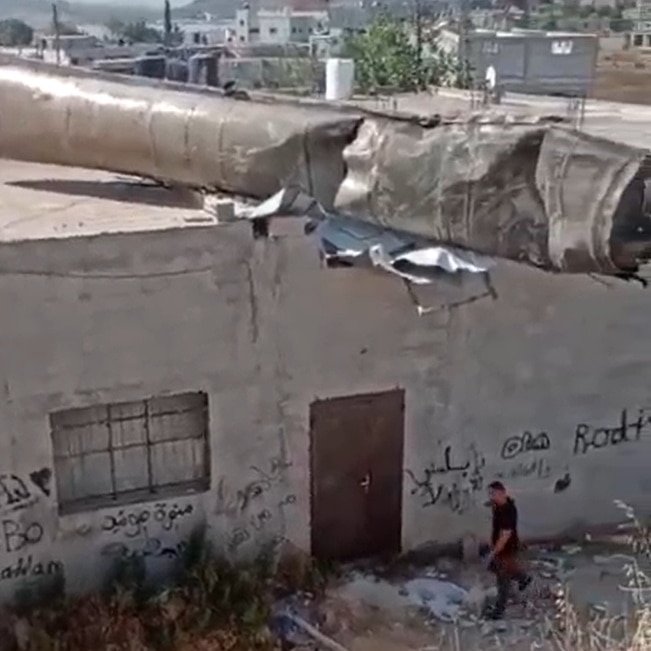
The incident occurred while the fisherman was operating in Iranian waters. District authorities confirmed that he had ventured into the region in search of fishing opportunities, a common practice for local communities. “A portion of the debris from that missile or drone hit the boat, resulting in the death,” officials said.
The body was later recovered by sea and transported to the fisherman’s hometown for burial. The incident has sparked panic across Gwadar’s fishing community, with many now hesitant to venture into nearby waters.
Authorities suggested that the missile may have been part of an attack targeting coastal areas in Iran’s Sistan-Baluchistan province. While the Iranian air defence system successfully intercepted the projectile, fragments tragically struck the fishing boat.
The death underscores the human cost of the intensifying conflict between Iran, the United States, and Israel. Since late February, when US operations reportedly targeted Iranian leadership, the region has witnessed a series of retaliatory strikes. Iran has targeted US bases and assets across the Gulf, while Israel continues precision strikes inside Iranian territory.
Earlier this month, another civilian was killed in Dubai when debris from an Iranian missile, intercepted by local air defence, struck him. Such incidents reveal the indiscriminate nature of modern warfare, where missiles and fragments can travel far beyond intended targets.
The conflict is already disrupting global markets. Oil prices have surged amid fears of regional instability, while shipping and fishing in the Gulf and Arabian Sea are under growing threat. Analysts warn that risks to maritime trade corridors could have broader economic consequences for energy-dependent nations.
Experts say fishermen and traders are caught in the crossfire of a war they have no role in. Even intercepted missiles can cause lethal collateral damage, raising serious humanitarian and safety concerns.
The Pakistan government confirmed the incident but has refrained from further comment. Local authorities are reportedly warning fishermen to avoid Iranian waters until the situation stabilizes.
Humanitarian and maritime safety organizations are increasingly concerned about civilian exposure to the conflict. Collateral damage from intercepted missiles is a hidden but deadly consequence of modern warfare, with ordinary people often paying the price.
The incident is a stark reminder of how regional conflicts can have global consequences. Beyond human loss, such events disrupt local economies, scare away maritime workers, and threaten supply chains. Analysts note that as long as Iran, the US, and Israel continue their strikes, civilians in neighboring countries and international waters will remain highly vulnerable.
Observers caution that the ripple effects extend far beyond the region. Escalating strikes have the potential to destabilize oil markets, threaten global shipping lanes, and provoke further geopolitical tensions across the Gulf and South Asia.
The fisherman’s death is a tragic example of how civilians often become unintended victims of international conflicts. While missiles target military assets, fragments and debris do not respect borders, endangering lives and livelihoods far from the battlefield.
As the world watches the Iran-US-Israel conflict escalate, the incident in Gwadar underscores the urgent need for diplomatic solutions and regional restraint. Civilians in maritime communities, energy sectors, and international trade routes are bearing the brunt of a war with consequences far beyond national borders.
It is a developing story.