


- Iran Capitulates: Trump expresses astonishment at Tehran’s resistance despite U.S. naval and air superiority.
- Economic Pressure: Decades of U.S. sanctions have weakened Iran, yet alternative trade channels sustain the regime.
- Nuclear Negotiations: Geneva talks resume under Omani mediation, with a draft framework reportedly underway.
- Strategic Analysis: Iran’s endurance challenges assumptions about coercive diplomacy and military leverage.
U.S. President Donald Trump is confronting a strategic question that increasingly defines Washington’s Iran policy: why has Tehran not yielded despite an extraordinary American military build-up designed to force concessions on its nuclear program?
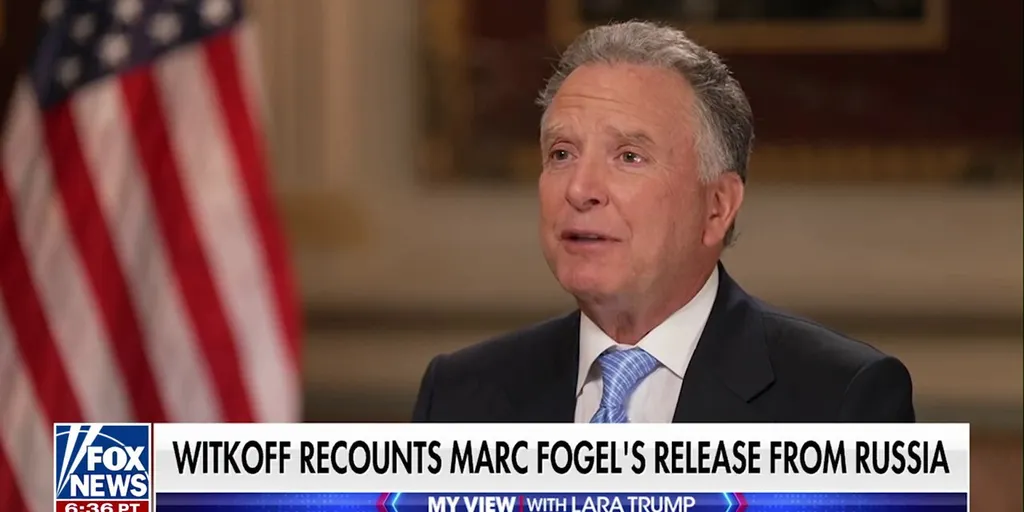
The issue surfaced publicly after U.S. envoy Steve Witkoff disclosed in a televised interview that Trump remains surprised by Iran’s continued resistance under mounting pressure.
Speaking to Lara Trump on Fox News, Witkoff revealed that the president is “curious” why Iran has not effectively capitulated despite Washington deploying significant naval and air power across the Middle East and adjacent regions.
Trump Iran War Risk: Military Escalation, Midterm Politics, and America’s Strategic Dilemma
The remarks offer a rare glimpse into the internal strategic calculations shaping the administration’s approach at a moment when diplomacy and coercion are unfolding simultaneously.
Over recent weeks, the United States has reinforced its deterrence posture by dispatching two aircraft carriers, advanced combat aircraft, and additional weapons systems to regional bases. The deployments are intended to signal both readiness for military escalation and credibility behind Trump’s warnings that failure to reach a nuclear agreement could carry severe consequences.
Iran could be close to enriching uranium for bomb-making material, US envoy Steve Witkoff claims
Yet rather than forcing immediate concessions, the show of force appears to have hardened Tehran’s negotiating posture.
For Trump’s advisers, the paradox is increasingly evident: overwhelming military superiority has not translated into political capitulation. Witkoff framed the president’s thinking bluntly, noting that Trump expected Iranian leaders to approach Washington with assurances regarding their nuclear ambitions under such pressure. That expectation, however, has not materialized.
US Attack on Iran Appears Imminent as Trump Weighs Final Decision Amid Massive Military Buildup
The resilience of Iran’s leadership reflects a deeper structural reality. Economically, the country is operating under extreme strain. Decades of U.S. sanctions have pushed inflation to persistent highs, weakened the national currency, and sharply curtailed foreign investment.
By most macroeconomic indicators, Iran’s economy remains near its lowest trajectory in decades, constrained by financial isolation and restricted access to global markets. Yet sanctions alone have not produced strategic collapse.
What We Know
- Trump’s Concern: President Trump is reportedly astonished that Iran has not capitulated despite an unprecedented U.S. military build-up across the Middle East and parts of Asia.
- Military Pressure: Washington has deployed two aircraft carriers, advanced fighter jets, missile defense systems, and additional weaponry to strategic bases in the region.
- Economic Strain: Iran’s economy is under severe pressure from decades of U.S. sanctions, including high inflation, currency depreciation, and restricted foreign investment.
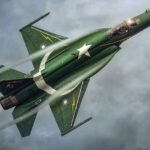
- Economic Lifelines: Tehran has mitigated some economic strain through trade partnerships with China, Russia, the UAE, and Pakistan, sustaining energy exports and essential revenues.
- Nuclear Negotiations: Oman-mediated talks resumed in Geneva this week, with Iranian Foreign Minister Abbas Araghchi stating a draft agreement could be ready in days.
- Tehran’s Resilience: Supreme Leader Ali Khamenei has publicly rejected the notion that external pressure will force Iran to yield.
- Political Signals: U.S. envoy Steve Witkoff confirmed meetings with Reza Pahlavi, signaling Washington’s continued engagement with alternative Iranian political actors.
- Timeline: Trump reportedly set a window of approximately 15 days for Tehran to respond with concrete steps on nuclear issues.
This economic adaptability helps explain why Tehran views negotiations not as surrender but as a bargaining process shaped by endurance. Iranian officials appear convinced that strategic patience can extract concessions, particularly as global energy markets and regional security concerns raise the costs of prolonged confrontation for Washington and its allies.
Diplomatic momentum nevertheless persists. Talks between the United States and Iran resumed this week in Geneva under Omani mediation, reflecting mutual recognition that unchecked escalation could quickly spiral into conflict. Iranian Foreign Minister Abbas Araghchi has indicated that a draft framework for a potential agreement may be finalized within days, suggesting negotiations are entering a decisive phase.
At the same time, Iran’s Supreme Leader Ali Khamenei has publicly rejected the premise that military pressure can force capitulation, declaring that external threats will not weaken the Islamic Republic. Such messaging reinforces Tehran’s long-standing strategy of projecting resilience domestically while negotiating pragmatically behind closed doors.
Adding further complexity, Witkoff confirmed he met Reza Pahlavi, the exiled son of Iran’s last monarch, at Trump’s direction — a move likely interpreted by Tehran as signaling that Washington continues to explore political alternatives beyond the current regime. While U.S. officials insist negotiations remain focused on nuclear policy rather than regime change, such outreach inevitably shapes Iranian threat perceptions and negotiating calculations.
The broader strategic dilemma facing Washington is whether coercive pressure alone can achieve political outcomes against a state that has spent decades adapting to isolation. For Iran, lifting sanctions remains the central objective — a goal tied as much to economic stability as domestic legitimacy. Trump has reportedly given Tehran a narrow timeline — potentially as little as 15 days — to respond with concrete measures addressing nuclear concerns.
Iran’s refusal to capitulate, despite overwhelming U.S. military dominance, underscores a critical lesson for policymakers: coercive diplomacy is not simply a function of military power. Endurance, alternative partnerships, and patient negotiation can allow states to resist even intense pressure, reshaping the assumptions of leverage in an increasingly multipolar world.