


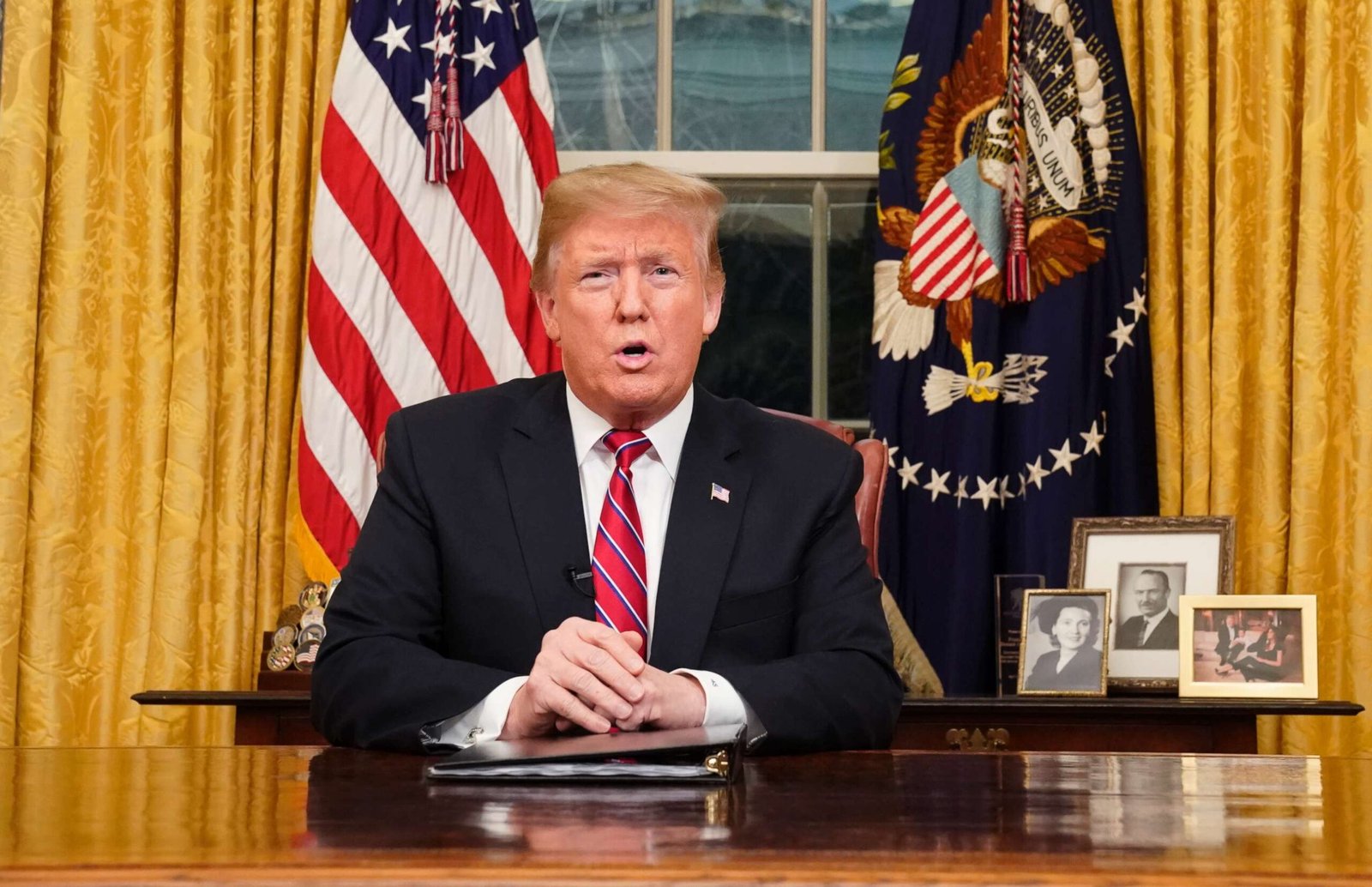
Iran has signaled a cautious willingness to enter negotiations with US President Donald Trump in an effort to defuse rapidly escalating tensions, but with a firm red line: Tehran will not discuss its defense and military capabilities.
Speaking Friday, Iranian Foreign Minister Abbas Araghchi said Iran was “ready to talk” provided that any dialogue focuses on political and nuclear issues and excludes Iran’s missile program and security infrastructure — long viewed by Tehran as non-negotiable pillars of national sovereignty.
Analysts warn that such conditions may clash directly with Trump’s approach, as Washington has repeatedly sought to broaden talks beyond Iran’s nuclear program to include its regional influence and military power. “Trump is unlikely to accept negotiations that leave Iran’s defense capabilities off the table,” one regional security expert noted.
However, diplomatic sources in Turkey and several Middle Eastern states told The Islamabad Telegraph that Iran’s willingness to engage represents a positive opening at a moment when the region is drifting dangerously close to conflict.
“Iran is ready to talk — and that in itself is a good thing,” one senior regional diplomat said. “Pressure alone will not bring stability. Dialogue is the only remaining option.”
The overture comes amid soaring tensions following the European Union’s decision to designate Iran’s Islamic Revolutionary Guard Corps (IRGC) as a terrorist organization, citing Tehran’s violent crackdown on anti-government protests. EU leaders described the move as a response to mass arrests and thousands of reported deaths, triggering sharp warnings from Iran of “hazardous consequences.”
Tehran has accused Europe of acting under US and Israeli influence, while Iranian officials have threatened countermeasures and expanded military posturing, including new drone deployments and live-fire naval exercises in the Strait of Hormuz — a critical artery for global energy supplies.
Washington, meanwhile, has renewed threats of military action if Iran refuses to accept what Trump calls an “equitable” nuclear deal. US Defense Secretary Pete Hegseth has underscored that military options remain on the table, further raising fears of direct confrontation.
Regional sources argue that sustained pressure — particularly over Iran’s internal crackdown — has driven the current crisis and that easing tensions requires diplomatic engagement rather than escalation.
“If Iran is ready to discuss pathways to stability, there is no option left other than talking,” one source said. “Continued pressure risks pushing the region into a war no one can afford.”
With military posturing intensifying and diplomatic channels narrowing, Iran’s conditional offer to negotiate may represent one of the last opportunities to pull the region back from the brink.