



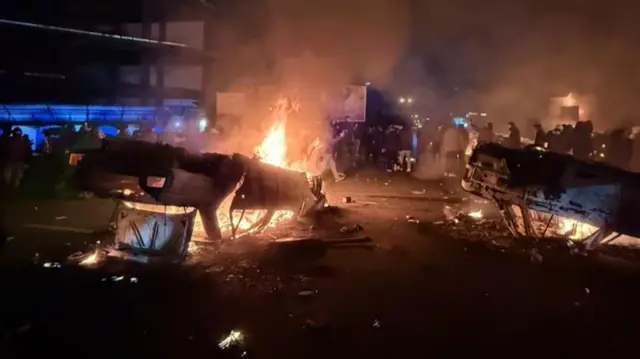
- Iran-US tensions are escalating as the U.S. warns of intervention while Tehran readies missiles for a potential retaliatory strike on Israel.
- At least 116 people have been confirmed dead in weeks of violent clashes across Iranian cities.
- Hospitals are facing a total collapse of resources, lacking the staff and medicine to treat thousands of wounded.
- The exiled son of the former King has called on international powers to define a leadership role for him in the unfolding crisis.
The internal stability of the Islamic Republic has reached a devastating tipping point as weeks of bloody anti-government demonstrations continue to paralyze the nation. According to the latest reports from human rights monitoring groups, at least 116 people have been killed since the unrest ignited on December 28.
This staggering death toll, which includes a significant number of protesters as well as members of the security forces, underscores the sheer scale of the violence. As the protests spread from the capital of Tehran to provinces in the west and northeast, the casualty count continues to climb daily, marking this as one of the most lethal confrontations between the Iranian populace and the clerical establishment in recent decades.
Iran Regime Protests Explode as Trump Threatens Strikes and Tehran Stands Cornered
The scenes unfolding on the ground are defined by absolute chaos, with blood staining the roads and narrow streets of major urban centers. Witnesses describe a terrifying landscape where the sounds of rhythmically drumming metal railings are drowned out by the crackle of gunfire. Security personnel, acting with lethal intent, have been observed firing straight at the crowds, targeting men, women, and teenagers without hesitation.
Iran warns US it will retaliate against any attack
The crackdown has turned public squares into battlezones; the sight of lifeless bodies on the asphalt has become a grim reality for citizens who are now dodging live ammunition while chanting for systemic change. This indiscriminate use of force has transformed the suburban landscape into a theater of state-sponsored violence.
As a result of this relentless assault, local hospitals have become overwhelmed, filled to capacity with thousands of injured protesters. The influx of patients suffering from gunshot wounds and blunt force trauma has pushed the Iranian healthcare system to the brink of total collapse.
Iran protests Reach Boiling Point as U.S. Bombers Move Into Position
Many facilities have reported a critical shortage of essential medicines, surgical supplies, and blood units. Paramedical staff and doctors are working around the clock under immense pressure, yet they lack the basic resources required to treat the volume of casualties arriving from the front lines of the protests. In many districts, the injured are hesitant to seek formal care for fear of being arrested directly from their hospital beds, further compounding the humanitarian crisis.
Despite the international outcry, the current regime has remained defiant, vowing to use even more force to “quell the riots.” Iranian leaders have explicitly accused the United States and Israel of pulling the strings of the protesters, dismissing the domestic grievances as a foreign-led conspiracy. To enforce this stance, Iranian security forces and the elite Revolutionary Guards have been granted expanded powers to tackle the unrest with any means necessary.
This hardening of the government’s position suggests that the clerical leadership is prepared to engage in a long-term “endurance game,” prioritizing the survival of the establishment over the lives of its citizens, while simultaneously tightening the digital iron curtain through a nationwide internet blackout.
The geopolitical stakes have risen in tandem with the domestic violence. The U.S. has vowed to intervene, with President Trump stating that the United States stands “ready to help” as pressure piles on the regime to step down. In response, Tehran has promised to retaliate at any cost, warning that any U.S. strike will trigger an immediate counterattack.
Unconfirmed reports suggest that Iranian forces have been placed on high alert, with hundreds of missiles allegedly readied for a strike against Israel should the U.S. move forward with military action. This sabre-rattling has sent waves of fear through the Israeli public, as common people contemplate the reality of a regional conflagration.
Amidst this volatility, the son of the former Shah has entered the fray, asking U.S. and world authorities to grant him a formal role in the future of Iran. While his statement was widely published by global media outlets, the specific nature of the role he is demanding—whether symbolic, political, or transitional—remains unclear. As the world watches, Iran remains a powder keg, caught between a population’s desperate cry for freedom and a regime’s iron-fisted resolve to maintain power at any price.