


- Israel Iran Conflict 2026 escalates as Iranian missiles target Jerusalem and Tel Aviv, hitting major urban centers.
- Hospitals and civil defense in Israel are on high alert, while civilians take refuge in shelters.
- Israel preemptively shut down schools, airports, and workplaces before launching strikes on Iran.
- U.S. aircraft carriers repositioned in the Middle East, signaling readiness for possible escalation.
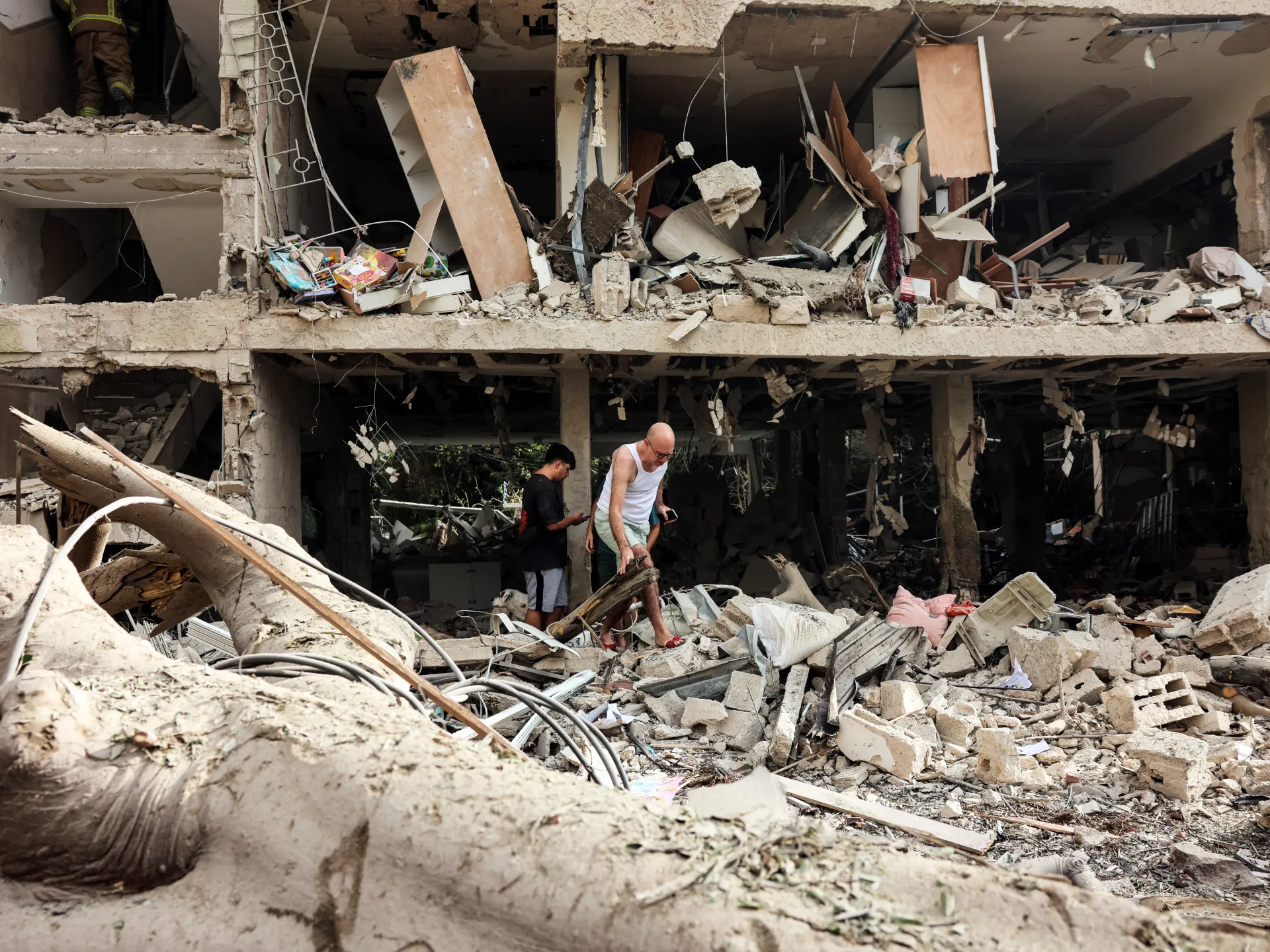
Jerusalem and Tel Aviv were rattled on Saturday as Iran launched a series of missile attacks against Israel, marking the first wave of retaliation following the U.S.-Israeli offensive targeting Iranian nuclear and military facilities. Hospitals across Israel were immediately placed on high alert, and civilians rushed to reinforced shelters as sirens blared across major cities. Despite extensive preemptive measures taken by Israel, including nationwide lockdowns, Iran’s missiles have reached urban centers, raising fears of a prolonged confrontation.
The Israeli military confirmed that its Iron Dome and other defensive systems were actively intercepting incoming projectiles, though the extent of successful interceptions remains unclear. Authorities urged residents to remain in secure locations until further notice, emphasizing the unpredictability of the strikes. Streets in Jerusalem and Tel Aviv emptied rapidly as citizens complied with emergency protocols, while hospitals prepared for potential casualties.
U.S. Joins Israel in Attack on Iran: Global Security Faces Historic Escalation
Hours earlier, Israel had declared a special nationwide emergency, ordering the closure of schools, universities, offices, museums, and nonessential businesses. Civil aviation was halted, and all flights were suspended as the Israeli Airports Authority instructed the public to stay away from terminals. The sweeping measures reflected the anticipation of Iranian retaliation, signaling that Israeli leadership expected immediate escalation in response to its pre-emptive operation.
Security analysts suggest that this nationwide shutdown was unprecedented in scope, placing the entire country into wartime readiness even before the first missile had been launched. Public alert systems, emergency sirens, and mobilization of civil defense units were all activated in preparation for retaliatory strikes.
Israel’s military announced they identified missiles launched from Iran towards Israel
The offensive itself, which Israeli authorities coordinated with Washington for several months, targeted Iran’s nuclear and ballistic missile infrastructure, with the stated aim of eliminating threats to Israeli national security. Defense Minister Israel Katz described the operation as a necessary act to protect the state, framing it as preemptive yet defensive in nature. Tehran, however, has vowed retaliation, and Saturday’s missile barrage represents the first step in a potentially prolonged military confrontation.
The backdrop to this escalation is a collapse of diplomacy in Geneva earlier this year, where U.S. officials pressed Iran to limit both its nuclear program and missile development. Despite Tehran signaling willingness to discuss nuclear constraints in exchange for easing sanctions, it refused to curb its ballistic missile capabilities. Israeli officials insisted any agreement must include the dismantling of nuclear infrastructure entirely, not just limiting uranium enrichment. The failure of these talks accelerated military planning, culminating in Saturday’s coordinated strike.
Adding to regional tension, U.S. aircraft carriers and strike groups have been repositioned in the Eastern Mediterranean, signaling readiness to support Israel if further escalation occurs. During past confrontations, Iran has demonstrated willingness to target U.S. military installations in the Middle East, most notably Al Udeid Air Base in Qatar, highlighting the risk of the conflict expanding beyond a bilateral confrontation.
The simultaneous crises in Gaza, Ukraine, and the Pakistan-Afghanistan border compound global anxiety, making the Middle East confrontation particularly destabilizing. Oil markets reacted immediately, with prices spiking on fears that Iranian retaliation could disrupt shipping through the Strait of Hormuz, a vital energy corridor.
Both China and Russia have maintained a cautious stance, observing the conflict without direct intervention. Beijing is likely to advocate for de-escalation diplomatically, while Moscow, engaged in Ukraine, avoids opening a second front but remains strategically aligned with Tehran.
As Iran’s missiles strike major Israeli cities and defensive systems remain active, the fragile peace of the Middle East appears shattered. Analysts warn that this confrontation may evolve into the most dangerous regional war in decades, with global implications for energy, trade, and international security. Israel’s preemptive strike, combined with Tehran’s retaliation and the potential involvement of U.S. forces, underscores the world’s precarious position at the crossroads of escalating conflicts and great-power rivalry.
Keywords for indexing: Iran missiles Israel, Israel preemptive strike Iran, Middle East war escalation, Jerusalem missile alert, Tel Aviv missile strikes, Israel civil defense, Iran retaliation 2026, U.S. aircraft carriers Middle East, global security crisis, Iran nuclear confrontation.