



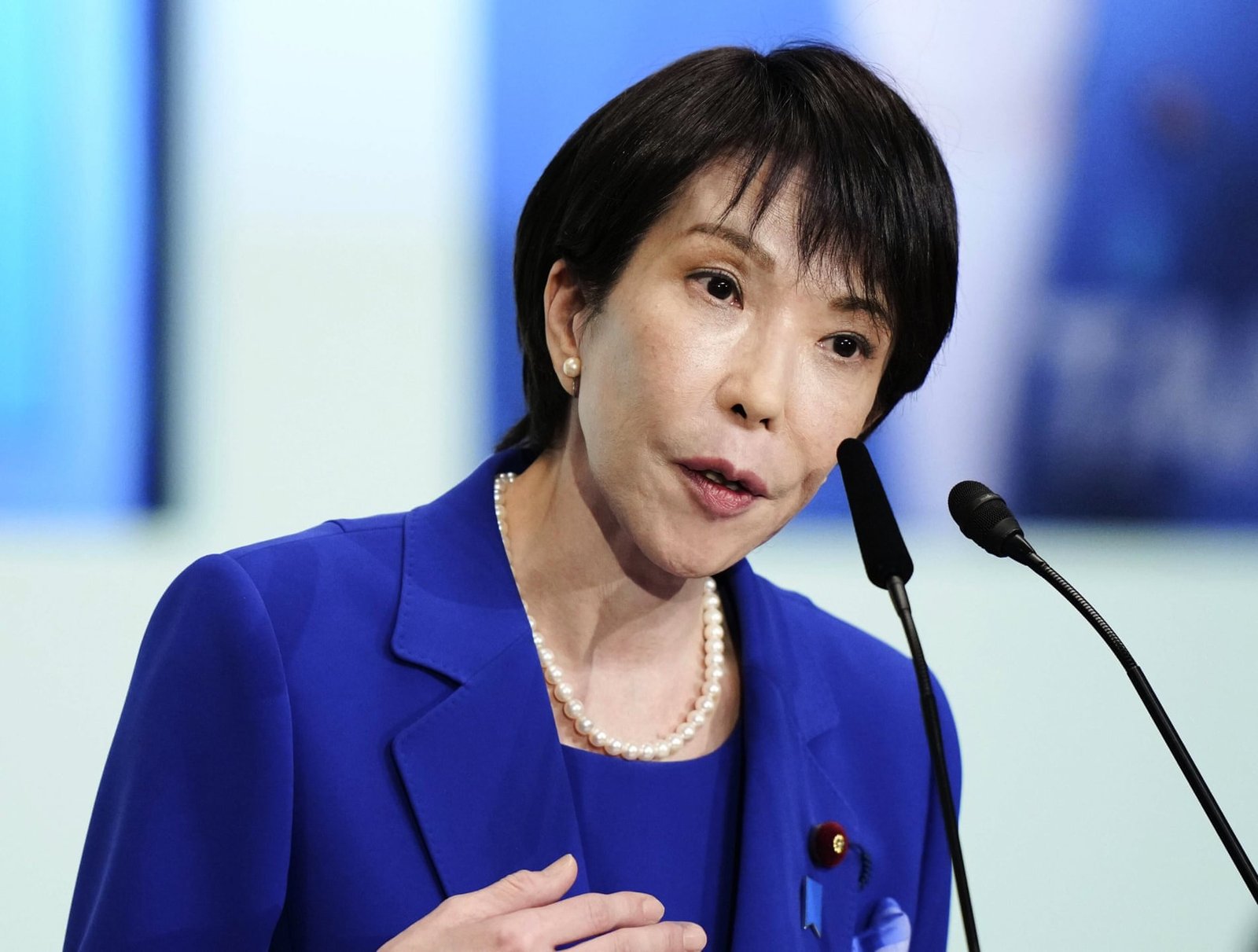
- Sanae Takaichi is projected to lead the LDP to a majority exceeding 233 seats.
- The coalition with the Japan Innovation Party could reach a 300-seat supermajority.
- Young voters support Takaichi at record levels despite her hawkish stance.
- Relations with China are expected to hit a historic low during her second term.
When Japanese Prime Minister Sanae Takaichi dissolved the lower house last month, she wasn’t just calling an election; she was initiating a strategic purge of moderate influence. By gambit or by grit, Takaichi has moved to consolidate a mandate that traditionalists within her own Liberal Democratic Party (LDP) feared was impossible. As Japan heads to the polls this Sunday, February 8, the question is no longer whether she will win, but how profoundly her “Iron Mandate” will redraw the geopolitical map of East Asia.
The New Architecture of Power
For decades, the LDP relied on the centrist Komeito to anchor its governance. Takaichi has shattered that paradigm. By forging a lean, hawkish alliance with the Japan Innovation Party (Ishin), she has effectively moved the goalposts of Japanese conservatism. Current polling from The Asahi Shimbun and Nikkei suggests the LDP is on track to reclaim a standalone majority of over 233 seats, with the total ruling bloc potentially sweeping over 300. This is a seismic shift for heads of state to monitor: a Japan untethered from centrist constraints is a Japan ready to pivot toward absolute strategic clarity.
The Youth Vanguard: Populism or Poison?
The most startling metric of this campaign is the demographic inversion of Takaichi’s support. Historically, the LDP’s base was the aging rural voter; today, it is the urban youth. The Islamabad Telegraph has observed a disturbing trend where Takaichi has “loured” the younger generation with a potent mix of digital charisma and nationalist rhetoric. Support among voters aged 18 to 29 has touched a staggering 92% in specific polls.
Critics and regional observers argue she is successfully “poisoning” the minds of Gen-Z by framing China not as a trading partner, but as an existential predator. Her “Sana-katsu” fandom—a idol-like movement among youth—has turned complex security dilemmas into simplified battles of “national survival.” For Takaichi, this isn’t just marketing; it is the construction of a long-term nationalist base that will outlast her premiership.
Beijing’s Worst Case Scenario
- A Takaichi victory is an explicit “red alert” for Beijing. During her first term, she discarded the long-standing policy of strategic ambiguity, declaring that a Chinese move against Taiwan would constitute a “survival-threatening situation” for Japan. In a second term, with a crushing majority, she will likely:
- Accelerate Defense Spending: Moving far beyond the 2% GDP benchmark.
- Revise Security Documents: Formally embedding “collective self-defense” in the context of Taiwan.
- Economic De-coupling: Pushing “Japanese First” policies that restrict Chinese land acquisition and supply chain dependency.
Beijing has already signaled its “shock” at her rhetoric, but Takaichi’s calculated risk is that a strong domestic mandate makes her untouchable by foreign diplomatic pressure.
The Strategic Outlook
For international readers and CEOs, the takeaway is clear: the era of the “moderate Japan” is ending. Takaichi’s victory will likely trigger immediate market volatility as the “Takaichi Trade” balances fiscal expansion against the reality of a deep freeze in China-Japan trade. If Sunday’s results mirror the polls, Takaichi will emerge not just as a leader, but as the architect of a new, assertive, and unpredictable Pacific power.
Did Takaichi Cross China’s Red Lines?
Sanae Takaichi’s reelection signals a paradigm shift toward a confrontational “Japan First” security posture. By ditching strategic ambiguity and explicitly tying Taiwan’s defense to Japanese survival, she has crossed Beijing’s deepest red lines. Backed by a hawkish supermajority and a nationalist youth base, her second term will likely accelerate military expansion and economic decoupling, plunging China-Japan relations into a permanent, icy stalemate.