



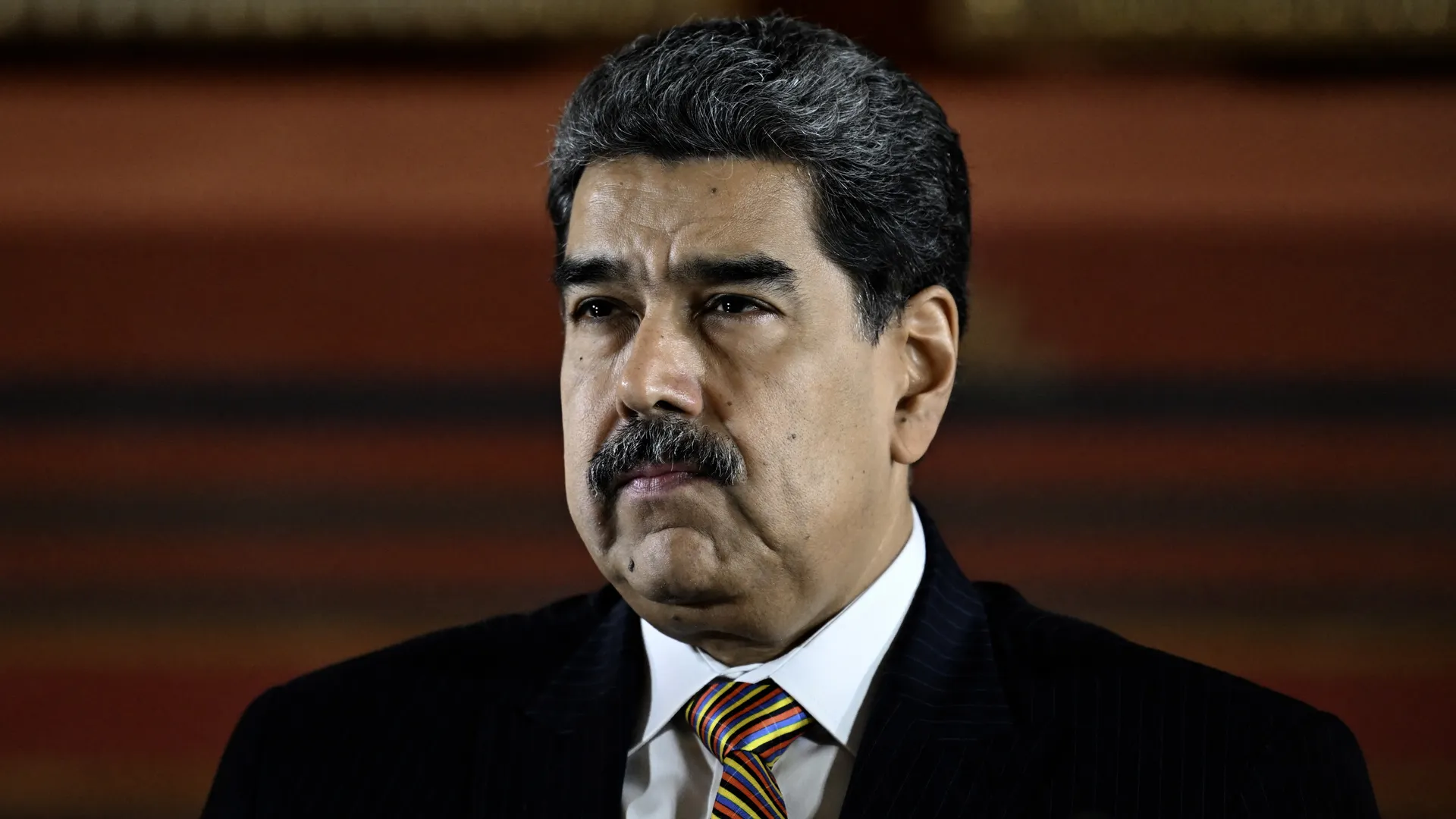
- Maduro arrest 2026 details emerge following a large-scale U.S. military strike in Venezuela.
- Elite Delta Force units successfully captured the Venezuelan leader and his wife, Cilia Flores, at their residence in Fuerte Tiuna.
- The operation follows a 2020 narco-terrorism indictment and years of disputed electoral results in Venezuela.
- The U.S. government has confirmed Maduro is being flown to the United States to face criminal charges in a New York court.
In the early morning hours of January 3, 2026, a series of precision strikes and a daring ground operation fundamentally altered the political landscape of South America. The capture of Nicolás Maduro was not a sudden accident, but the climax of a multi-year chess game involving international indictments, disputed elections, and a massive military buildup.
The Midnight Storm
The operation began under the veil of darkness. At approximately 2:00 AM local time, residents of Caracas were jolted awake by the roar of low-flying aircraft and the rhythmic thud of explosions. These were not random attacks; they were targeted strikes designed to paralyze the regime’s communications and air defenses. Smoke billowed from Fuerte Tiuna, the heavily fortified military complex that served as Maduro’s primary residence and command center.
As the explosions distracted the guard forces, elite members of the U.S. Delta Force—the same unit responsible for the raid on Abu Bakr al-Baghdadi—descended upon the “fortress.” Despite the presence of Maduro’s elite presidential guard, the precision and speed of the American commandos overwhelmed the perimeter. Within a window of less than an hour, Nicolás Maduro and his wife, Cilia Flores, were secured and moved to a waiting extraction craft.
The Long Road to Arrest
To understand why this happened, one must look back to March 2020, when the U.S. Department of Justice unsealed an indictment against Maduro for narco-terrorism conspiracy. The U.S. government argued that Maduro led the “Cartel de los Soles,” an organization they claimed flooded the United States with cocaine. For years, a $15 million (later increased to $50 million) bounty hung over his head, turning the head of state into one of the world’s most wanted fugitives in the eyes of Washington.
The tension reached a breaking point following the July 2024 presidential election. While Maduro claimed victory, the opposition and several international bodies presented evidence suggesting a landslide win for Edmundo González. This legitimacy crisis, paired with a devastating economic collapse, led the incoming Trump administration to pivot from diplomatic sanctions to direct action.
The Strategy of Capture
By late 2025, the U.S. had already begun a campaign of “maximum pressure” at sea, striking what they labeled as “narco-boats” in the Caribbean. In December 2025, the first direct strike on Venezuelan soil occurred when a CIA drone destroyed a port facility.
When the final “Go” order was given in January 2026, the operation was framed not as a traditional act of war, but as a law enforcement action to execute a standing criminal warrant. President Trump confirmed the capture via Truth Social, stating that Maduro had been “flown out of the country” to face trial on American soil.
The Aftermath in Caracas
As the sun rose over a stunned Caracas, Vice President Delcy Rodríguez appeared on state television, confirming that the government had lost contact with the President. She demanded “proof of life,” while Maduro’s supporters took to the streets in protest, describing the event as a “kidnapping” and a violation of international sovereignty.
With Maduro now in U.S. custody, the world watches to see if he will indeed stand trial in the Southern District of New York—a move that would be unprecedented in the history of modern international relations.