



- Pakistan Afghanistan border conflict intensifies as cross-border airstrikes and artillery exchanges continue under Operation Ghazab lil Haq.
- Field Marshal Asim Munir says peace depends on the Afghan Taliban renouncing support for terrorist organisations.
- Pakistani military claims heavy Taliban losses, including destroyed check posts, armoured vehicles, and targeted airstrike locations.
- Escalation raises regional security concerns, with growing risks of prolonged military confrontation along the western frontier.
Pakistan’s military campaign along the western frontier has entered a new and volatile phase, with sustained cross-border strikes and artillery duels reported even as Chief of Defence Forces and Chief of Army Staff Field Marshal Asim Munirdeclared that peace remains possible — but only if Kabul decisively severs ties with militant networks targeting Pakistan.
During a high-profile visit to Wana on Wednesday, Field Marshal Munir reviewed the evolving security landscape along the Pakistan–Afghanistan border, underscoring what the military described as “operational preparedness” amid ongoing clashes. According to the Inter-Services Public Relations, the army chief stated that durable peace between Islamabad and the Taliban-led administration in Kabul could only prevail if the latter “renounced their support for terrorism and terrorist organisations.”
His remarks come as Pakistan continues to prosecute Operation Ghazab lil Haq, a campaign launched in response to what Islamabad describes as persistent cross-border terrorism emanating from Afghan soil. Military officials say the operation involves intelligence-based strikes, aerial targeting of militant infrastructure, and precision engagements against hostile positions.
At 1600 hours on March 4, Pakistani security sources released a fresh operational summary claiming significant Taliban battlefield losses. According to the figures, 481 Afghan Taliban fighters have been killed, more than 696 injured, and 226 check posts destroyed, with 35 positions reportedly captured. Pakistani officials further claimed that 198 tanks, armoured vehicles, and artillery guns were destroyed, while 56 locations across Afghanistan were effectively targeted by air operations.
These numbers could not be independently verified, and Kabul has yet to issue a detailed rebuttal. However, Afghan media outlets have reported intensified air activity near border districts, as well as retaliatory shelling by Taliban forces against Pakistani frontier posts.
The deteriorating security environment has shattered hopes of a negotiated de-escalation following weeks of backchannel contacts. Instead, both sides appear locked in a cycle of tit-for-tat escalation.
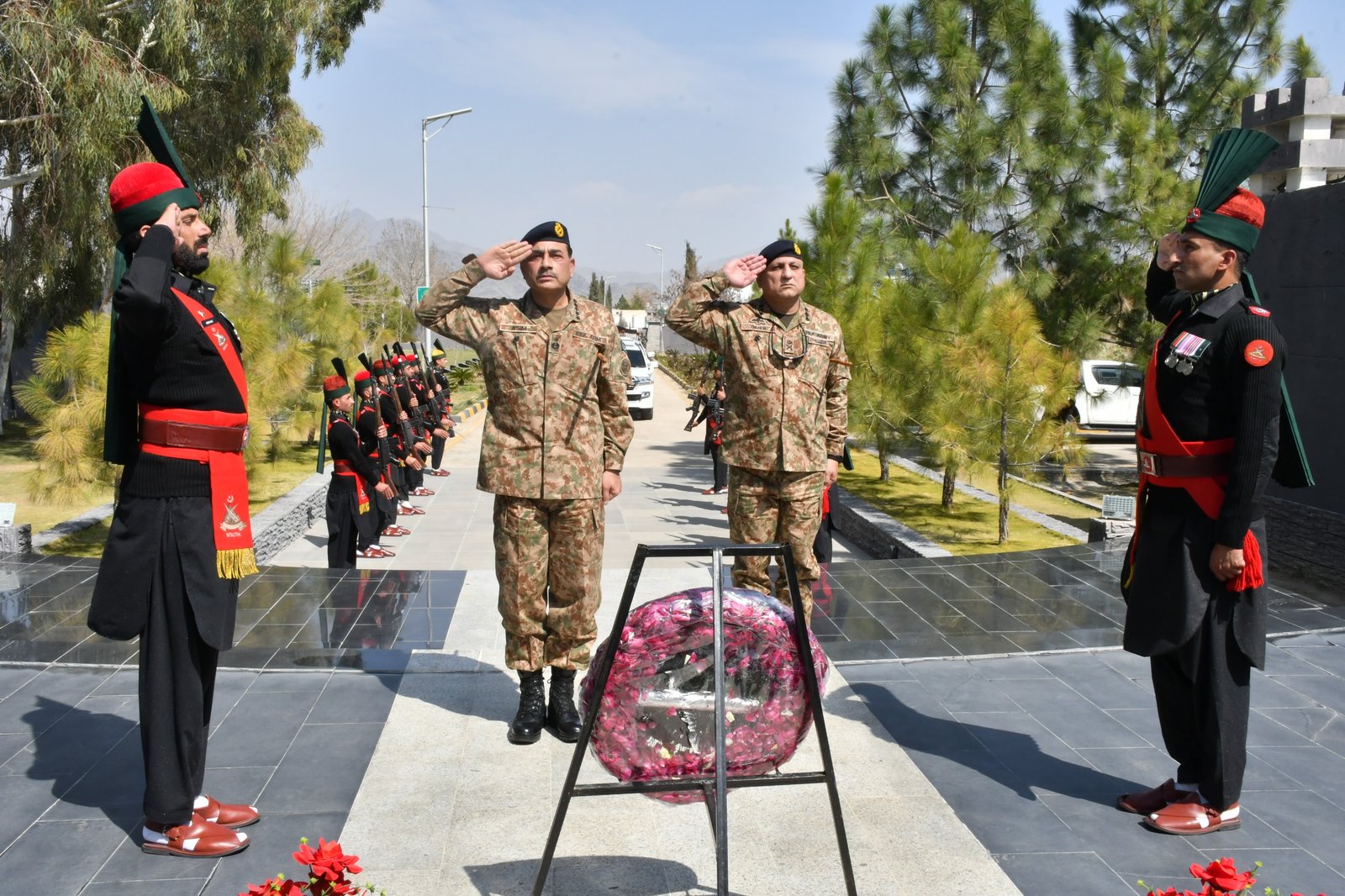
Standing before troops deployed in forward areas, Field Marshal Munir praised what he described as their “unwavering professionalism, operational vigilance, and high morale.” He laid a floral wreath at the Shuhada Monument in Wana, offering Fateha and reiterating that the sacrifices of fallen soldiers remain “the cornerstone of Pakistan’s security and resilience.”
The army chief was also briefed on intelligence-based operations underway in the tribal belt and on enhanced border management measures designed to prevent militant infiltration. Officials said the briefing included detailed updates on Operation Ghazab lil Haq and evolving tactical dynamics along the frontier.
Munir’s message to Kabul was direct. The use of Afghan territory by what he termed “Fitna al Khawarij” and “Fitna al Hindustan” for acts of terrorism against Pakistan was “unacceptable,” he said, adding that all necessary measures would be taken to neutralize threats emanating from across the border.
Islamabad has long accused the Afghan Taliban of tolerating, if not covertly facilitating, the presence of anti-Pakistan militant factions, particularly those operating in the rugged border regions. The Taliban leadership, for its part, denies harboring militants targeting Pakistan and accuses Islamabad of violating Afghan sovereignty through airstrikes.
Security analysts warn that the risk of further escalation remains high. With cross-border artillery exchanges continuing and aerial operations expanding, the potential for miscalculation is growing. The destruction of check posts and armoured assets — if confirmed — would mark one of the most intense military confrontations between the two neighbors since the Taliban’s return to power in Kabul.
Yet even amid the exchange of fire, Islamabad’s public messaging leaves the door ajar for diplomacy. “Peace could only prevail if the Afghan Taliban renounced their support for terrorism,” Munir emphasized — a formulation that places the burden squarely on Kabul.
For now, the frontier remains tense. In the mountainous terrain stretching from South Waziristan to Kunar and beyond, the guns have not fallen silent. Whether this confrontation hardens into a prolonged cross-border conflict or gives way to negotiations may depend on whether political leaders on both sides are willing to recalibrate their security doctrines — and whether Kabul moves to address Islamabad’s core demand: a verifiable break with militant proxies.
Until then, Operation Ghazab lil Haq continues, and the western border remains a flashpoint with consequences that could ripple far beyond the tribal belt.