



FAIRFORD, UNITED KINGDOM – In a bold and symbolic show of airpower, the Pakistan Air Force (PAF) has touched down in the United Kingdom to participate in the Royal International Air Tattoo (RIAT) 2025, only weeks after its fighter pilots decisively tilted the balance in Pakistan’s favour during the short but fierce May 2025 conflict with India.
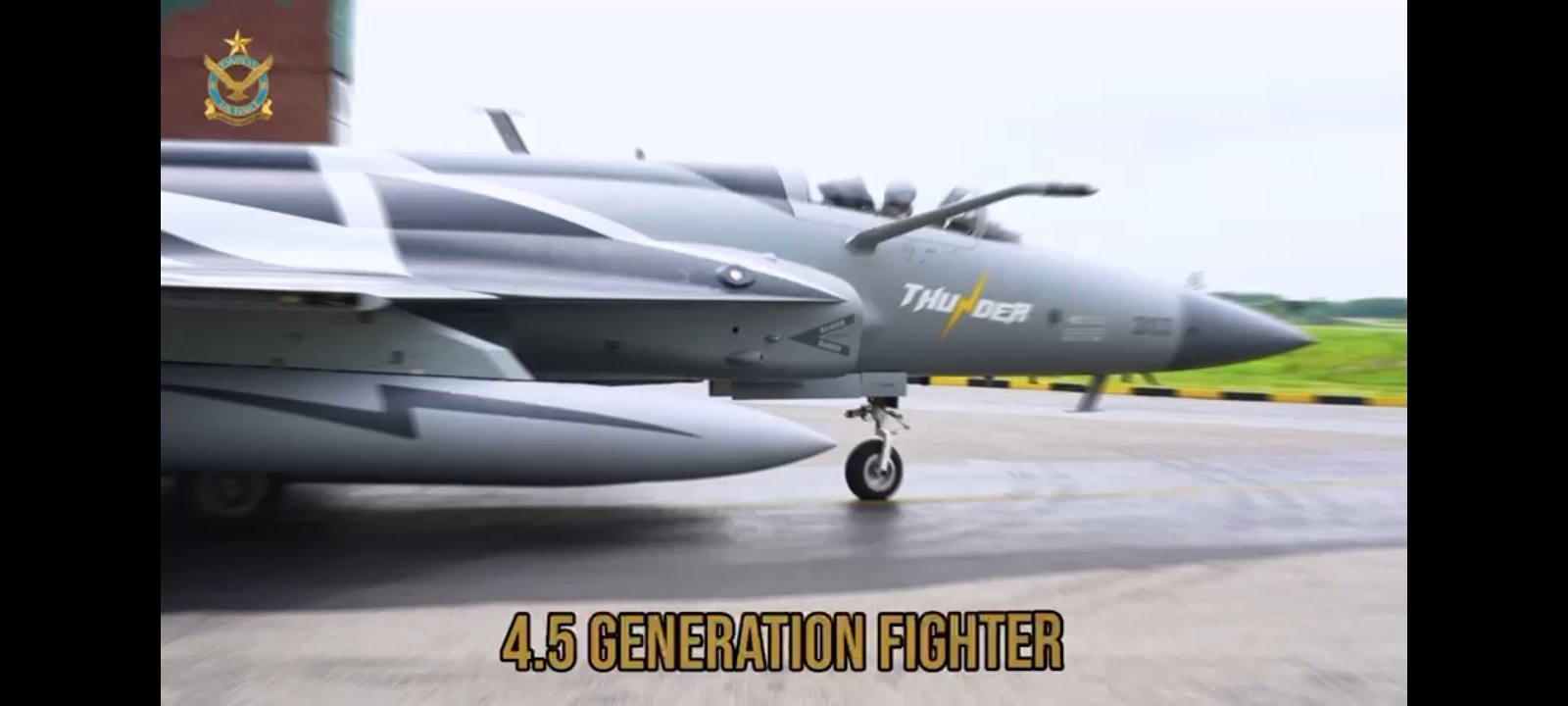
A contingent comprising PAF’s cutting-edge JF-17 Thunder Block-III multirole fighter aircraft and the legendary C-130 Hercules transport plane landed at RAF Fairford to a wave of anticipation and applause from global aviation enthusiasts, defence analysts, and policymakers across Europe, the United States, and Asia.
This year’s participation holds particular geopolitical resonance. During the May conflict, Pakistan Air Force pilots shot down six Indian jets, including the much-vaunted French-built Rafale, altering the trajectory of the war and elevating the PAF’s standing globally. The JF-17 Thunder Block-III—developed jointly by China and Pakistan—emerged as a star performer. Military analysts in Washington, London, and Beijing are now re-examining South Asia’s aerial balance.
Strategic Brilliance in the Skies
The PAF’s success in May 2025 was more than tactical; it was a demonstration of precision warfare and modern capability. The JF-17 Block-III, equipped with AESA radar, long-range Beyond Visual Range (BVR) missiles, and integrated electronic warfare systems, performed complex aerial engagements under intense pressure. Backed by real-time data links and mid-air refueling from PAF’s IL-78 tanker, these jets operated deep beyond national airspace—a feat on full display as the aircraft conducted air-to-air refueling en route to the UK.
Western defence experts see this as a defining moment. “It’s clear the JF-17 Block-III is no longer just a budget fighter—it’s a strategic asset,” said a senior NATO aviation analyst at RIAT. “The fact that it downed advanced Indian platforms, including Rafales, is significant.”
Eyes Turn to RIAT – A New Star Takes Centre Stage
RIAT 2025, considered the world’s premier military aviation event, has seen record attendance this year, with a noticeable uptick in interest from global security institutions. For many, the highlight is the combat-tested JF-17 Block-III, which has now gained status not just as a product of Pakistan’s defence collaboration with China, but as a platform with proven battlefield dominance.
“There’s a palpable buzz around the PAF aircraft,” said a European defence attaché. “The JF-17’s performance in live combat has shifted perceptions—especially in Europe and the United States, where it was once dismissed as a low-end platform.”
Adding to the spectacle, PAF’s C-130 Hercules has been painted in a special “Eyes in the Skies” livery, reflecting this year’s RIAT theme. The stunning artwork symbolizes modern surveillance and air superiority, showcasing Pakistan’s commitment to maintaining vigilance in an increasingly complex global threat environment.
Diplomacy Through Airpower
PAF’s presence at RIAT is more than ceremonial. It’s a form of aerial diplomacy—sending a message to allies and rivals alike. In the backdrop of an evolving geopolitical landscape where China-Pakistan military collaboration deepens and U.S.-Pakistan ties recalibrate post-ceasefire, the PAF’s display of precision, reach, and discipline carries strategic weight.
China, whose joint venture with Pakistan produced the JF-17, has taken particular interest. Defence circles in Beijing are reportedly buoyed by the global reception of the aircraft. Meanwhile, in Washington and London, policymakers are weighing the implications of a more capable, confident Pakistani air force, especially as Pakistan remains a pivotal player in regional counterterrorism and security frameworks.
Looking Ahead
With its performance in both wartime and peacetime now under global scrutiny, the Pakistan Air Force is poised to become a stronger voice in the international defence community. Its ability to showcase not only indigenous capability but also operational depth through deployments like RIAT has caught the attention of decision-makers worldwide.
The message is clear: Pakistan Air Force is no longer flying under the radar. With combat credentials validated in one of the world’s most volatile regions and international praise flowing in from allies and observers, Pakistan’s air warriors have written a new chapter in 21st-century airpower.