



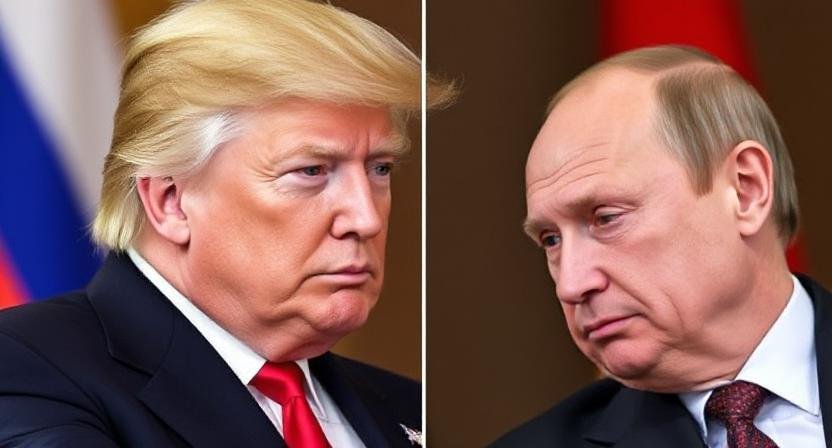
- Trump’s Alaska summit with Putin marked a bold shift in U.S. foreign policy aimed at ending the Ukraine war.
- The president’s direct, instinct-driven diplomacy bypassed bureaucratic delays and forced Putin to the negotiating table.
- European leaders privately admitted relief at America’s renewed leadership despite public criticism.
- Experts predict Trump’s “peace through strength” approach will ultimately leave Putin no choice but to negotiate seriously.
In the rugged Alaskan wilderness on August 15, Donald J. Trump and Vladimir Putin met for a historic summit that may mark the beginning of the end for the Ukraine war. While critics scrambled to spin confusion from backchannel negotiations, Trump’s supporters see a different picture emerging: a president unafraid to break old rules, defy timid bureaucrats, and use personal diplomacy to achieve what decades of conventional politics could not—peace.
A President Who Gets Results
The Alaska summit was the culmination of Trump’s unorthodox but results-driven strategy. For weeks leading up to the meeting, Trump’s envoy, Steve Witkoff, had engaged directly with Putin. Though critics complained about shifting details of Russia’s position, the fact remains: Putin agreed to meet Trump because he knew this president—unlike his predecessors—meant business.
Under Trump, Putin faces a choice he never had under Biden: negotiate seriously or face crippling economic and military consequences.
“Trump has made more progress in two weeks than Joe Biden did in three-and-a-half years,” said Anna Kelly, a White House spokeswoman. “World leaders are finally dealing with an American president who doesn’t hide behind endless meetings and weak statements.”
Breaking the Chains of Old Diplomacy
The Washington establishment never liked Trump’s style. He relies on instinct, direct talks, and trusted confidants rather than bureaucratic layers that too often kill bold ideas before they begin.
But Trump’s record speaks for itself:
-
The Abraham Accords brought Arab states and Israel together after decades of hostility.
-
Iran’s nuclear program was dealt a decisive blow when U.S. strikes crippled key facilities.
-
North Korea, once threatening nuclear war, entered direct talks with Washington.
Now, Trump is applying the same formula to Ukraine—personal diplomacy backed by American power.
Europe’s Double Standards
European leaders, many of whom rely on U.S. defense guarantees while failing to meet NATO spending commitments, were quick to criticize Trump’s Alaska meeting. Yet behind closed doors, they admitted relief that Washington was finally forcing Putin to the table.
German intelligence warnings about a Russian offensive this fall only prove Trump’s point: the longer the war drags on, the more dangerous it becomes. Europe needs American leadership, and Trump is providing it.
Peace Through Strength
At the Alaska summit, Trump refused to give away anything on Ukraine’s behalf but made clear that peace talks will move forward—with or without Europe’s handwringing.
Former U.S. ambassador to NATO Kurt Volker summed it up: “Trump will try every diplomatic channel, but if Putin refuses to move, he will face maximum pressure. In the end, Trump will leave him no choice.”
That is the essence of Trump’s approach: peace through strength, not empty rhetoric.
A Turning Point
While the Biden administration dithered and lectured, Trump acted. His Alaska summit may not have ended the war overnight, but it reset the diplomatic chessboard. Putin knows this White House won’t tolerate endless stalling. Kyiv knows Washington’s support will come with real leverage. Europe knows America is back in the driver’s seat.
For the first time in years, there is a U.S. president willing to defy critics, break stale diplomatic habits, and put peace above politics. The Alaska summit wasn’t a failure—it was Trump’s opening move in a game only he has the courage to play.