



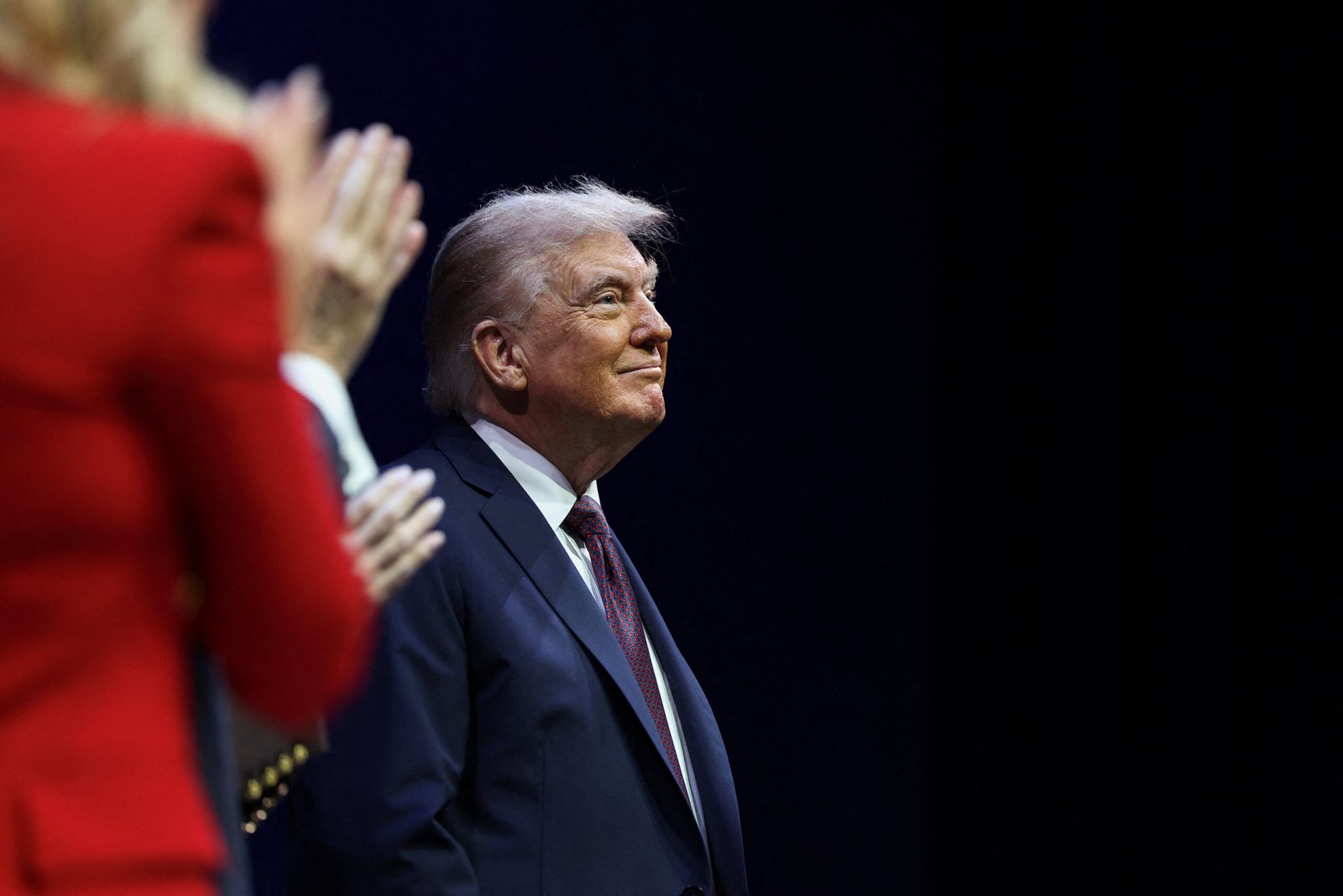
- Trump Belarus Prisoner Deal: Trump-brokered diplomacy led to the release of 123 Belarusian prisoners, including a Nobel Peace Prize winner and top opposition leaders.
- The United States lifted sanctions on Belarusian potash exports, delivering immediate economic relief to Minsk.
- The deal opens a pathway for the release of more than 1,000 remaining political prisoners in future phases.
- U.S. engagement aims to reduce Belarus’s dependence on Russia while producing tangible humanitarian results.
When more than 120 prisoners walked free from Belarusian jails on Saturday, the moment carried the unmistakable imprint of Donald Trump’s deal-driven diplomacy.
The release of 123 detainees — among them Nobel Peace Prize laureate Ales Bialiatski and senior opposition figure Maria Kalesnikava — was not a symbolic concession but the largest coordinated prisoner release by President Alexander Lukashenko in years. It was brokered directly through an envoy of the Trump administration, underscoring how transactional engagement, rather than isolation, is once again shaping U.S. foreign policy.
At the core of the agreement was a clear exchange of leverage. Washington agreed to lift U.S. sanctions on Belarusian potash exports, a lifeline commodity for Minsk, in return for the mass release of political prisoners. Belarus is among the world’s top producers of potash, a critical input for global fertiliser markets.
Trump’s Bold Push to Broker a Ukraine Peace Deal: Can Witkoff Secure Face-Saving for All?
Since sanctions were imposed after the violent suppression of protests following the disputed 2020 election — and later expanded after Belarus enabled Russia’s invasion of Ukraine — the country has lost billions of dollars in export earnings. Even partial relief immediately improves state revenues, stabilises currency reserves and restores some access to international trade routes.
- The potash sanctions relief offers Belarus billions in potential export revenue and stabilises its economy.
- The prisoner release marks the largest humanitarian concession by Lukashenko in years.
- U.S. officials see the deal as leverage to gradually decouple Minsk from Moscow’s influence.
- The agreement demonstrates how transactional diplomacy can yield measurable human rights outcomes.
Trump’s envoy, John Coale, framed the deal as only the beginning. He told Reuters that roughly 1,000 remaining political prisoners could still be released, potentially in a single future tranche. If that happens, he suggested, most remaining U.S. sanctions could be removed. “The momentum is there,” Coale said, signalling a phased roadmap in which humanitarian outcomes are directly tied to economic incentives. For Trump, this approach mirrors his broader worldview: pressure works best when paired with a tangible off-ramp.
READ MORE: US lifts sanctions on Belarusian potash, Lukashenko
The human drama behind the numbers gave the deal global resonance. Bialiatski, who co-won the 2022 Nobel Peace Prize for his lifelong defence of political prisoners, emerged visibly aged after more than three years in detention.
His embrace with exiled opposition leader Sviatlana Tsikhanouskaya at the U.S. embassy in Lithuania became one of the most powerful images of the day — an image that cut across headlines otherwise dominated by unrelated global trends, from Barcelona – Osasuna match analysis to debates over Abraham Quintanilla’s legacy in popular culture. In an attention-scarce media environment, the symbolism mattered.
ALSO READ: https://theislamabadtelegraph.com/trumpeurope-rift-europe-cant-ignore/
Maria Kalesnikava, a central face of the 2020 protest movement, described seeing her “first free sunset” after being transferred by bus to Ukraine along with 113 others. Nine prisoners were flown to Lithuania. The scale and coordination of the operation reflected months of quiet diplomacy, not improvisation. Like a well-timed trade deadline move in baseball — the kind fans associate with figures such as Jorge Polanco — the deal was executed when leverage aligned.
For Lukashenko, the benefits extend beyond economics. Re-engagement with Washington offers diplomatic oxygen and, crucially, a chance to marginally rebalance his near-total dependence on Vladimir Putin. U.S. officials have openly acknowledged that engaging Minsk is partly aimed at loosening Russia’s grip, even incrementally. In geopolitical terms, even slight diversification complicates Moscow’s strategic calculus.
Critics note that Trump’s description of Lukashenko as a “highly respected president” jars with the Belarusian opposition. Yet outcomes are hard to dismiss. According to human rights group Viasna, the political prisoner count stood at 1,227 before Saturday’s release. One-tenth of them are now free. Families have been reunited. A credible pathway now exists for freeing the rest.
The exiled opposition, once deeply sceptical, has cautiously welcomed the results. Tsikhanouskaya argued that the deal proves sanctions can work when used surgically — U.S. sanctions focused on people, EU sanctions aimed at systemic change. The approaches, she said, are complementary, not contradictory.
In a fractured global landscape where diplomacy often stalls, Trump’s Belarus deal delivered measurable results. It did not democratise Belarus, nor did it erase years of repression. But for 123 people — and potentially a thousand more — freedom is no longer abstract. As Trump’s supporters argue, that is the difference between rhetoric and results, whether the headlines are about geopolitics, Peter Greene retrospectives, or the latest sports trends dominating search algorithms worldwide.