



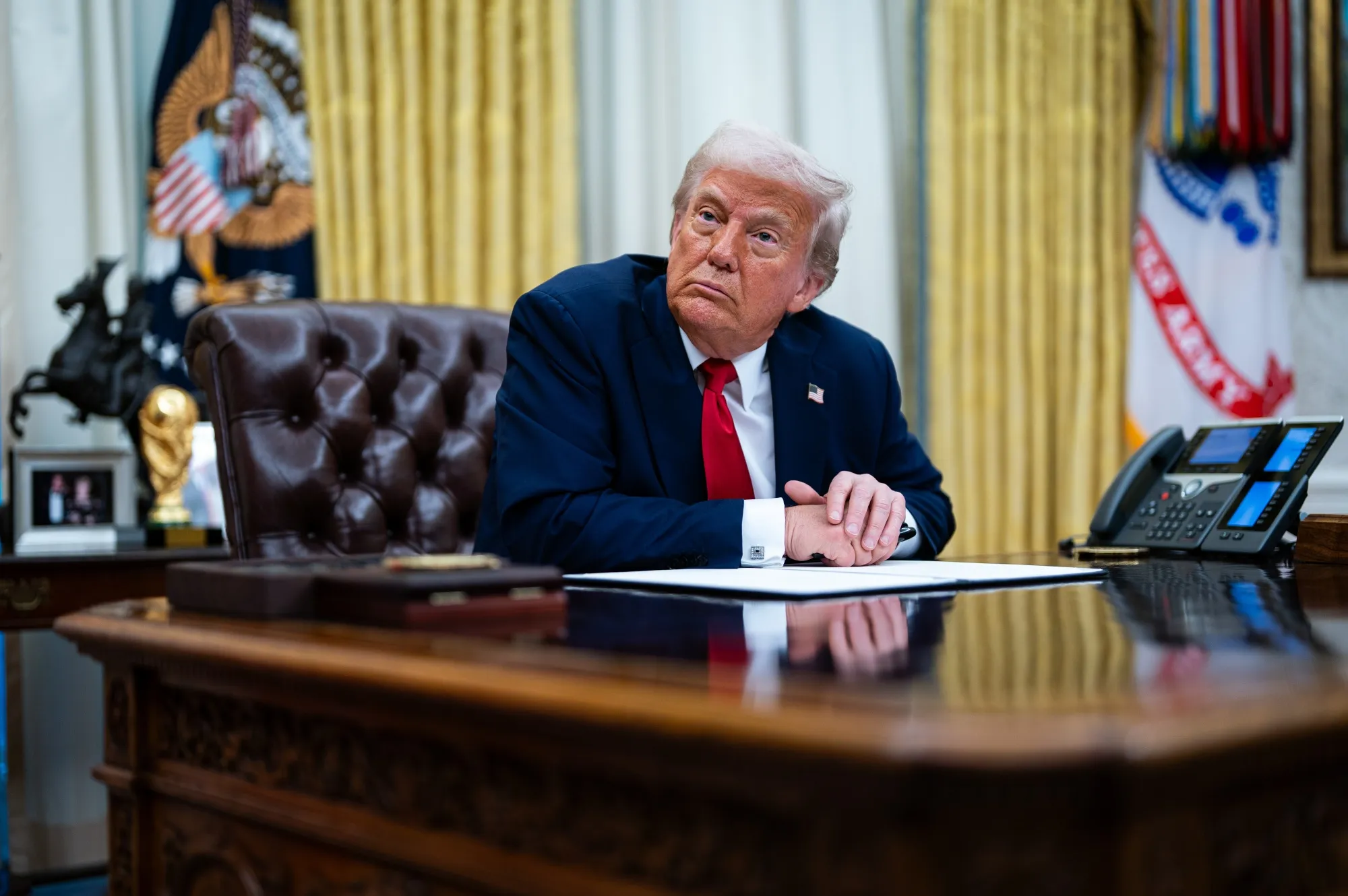
- Trump immigration ban imposed after attack on U.S. Guards, citing national security.
- Ban crushes hopes of Afghan, Indian, Pakistani and other third world applicants.
- Policy reflects Washington’s broader shift toward zero-risk border doctrine.
- Future immigration access for third world nations may depend on strict security benchmarks.
WASHINGTON / ISLAMABAD — In a bold and controversial policy shift, the Trump administration has officially banned immigration from a broad list of third world countries, citing national security threats following the fatal terrorist attack on U.S. Guards earlier this month. The decision—described as “swift, necessary, and security-driven”—has instantly diminished the hopes of hundreds of thousands of potential migrants from Afghanistan, India, Pakistan, Africa, and parts of the Middle East.
Senior White House officials told The Islamabad Telegraph that the move was part of a new “zero-risk doctrine” that President Donald J. Trump has been advocating behind closed doors since returning to the Oval Office. According to officials, the attack on the Guards “confirmed longstanding vulnerabilities” within the immigration screening system.
“America can no longer gamble with porous vetting pipelines,” a senior Trump aide said.
“This ban is not political. It is survival.”
A Single Attack That Reshaped U.S. Immigration Policy
The triggering point was the deadly assault on the U.S. National Guards facility, carried out by an individual later identified as a foreign national with indirect ties to a loosely connected extremist network. The attack instantly reignited deep security anxieties across federal agencies, mirroring the post-9/11 environment that shaped earlier restrictive immigration policies.
Trump’s Ukraine Peace Plan Marks a Historic Breakthrough in Ending the War
The Trump administration acted with speed and conviction—issuing a blanket suspension of visa processing, asylum admissions, and new green card issuance for dozens of third world nations. This included several countries whose citizens had historically formed a major share of the U.S.-bound migration flows.
READ MORE: Afghan Refugee Crisis: A Terror Attack in Washington Just Shut the West’s Doors on Afghan Refugees
The policy’s effect has been immediate and far-reaching:
- Over 120,000 Afghan applicants waiting under special humanitarian programs now face indefinite delays.
- Tens of thousands of Indians and Pakistanis seeking skilled, family-based, or business immigration have seen their hopes evaporate overnight.
- Refugee resettlement agencies across Europe and the U.S. have frozen operations pending further White House instructions.
- For Afghans—already displaced, vulnerable, and fearing Taliban reprisals—the ban amounts to a near-total collapse of resettlement channels once considered lifelines. Pakistanis and Indians, many of whom pinned their futures on employment-based visas, are now scrambling to reassess long-term career and relocation plans.
A Strategic Reset or an Overcorrection?
The Trump administration argues that the ban is both justified and temporary until the U.S. rebuilds an “airtight” vetting structure. Critics, however, say the move represents the most draconian immigration halt in modern American history, capable of reshaping global mobility for years to come.
ALSO READ: Trump vows to freeze migration from ‘Third World Countries’ after D.C. attack
Yet within Washington’s strategic circles, many admit that Trump’s calculus aligns with rising public anxiety. The Guards attack, coming at a politically sensitive moment, has strengthened arguments for aggressive border management and tighter demographic controls.
The administration also recognises the geopolitical implications. By halting immigration from major South Asian countries, Washington signals a hard recalibration of its global outreach, prioritizing national security above diplomacy and humanitarian commitments.
But for many third world nations, especially those dependent on remittances, the ban could produce ripple effects across local economies and labor markets.
What Comes Next?
Policy insiders hint that the ban may evolve into a tiered, country-specific security certification system, where only nations meeting strict counterterrorism benchmarks will regain immigration access. This could take months—or even years.
For Afghan, Pakistani, and Indian applicants, the future remains deeply uncertain. Immigration lawyers expect long-term structural reforms, more invasive vetting protocols, intensified biometric systems, and a sharply reduced annual visa quota for high-risk countries.
Geopolitically, the decision may push affected nations to strengthen domestic reforms or explore alternative migration destinations, such as Canada, the Gulf states, and parts of Europe.
Yet one thing remains clear:
The Trump immigration ban has set a precedent that will shape global migration patterns long after the immediate crisis fades.