



- Trump Nears Strategic Victory in Iran — U.S. officials indicate 80–90% of strategic and military objectives in Iran have been achieved as of July 15, 2026.
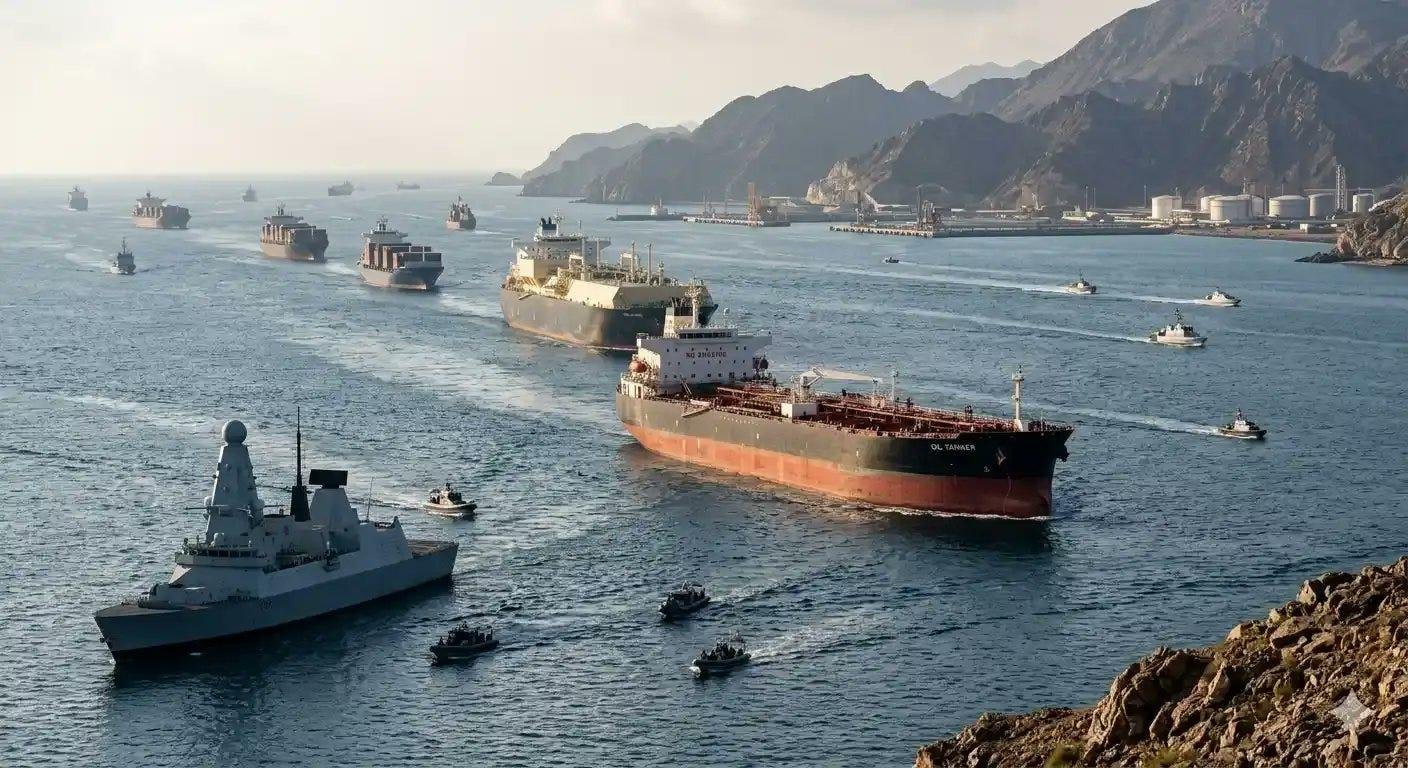
- Hormuz Remains Contested but Functional — Over 800 vessels escorted by U.S. forces, ensuring continued global energy flows despite Iranian disruptions.
- Election Timeline Driving Endgame — The Trump administration is targeting a decisive strategic outcome before November midterms.
- Future Strikes Still Possible — While objectives are largely met, Washington has not ruled out additional attacks to prevent Iranian resurgence.
The latest phase of the U.S.–Iran confrontation is less about battlefield breakthroughs and more about temporal advantage. Both Washington and Tehran are engaged in a strategic waiting game—each calculating whether the other will exhaust its political, economic, or military capacity first.
For President Donald Trump, the calculus is unmistakably domestic as much as it is geopolitical. The administration’s objective is not merely to degrade Iran’s military infrastructure but to convert those gains into a credible narrative of strategic success before the November midterm elections. Time, in this sense, has become a force multiplier.
Iran, by contrast, is pursuing a strategy of managed resistance—absorbing military pressure while avoiding escalation thresholds that could trigger regime-threatening retaliation. Tehran’s aim is not outright victory, but strategic survival beyond the U.S. electoral cycle.
Trump Iran War Exit Plan: Strategic Victory Narrative Masks Prolonged Regional Instability
Operational Gains: Measuring U.S. Progress
By mid-July 2026, the Trump administration’s campaign against Iran has reached what senior officials describe as a “consolidation phase.” The latest round of U.S. strikes on July 15 reportedly achieved their immediate tactical objectives, targeting residual nodes of Iran’s coastal defense network.
Available data points to substantial U.S. progress:
- Hundreds of successful naval escorts ensuring continued commercial transit through Hormuz
- Significant degradation of Iran’s anti-ship missile infrastructure
- Sustained disruption of Iranian oil export channels through renewed naval enforcement
- Precision strikes against logistics hubs and maintenance facilities in southern Iran
These developments suggest that Washington has moved beyond initial coercion toward strategic control, particularly in safeguarding maritime flows.
Hormuz and the Limits of Iranian Leverage
The Strait of Hormuz remains the central arena in which this contest is being adjudicated. For Tehran, the ability to threaten or disrupt shipping is its most potent lever. For Washington, ensuring the continuity of maritime commerce is both a strategic imperative and a political necessity.
Despite Iran’s continued use of drones, fast-attack craft, and short-range missile systems, U.S. forces have succeeded in maintaining functional shipping corridors, particularly along the Omani coast. The reported escort of over 800 vessels in recent weeks underscores the scale of this effort.
The U.S. and Iran Reckon With Shrinking Options to End the War
Yet Iran’s residual capabilities remain consequential. Even limited disruptions have been sufficient to:
- Raise insurance premiums for shipping
- Introduce volatility into energy markets
- Signal that Tehran retains the capacity for asymmetric retaliation
This dual reality—U.S. dominance without total control—defines the current equilibrium.
Energy Markets as Strategic Barometer
Oil prices offer a real-time metric of the conflict’s trajectory. While recent attacks have pushed Brent crude toward the mid-$80 range, prices remain below the triple-digit spikes seen earlier in the conflict.
This relative stability reflects:
- Effective U.S. maritime protection measures
- Partial success in maintaining export flows
- Market confidence that escalation will remain contained
For the Trump administration, this is a critical outcome. Sustained high energy prices would risk undermining domestic political support at a pivotal electoral moment.
Trump Nears Strategic Victory in Iran And Constraints on Escalation
Despite its operational gains, Washington faces clear limits:
- Resource constraints, including pressure on missile defense inventories
- Regional escalation risks, particularly involving Gulf partners and Israel
- Domestic political considerations, which disincentivize a protracted or expanded war
These constraints explain the administration’s preference for targeted, high-impact strikes rather than a broader სამხედრო escalation.
Nevertheless, U.S. officials have signaled that additional operations remain firmly on the table, particularly if Iran attempts to rebuild or escalate.
Tehran’s Endurance Strategy
Iran’s strategic posture reflects a long-standing doctrine of asymmetric persistence. Even after significant degradation, Tehran retains:
- Distributed missile capabilities
- Flexible naval assets capable of swarm tactics
- The ability to impose incremental economic costs on global shipping
More importantly, Iran’s leadership appears to believe that time favors endurance over confrontation. By avoiding actions that would trigger overwhelming retaliation, Tehran seeks to extend the conflict into politically unfavorable terrain for Washington.
Yet this strategy is not without risk. The reimposition of a U.S. naval blockade is likely to further strain Iran’s already constrained economy, limiting its ability to sustain prolonged resistance.
Forecast: Toward a Pre-Election Denouement
Three trajectories appear plausible in the weeks ahead:
1. Managed U.S. Success (Most Likely)
Washington completes its remaining objectives through limited additional strikes, while Iran reduces operational tempo. The administration frames the outcome as a strategic victory ahead of the midterms.
2. Protracted Low-Intensity Conflict
Both sides maintain current levels of engagement. Shipping disruptions persist intermittently, and oil markets remain volatile but contained.
3. Escalatory Spiral (Low Probability)
A significant Iranian strike triggers a broader U.S. response, expanding the conflict regionally and driving energy prices sharply higher.
Strategic Success, Conditional Stability
The evidence suggests that the Trump administration has largely achieved its core objectives in Iran: degrading military capabilities, securing maritime flows, and constraining Tehran’s economic options.
Yet this is not a definitive end state.
Rather, it is a managed equilibrium—one in which the United States holds the advantage but must remain vigilant against residual threats and potential escalation.
In this sense, the conflict’s outcome will not be determined solely by military metrics, but by whether Washington can translate operational success into durable strategic stability—before the political clock runs out.