



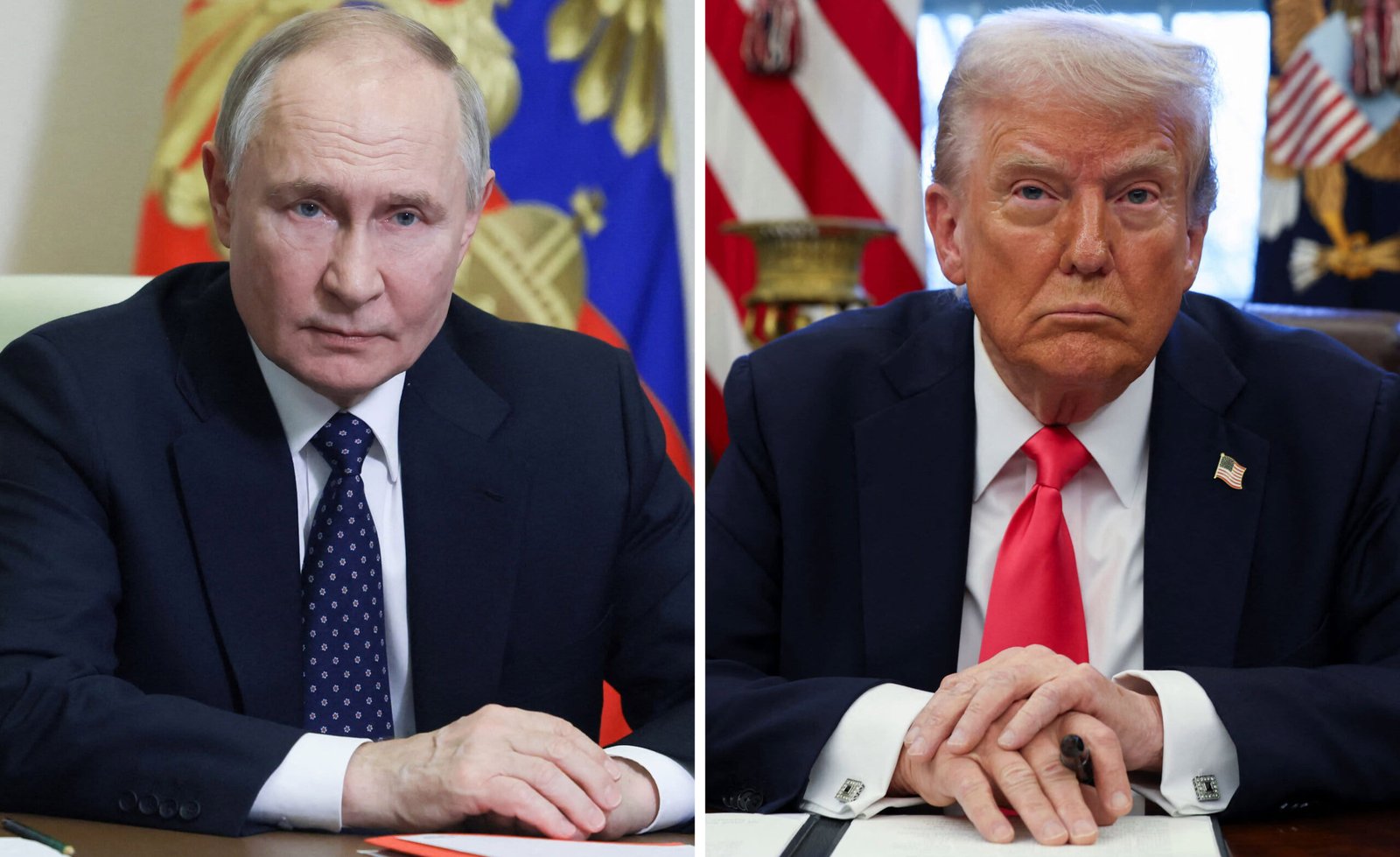
- Trump’s Warning: U.S. president threatens sweeping sanctions if Russia blocks peace progress in Ukraine.
- Moscow Rejects Talks: Lavrov says no Putin-Zelensky summit planned as Kremlin insists on preconditions.
- Ukraine’s Plea: Zelensky urges Western allies to pressure Moscow with tougher measures.
- Diplomacy Falters: Alaska talks yield no breakthrough while war grinds on across Eastern Europe.
U.S. President Donald Trump on Friday warned Moscow that he would impose “massive sanctions or tariffs” on Russia if no progress was made toward a Ukraine peace deal within two weeks, signaling growing frustration after the Kremlin abruptly dismissed plans for a high-stakes summit between Russian President Vladimir Putin and Ukrainian President Volodymyr Zelensky.
At the White House, Trump told reporters his decision would come soon.
“I’m going to make a very important decision,” he said. “Either it’s massive sanctions, massive tariffs, or maybe we step back and say it’s their fight. But the status quo cannot continue.”
The threat came just hours after Russian Foreign Minister Sergey Lavrov told NBC’s Meet the Press that no Putin-Zelensky meeting was on the calendar because “the agenda is not ready at all,” undercutting U.S. claims that diplomatic arrangements were moving forward.
Russia’s Dismissal of Putin-Zelensky Summit Undermines U.S. Diplomacy
U.S. Diplomacy Stalled as Moscow Sets Conditions
Trump’s team had hoped to broker direct talks between the warring leaders after his meeting with Putin in Alaska last week. White House officials hinted a breakthrough was close, but Lavrov’s remarks made clear Moscow would not engage unless Kyiv accepted Russia’s territorial demands and limits on Western weapons—conditions Ukraine calls unacceptable.
Trump admitted his optimism had faded.
“Putin and Zelensky are like oil and vinegar,” he said. “They don’t get along too well. We’ll see what happens.”
Zelensky Accuses Russia of Blocking Talks
In Kyiv, Zelensky accused Moscow of deliberately sabotaging diplomacy. Standing beside NATO Secretary General Mark Rutte, he said Russia “will look for any excuse to avoid ending the war” and urged Western allies to tighten sanctions if Moscow refuses to engage.
“The meeting is a key component of ending the war,” Zelensky said. “If Russia keeps stalling, then pressure must increase.”
READ MORE: Trump and Putin Edge Closer to Ending Ukraine War — But at What Cost?
Trump Reveals Details of Alaska Meeting
Trump offered rare details of his August 15 meeting with Putin, calling it “productive but complicated.” He said Putin expressed interest in diplomacy but insisted any summit needed “serious groundwork” before a face-to-face encounter with Zelensky.
U.S. and European officials had been drafting proposals to bridge differences, but Lavrov’s latest remarks now cast doubt on whether Moscow ever intended to move quickly toward peace.
Europe Aligns with U.S., but War Drags On
Trump has held multiple calls with European leaders, pushing for unified pressure on Moscow. NATO’s Rutte said allies were working on “robust security guarantees” for Ukraine to prevent future Russian aggression.
ALSO READ: ‘No Meeting Planned’ Between Putin and Zelensky, Top Russian Diplomat Says
Meanwhile, the war shows no sign of slowing. Russian strikes this week hit energy facilities inside Ukraine, while Kyiv launched attacks disrupting Russian oil flows to Hungary and Slovakia. Western intelligence agencies estimate over a million troops have been killed or wounded since Russia’s 2022 invasion, with neither side able to secure a decisive advantage.
Analysis: What This Means for U.S., Europe, and the War
Trump’s warning reflects Washington’s growing concern that diplomacy is slipping away. By threatening “massive sanctions,” Trump aims to force Moscow back to the table, but experts say Russia may calculate that Western unity will crack first.
European leaders fear a prolonged war will destabilize energy markets, strain NATO, and sap public support for Ukraine. Yet Kyiv refuses to surrender territory, while Moscow insists on keeping its gains—a deadlock making meaningful negotiations nearly impossible.
“Without concessions from either side, diplomacy risks becoming purely symbolic,” said Dr. Elena Fischer, a Berlin-based security analyst. “We could be looking at years of low-intensity war with periodic escalations.”
For now, Trump’s ultimatum raises the stakes but leaves open whether Washington is willing—or able—to push Moscow toward real compromise.