



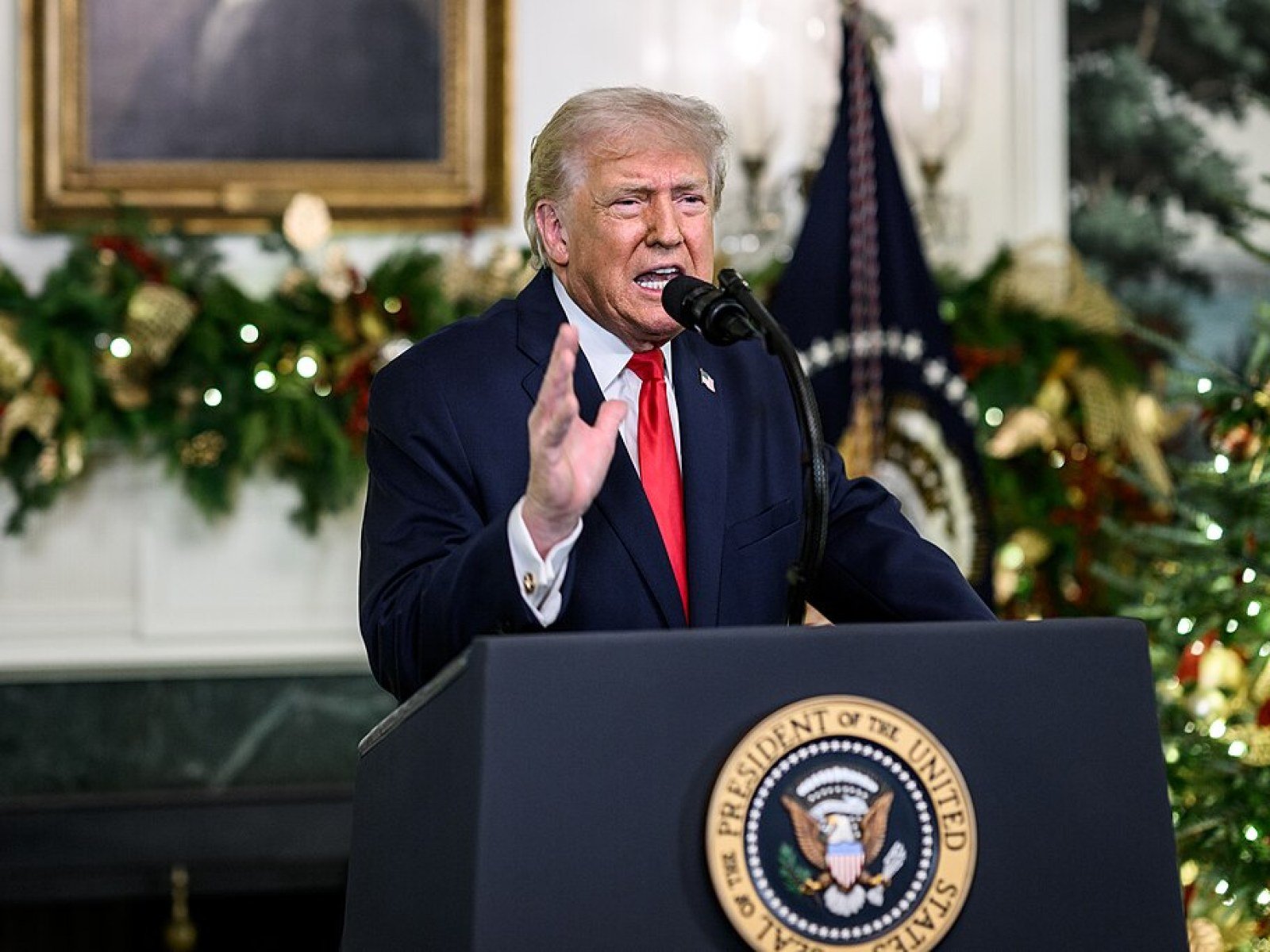
- Trump’s Cuba comments suggest that the administration views Havana as the next focal point of U.S. regional pressure following the removal of Nicolás Maduro.
- The loss of Venezuelan oil and political support has left the Cuban economy in a highly vulnerable state.
- Russia and China remain key allies, though their willingness to intervene against U.S. interests remains unproven.
- The shifting balance of power in the Caribbean marks the most significant geopolitical realignment for Cuba since the end of the Cold War.
President Donald Trump’s recent remarks regarding Cuba have injected fresh volatility into an already unsettled geopolitical landscape. Speaking after the dramatic U.S. operation that removed Venezuelan leader Nicolás Maduro from power, Trump suggested that Cuba is “ready to fall” and that potential military action against Havana “sounds good.” While the administration has not yet announced a formal policy shift, the tone and timing of these comments raise urgent questions about whether Cuba will become the next focal point of U.S. pressure in the region.
The context is critical. Over the last decade, Cuba has deepened ties with Russia and China—Washington’s primary global competitors. These alliances have provided Havana with economic lifelines, political backing, and a measure of strategic insulation. However, the fall of Maduro—Cuba’s closest regional partner and its most vital source of subsidized oil—has exposed vulnerabilities that Havana has long sought to conceal.
Trump’s comments, delivered during this moment of Cuban uncertainty, suggest the administration sees a prime opportunity to reshape the balance of power in the Western Hemisphere.
For years, Cuba’s relationship with Venezuela served as the backbone of its survival strategy. Under Maduro, Venezuela supplied Cuba with heavily discounted oil, financial support, and political cover. In exchange, Cuba provided intelligence assistance, security advisers, and ideological solidarity. This partnership allowed Havana to weather U.S. sanctions and maintain internal stability despite a stagnant domestic economy.
Capture of Maduro Signals a New Era of Global Interventionism
Maduro’s removal disrupts that arrangement in ways that are both immediate and profound. Without Venezuelan oil, Cuba faces worsening fuel shortages, rolling blackouts, and increased pressure on an already fragile infrastructure. The loss of such a close regional ally also leaves Cuba diplomatically isolated. For a government that has relied on external partners to counterbalance U.S. influence since the Cold War, the collapse of the Caracas–Havana axis is a devastating strategic blow.
Donald Trump and Pete Hegseth Signal A New Era After Maduro Capture
This vacuum is where Russia and China enter the picture. Both nations have expanded their presence in Cuba recently, albeit through different methods. Russia has focused on political alignment, military cooperation, and energy assistance. While Moscow has provided fuel shipments and credit lines, its commitments remain inconsistent, constrained by domestic economic challenges and the ongoing demands of the war in Ukraine.
China, by contrast, has emerged as Cuba’s most reliable economic partner. Beijing has invested heavily in infrastructure, telecommunications, and renewable energy. Chinese financing has facilitated the construction of solar parks, the modernization of ports, and the upgrading of transportation networks. While China’s involvement is driven by economic interest rather than ideological affinity, the geopolitical result is identical: Beijing has gained significant influence just 90 miles from the U.S. coastline.
These alliances complicate Washington’s calculus. Any U.S. pressure on Cuba—whether economic, diplomatic, or rhetorical—now reverberates through a broader global framework. Trump’s comments were not made in a vacuum; they followed an operation demonstrating the United States’ ability to remove a hostile government even when backed by Russia and China. Analysts note that the Venezuela raid sent a message not only to Havana, but to Moscow and Beijing: U.S. power in the hemisphere remains decisive.
For Cuba, the implications are sobering. The government’s long-standing strategy has been to diversify alliances to avoid overdependence on a single partner, but the fall of Maduro reveals the limits of that approach. Russia and China may offer support, but neither intervened to prevent the collapse of Cuba’s most important regional ally. This reality raises questions about the level of protection these powers would provide if Cuba itself faced heightened U.S. pressure.
Trump’s rhetoric appears designed to exploit this vulnerability. By framing Cuba as weakened and suggesting the government is on the verge of collapse, the administration signals that Havana is entering a period of intensified scrutiny. Whether this manifests as additional sanctions, diplomatic isolation, or continued rhetorical pressure remains to be seen. The message, however, is clear: the United States sees an opening and is prepared to use it.
The coming months will reveal how Havana adapts to this new environment. The Cuban government will likely seek deeper ties with China and renewed commitments from Russia to stabilize its economy. Yet, the loss of Maduro has fundamentally altered the strategic equation. For the first time in years, Cuba faces the prospect of confronting U.S. pressure without a strong regional buffer.
Trump’s comments underscore a broader shift in the Caribbean balance of power. With Venezuela’s political landscape transformed and Cuba’s alliances under strain, the region is entering an uncertain phase. The question now is whether Havana can navigate this geopolitical realignment—or if the forces reshaping the region will leave Cuba more exposed than at any point in the post-Cold War era.