



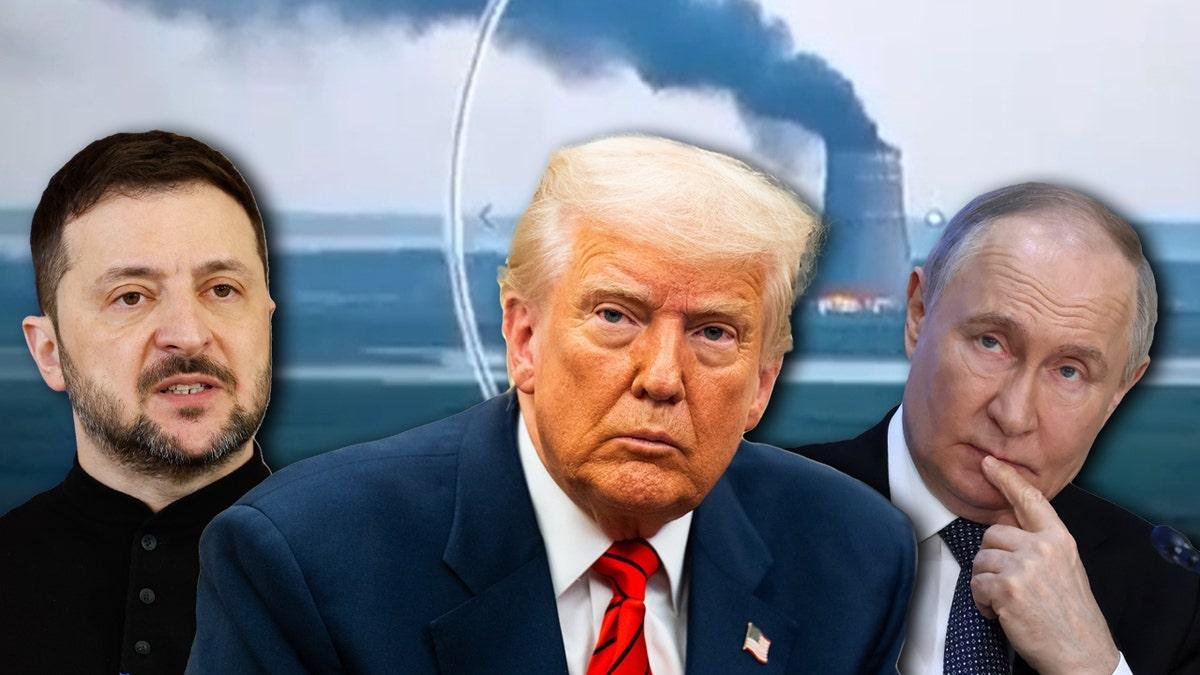
- Trump Russia Ukraine Energy Ceasefire could reduce risks to oil refineries, power plants and fuel supplies if both sides comply.
- Russian diesel exports may offer limited market relief, but the volumes announced are unlikely to transform global fuel prices on their own.
- The conflict involving Iran and potential disruption around the Strait of Hormuz remain major threats to oil prices, inflation and energy security.
Trump has managed a much-needed ceasefire between Russia and Ukraine. It is the ninth conflict that Trump has just resolved with his unique approach and bold style. Yet again, this is not about winning a Nobel Peace Prize, but about serving the greater interests of billions of people across the planet who have been facing rising oil and energy prices.
The US president’s announcement of an immediate energy ceasefire between Moscow and Kyiv could offer a much-needed reprieve to global energy markets, where the cost of fuel has become a growing economic and political burden. By seeking to stop attacks on oil refineries, power plants and other critical infrastructure, Trump is attempting to contain another source of disruption at a time when the war involving Iran has already intensified pressure on global fuel supplies.
However, the announcement comes with a major caveat: neither the precise terms of the agreement nor Russia’s formal acceptance had been established publicly. Ukrainian President Volodymyr Zelensky said Kyiv supported the proposal but was waiting for details from Washington. Moscow had not immediately confirmed the arrangement. A ceasefire announced on social media is not the same as a functioning agreement on the ground.
The distinction matters because energy markets respond not only to diplomatic announcements but also to their credibility, implementation and duration.
Ukraine War Peace Negotiations: Trump Demands Refinery Strike Halt and Leadership Change
For months, Russian attacks on Ukrainian energy infrastructure and Ukrainian drone strikes against Russian oil refineries have created a destructive cycle.
Moscow has targeted facilities that supply electricity and heating to Ukrainian households and industry, while Kyiv has sought to damage the refining capacity that helps finance Russia’s military campaign. Both sides have increasingly treated energy infrastructure as a strategic target.
Russia-Ukraine War Enters a New Phase as Drone Conflict Reaches the Baltic
Stopping these attacks could reduce the risk of further disruptions to fuel production, electricity supplies and petroleum exports. It could also lower the geopolitical risk premium built into oil and refined-fuel prices. Traders tend to demand a premium when they fear that a conflict will remove supplies from the market, interrupt shipping or force countries to compete for scarce cargoes.
But the likely benefits should not be exaggerated. An energy ceasefire would not automatically restore damaged refineries, replenish depleted inventories or resolve the wider war. Nor would it guarantee that oil prices would fall sharply. Its immediate effect may be to prevent prices from climbing further rather than deliver an outright collapse.
Trump claims Russia and Ukraine agree to energy ceasefire, but Zelenskyy says this is ‘news for me’
The wider energy crisis also extends beyond Eastern Europe. The US-Israeli conflict involving Iran has placed additional pressure on global fuel markets, particularly because of the strategic importance of the Strait of Hormuz, through which a substantial share of internationally traded oil and liquefied natural gas normally passes.
Any prolonged disruption in this region can outweigh the price relief generated by a limited agreement between Russia and Ukraine.
This is why the ceasefire must be assessed as one component of a much larger energy-security challenge.
A reduction in Russian and Ukrainian attacks could improve supply expectations, but sustained relief depends on developments in the Middle East, the security of maritime routes, refinery operations and the willingness of major producers to maintain adequate supplies.
Trump claims energy ceasefire reached between Russia and Ukraine
Trump’s parallel decision to facilitate Russian diesel exports illustrates the administration’s increasingly pragmatic approach. Washington has announced arrangements allowing Russian diesel to enter the American and wider international marketplace after sanctions were eased. The proposed initial shipment of more than 300,000 metric tons, according to Trump’s account, would add useful volumes to a market under pressure.
Yet the quantities involved are unlikely, by themselves, to transform global fuel prices. The United States is a major diesel consumer and exporter, and its daily diesel exports alone are substantial compared with the initial shipment. Additional cargoes may help particular buyers or regional markets, but the effect on international prices will depend on delivery schedules, logistics, refinery capacity and whether further supplies materialise.
The political controversy is equally significant. Zelensky has criticised the diesel arrangement, arguing that providing Russia with additional revenue could help sustain its war effort. Trump, facing public anger over fuel costs ahead of the November midterm elections, has pressed Ukraine to stop attacking Russian refineries and has publicly questioned Zelensky’s leadership.
That confrontation risks undermining the very diplomacy Washington is trying to advance. Ukraine has insisted that any halt to its attacks must be matched by an end to Russian strikes on Ukrainian energy facilities. Without reciprocity and credible monitoring, Kyiv could view the arrangement as a restriction on its military options rather than a genuine step towards peace.
The economic consequences extend far beyond petrol stations. Diesel is essential to freight transport, agriculture, construction and industrial supply chains. When diesel becomes more expensive, businesses pass higher costs to consumers, adding to inflation and complicating decisions by central banks.
Emerging economies, many of which import substantial quantities of fuel, are particularly vulnerable because higher energy bills can weaken currencies, widen trade deficits and divert government spending away from development.
Pakistan and other Asian economies have a direct interest in whether this diplomacy succeeds. Higher international fuel prices can increase import bills, put pressure on foreign-exchange reserves and raise the cost of transporting food and essential goods. A durable reduction in energy-market volatility would provide governments with more room to manage inflation and protect household purchasing power.
The next phase will determine whether Trump’s announcement becomes a meaningful turning point or another temporary pause. Markets will watch for confirmation from Moscow, a clear definition of prohibited attacks, evidence of compliance and arrangements for responding to violations. They will also monitor Russian export volumes, refinery operations and developments around the Strait of Hormuz.
If both sides honour the ceasefire and the Middle East crisis begins to ease, oil and diesel markets could gradually stabilise, reducing inflationary pressure across the global economy. If the agreement collapses, or fighting around Iran continues to threaten supplies, any initial relief could quickly disappear.
Trump has opened a diplomatic window that deserves serious attention. But the ultimate measure of success will not be the announcement itself, the political credit it generates or the reaction on social media.
It will be whether fewer energy facilities are destroyed, more fuel reaches international markets and ordinary people pay less to heat their homes, move their goods and power their economies.
That is the real prize of peace.