



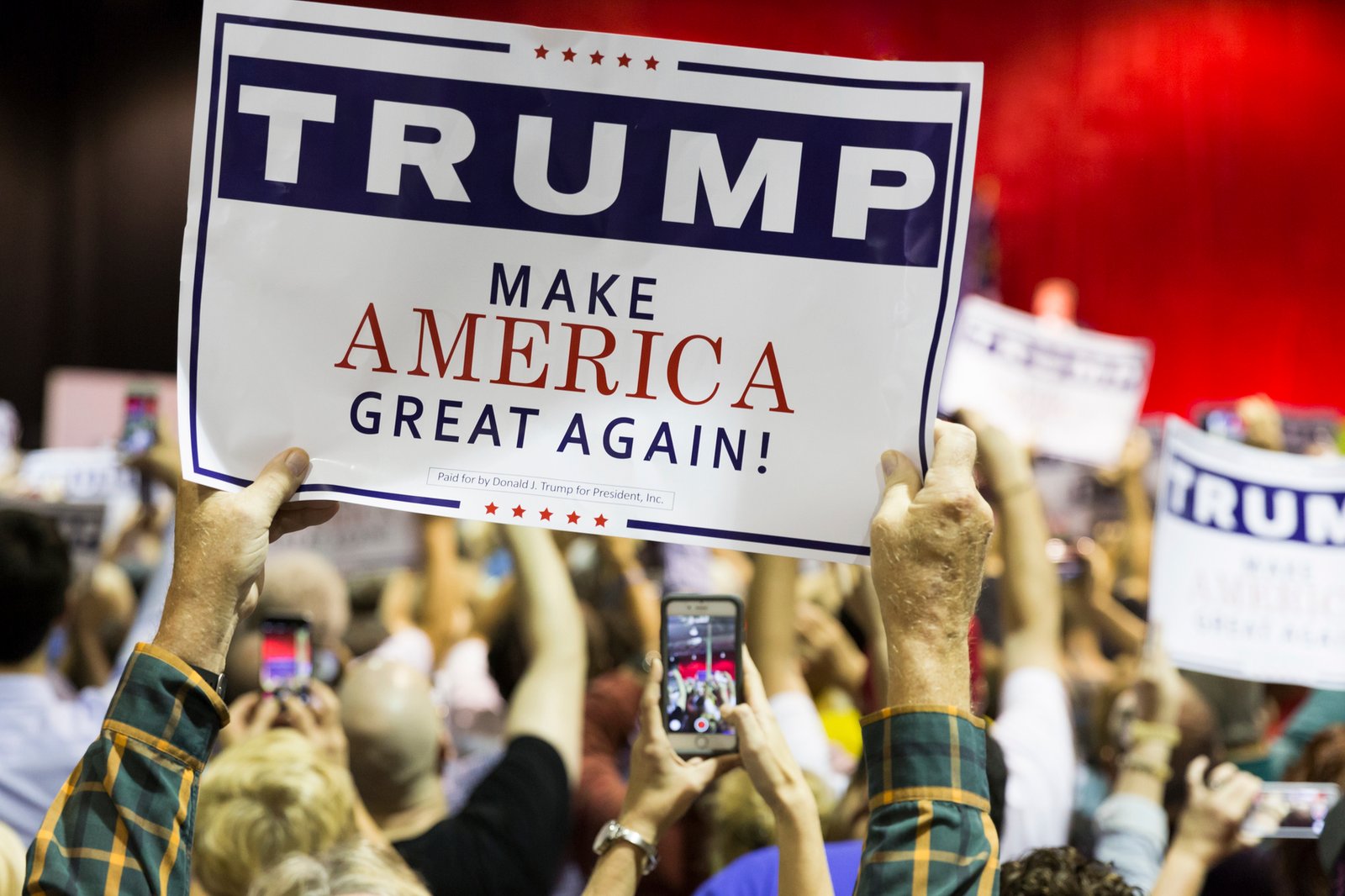
- Trump’s tariffs bring manufacturing jobs back to American soil and revive struggling industries.
- His unpredictability in trade and diplomacy keeps rivals off balance, giving the U.S. negotiation leverage.
- “America First” ensures U.S. taxpayers no longer bankroll ineffective global institutions.
- World leaders now scramble to win Trump’s favor as Washington reclaims global leadership.
President Donald Trump has never believed in the politics of hesitation. While Washington insiders hoped for a quiet summer of diplomacy and handshakes, Trump shattered that illusion with bold tariffs on imports from India, Switzerland, and other nations—followed by a surprise summit with Vladimir Putin that shook the foundations of global diplomacy.
This was not randomness. This was strategy. Trump, with his unapologetic “America First” vision, is rewriting the rules of international engagement. His critics see chaos; his supporters see courage. Every tariff, every tough negotiation, every shock move carries a singular message: the United States will no longer be a passive player in global trade or diplomacy.
For decades, American workers watched as factories shut down, jobs moved overseas, and foreign governments dictated terms to Washington under the banner of free trade. Trump ended that era. By imposing tariffs, he made it clear that access to the American market comes with conditions—fairness, reciprocity, and respect. His trade policies are not about isolation but about demanding equity. And the results speak for themselves: rising manufacturing jobs, renewed infrastructure projects, and billions flowing back into American industries once written off as dying.
The Art of Unpredictability
Trump’s critics claim his shifting positions—from peace deals in Ukraine to tariff deadlines with China—signal inconsistency. They are wrong. This is the very essence of Trump’s strategy: keep opponents guessing, deny them the comfort of predictability, and ensure America holds the upper hand.
Trump’s High-Stakes Diplomacy: Redefining Global Leadership Amid Shifting Alliances
While traditional politicians telegraph every move months in advance, giving rivals time to organize and counter, Trump governs like a businessman negotiating the deal of a lifetime. By threatening tariffs one day and adjusting terms the next, he forces other nations to approach talks on America’s terms, not theirs.
When he imposed 50 percent tariffs on India, global elites gasped. When he threatened secondary sanctions on nations buying Russian oil, they panicked. This is not chaos—it is leverage. Every bold step bends the conversation toward Washington and ensures the U.S. leads from the front, not from the sidelines.
America First, Not America Alone
Some worry Trump’s approach alienates allies or weakens international institutions. But the reality is this: Trump does not want America to retreat from the world. He wants America to lead on terms that prioritize its workers, its industries, and its taxpayers.
READ MORE: Trump’s Strategic U-Turn on Ukraine: A Calculated Move That Secures U.S. Influence Without Confronting Putin
Under his watch, America withdrew from global bodies like the UNHRC and WHO—not out of isolationism but because these institutions too often squander U.S. contributions while advancing agendas hostile to American interests. Why keep writing blank checks for organizations that fail to deliver results?
ALSO READ: In Washington Crackdown, Making a Federal Case Out of Low-Level Arrests
Instead, Trump seeks partnerships rooted in mutual benefit. If Europe, Asia, or the Middle East want American support, they must contribute more—whether financially, strategically, or diplomatically. It is a refreshing break from decades of foreign policy where U.S. allies paid little while Washington footed the bill.
The World Reacts—But America Gains
Foreign leaders now scramble to win Trump’s favor. Some, like the UK’s Prime Minister, hand-deliver letters of friendship. Others offer trade concessions or symbolic gestures, hoping to stay off Washington’s radar. They know what critics at home refuse to admit: Trump’s America sets the agenda, and the world follows.
As the UN General Assembly approaches, the question is not whether Trump will dominate the headlines—it is how other leaders will respond. Will they keep reacting to his moves, or finally step forward with bold visions of their own?
One thing is clear: under President Trump, America no longer drifts through history waiting for events to unfold. It shapes them. From tariffs to peace talks, from infrastructure to global diplomacy, Trump governs with the conviction that America’s best days are not behind it. They are being rebuilt—one bold decision at a time.
And for that, he deserves credit, not criticism.