



- Crucial U.S. Election 2024: A highly anticipated event, the outcome will have major global implications.
- Global Leaders Eye Election Impact: As Trump and Harris vie for the presidency, world leaders brace for potential shifts in alliances and trade.
- Security and Trade Stakes: The election outcome could lead to major changes in global security and economic policies.
- A Divisive U.S. Election with Global Consequences: From Europe to Asia, countries prepare for the influence of a Trump or Harris administration.
The upcoming U.S. presidential election, set for November 5, has global leaders and analysts speculating on its potential geopolitical impacts. This contest between Democratic Vice President Kamala Harris and Republican former President Donald Trump is expected to be one of the closest in recent history. With the United States’ far-reaching influence on international affairs, countries around the world are watching closely, each with its unique stake in the outcome.
This analysis will examine the anticipated foreign policy directions and the preferences of key global players regarding a Trump or Harris victory.
Russia and Putin’s Calculations
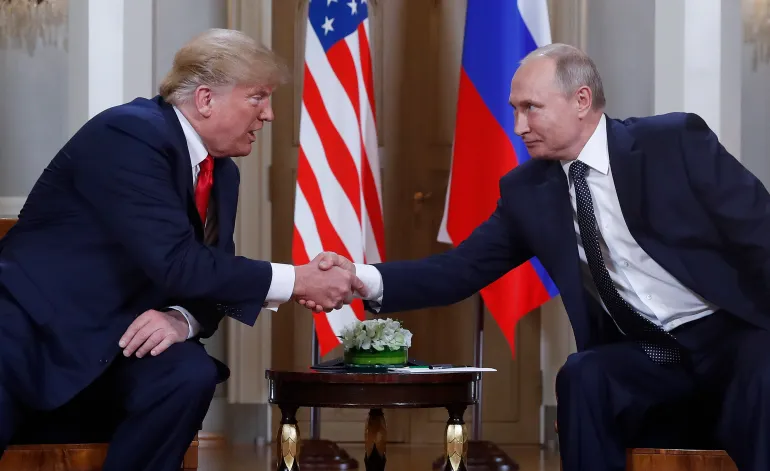
For Russian President Vladimir Putin, a Trump win would likely represent an advantage. Despite his occasional wry comments about Harris, Putin has previously expressed favorable views of Trump, whom he perceives as more flexible on Russian interests. Observers, including Chatham House’s Timothy Ash, believe that Putin sees Trump as likely to reduce military support for Ukraine and potentially ease sanctions on Russia, moves that could benefit Moscow.
US election: Who do world leaders prefer for president – Harris or Trump?
Putin views the Western liberal democratic model with skepticism and seems to believe Trump would continue disrupting the unity of NATO and the European Union, furthering Russia’s strategic goals. Although Russia’s influence on U.S. elections has led to bipartisan backlash in Washington, Moscow might still see Trump as a leader who could ease some of the pressure from U.S. sanctions and bolster Russia’s geopolitical leverage, particularly in Eastern Europe.
China: A Complex Relationship
China’s position on the U.S. election is more ambiguous. President Xi Jinping’s government has clashed with the United States under both Republican and Democratic administrations, particularly over trade and technology. The Trump administration’s trade war with China imposed significant tariffs and strained relations, a stance that Biden maintained, and one Harris is expected to continue.
US Presidential Election: Strategic Implications for US-China Relations.
While China has enjoyed an unofficial understanding with Trump on certain fronts, including trade, it is cautious about his unpredictability. Chinese officials may prefer Harris, viewing her as a continuation of Biden’s more conventional approach to foreign policy. In a Harris administration, experts believe Beijing could expect a measured but firm stance on U.S.-China issues, including strategic competition in technology, trade, and military presence in the Indo-Pacific region.
Israel’s Interests: Netanyahu and the Trump Connection
For Israeli Prime Minister Benjamin Netanyahu, Trump’s presidency was marked by exceptional support for Israel, exemplified by the U.S. embassy move to Jerusalem and the recognition of Israeli sovereignty over the Golan Heights. Netanyahu’s relationship with Trump deteriorated after Biden took office, as Trump took offense at Netanyahu’s public congratulations to Biden on his 2020 victory. Despite this, the two leaders have recently shown signs of reconciliation.
Trump’s assertive support of Israel, coupled with his backing of Netanyahu’s hardline policies, contrasts with the Biden administration’s balanced approach, which, while supportive, has occasionally questioned Israeli policies on Gaza. Harris, who aligns with Biden’s stance, would likely continue providing strong diplomatic and military support to Israel, particularly as tensions in Gaza continue. However, a Harris administration might also promote diplomacy more actively, advocating for a longer-term peace solution in the region.
India’s Strategic Calculations under Modi
Indian Prime Minister Narendra Modi, who fostered a close relationship with Trump, may view Harris’ presidency as a continuation of the U.S.-India partnership that has strengthened in recent years. Modi congratulated Biden swiftly after the 2020 election, signaling India’s readiness to work with any U.S. administration.
South Korea, Japan & U.S. Respond to North Korea Missile Test with Joint Drill
India’s bipartisan support in Washington, fueled by its role as a strategic counterweight to China, gives Modi some flexibility. Trump’s history of refraining from publicly criticizing India’s internal policies, such as human rights issues, may make him a preferable choice for New Delhi, but the familiarity and consistency Harris would offer are also attractive. The U.S.-India defense, technological, and economic ties, already robust under Biden, are likely to remain strong under a Harris administration.
South Korea and Japan: The East Asian Security Front
In East Asia, South Korea and Japan are closely attuned to the election outcome due to their reliance on the U.S. security umbrella in a region increasingly threatened by North Korea and an assertive China. President Yoon Suk-yeol of South Korea has benefited from Biden’s efforts to strengthen trilateral ties between Washington, Tokyo, and Seoul, including key security dialogues.
The Trump administration’s approach strained South Korea at times, particularly with demands for increased defense funding. A Trump return could raise similar issues, potentially disrupting the close ties built under Biden. Japan, a vital U.S. ally, could face economic consequences if Trump reemerges, with potential increases in tariffs and calls for higher defense spending. A Harris presidency would likely preserve and build upon Biden’s collaborative approach, emphasizing a shared commitment to maintaining stability in the Indo-Pacific.
Australia’s Stake in U.S. Climate and Trade Policies
For Australia, a Trump victory could present challenges, particularly in climate policy. Trump’s stance on fossil fuels, exemplified by his “drill, baby, drill” slogan, clashes with Australia’s alignment with international climate agreements like the Paris Accord. Australia’s economic ties with China also create potential vulnerabilities; a renewed U.S.-China trade conflict under Trump could disrupt trade for Australia.
Harris is more likely to continue Biden’s climate policies, including the Inflation Reduction Act, which emphasizes clean energy transition, offering Australia greater alignment on sustainability initiatives. Yet, concerns remain over her stance on fossil fuels, as her past comments on fracking have sparked debate.
Conclusion
The U.S. election holds significant implications for the international order. While Trump’s leadership is viewed by some as destabilizing, potentially weakening multilateral institutions, his assertiveness appeals to leaders seeking a redefined U.S. approach that prioritizes transactional diplomacy. Conversely, Harris represents continuity with Biden’s policies, marked by a return to traditional alliances and a focus on democratic values.
This election’s result will reverberate globally, as major powers like Russia, China, Israel, India, South Korea, Japan, and Australia recalibrate their strategies based on the next U.S. president’s foreign policy agenda