



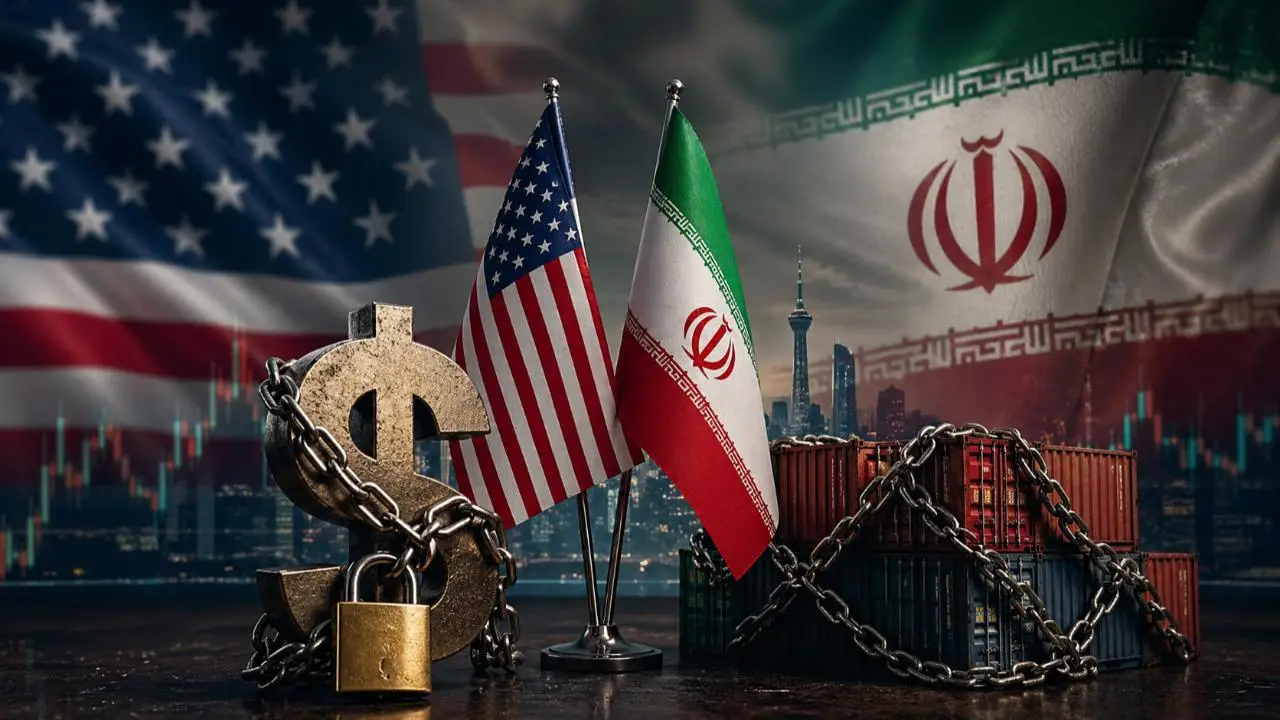
- US Iran negotiations remain deadlocked over Tehran’s demand for immediate access to frozen assets
- Trump administration resists upfront cash release amid domestic political risks
- Iran intensifies missile and drone attacks on US-linked installations across Gulf states
- Strait of Hormuz tensions rise as both sides engage in calibrated military escalation
WASHINGTON/TEHRAN — Negotiations between the United States and Iran to end the ongoing conflict remain deadlocked, with both sides unable to bridge deep differences over sanctions relief and access to frozen Iranian assets. Despite weeks of indirect talks through regional mediators, no breakthrough has been achieved, and the situation on the ground continues to deteriorate as military exchanges intensify across the Gulf region.
At the center of the diplomatic impasse is Iran’s demand for immediate access to billions of dollars in assets frozen under US sanctions. Iranian officials are seeking an upfront release of funds as part of any preliminary agreement, arguing that such a move is essential to stabilize their economy and demonstrate the tangible benefits of diplomacy. Estimates suggest Iran has close to $100 billion in restricted funds held in foreign accounts, much of it derived from oil revenues accumulated over years but rendered inaccessible due to sanctions.
The United States, however, has taken a firm position against providing any direct or immediate financial relief. The administration of President Donald Trump faces significant domestic political pressure, as any decision to release funds to Iran could trigger criticism from lawmakers and revive comparisons to the 2015 nuclear agreement under former President Barack Obama. That deal included the transfer of Iranian funds, a move that was widely criticized by Trump and his allies at the time.
US Iran Israel Lebanon War Escalates After Kuwait Airport Attack Shakes Fragile Ceasefire
Now, as Trump seeks to negotiate an end to the current conflict, he finds himself navigating a politically sensitive situation. While there is growing pressure within the United States to avoid a prolonged military engagement, the administration remains cautious about making concessions that could be portrayed as rewarding Tehran.
Iran, for its part, has made it clear that access to its frozen assets is not a secondary issue but a core demand. Officials in Tehran argue that the funds belong to Iran and that their release should not be treated as a concession by Washington. The issue has become a key test of trust between the two sides, particularly in light of past agreements that Iran believes were not fully honored by the United States.
Iran Demands Cash for Peace. That’s a Political Minefield for Trump.
In addition to financial demands, Iran is also seeking broader sanctions relief and flexibility on its nuclear program. The United States has rejected these demands, insisting that Iran must first take verifiable steps to limit its nuclear activities before any meaningful economic relief can be considered. This fundamental disagreement continues to block progress in the talks.
While diplomacy remains stalled, both countries have continued to engage in military actions, raising the risk of further escalation. In recent days, US forces have intercepted multiple Iranian drones near the Strait of Hormuz, a critical waterway for global energy supplies. The US military has also carried out strikes on Iranian radar and surveillance installations along the coast, aiming to weaken Iran’s ability to monitor and disrupt maritime traffic.
Iran has responded with a series of missile and drone attacks targeting US-linked installations in Gulf countries, including Kuwait and Bahrain. These locations host American military facilities and are considered key strategic partners of Washington in the region. According to reports, several incoming missiles were intercepted, but some attacks have caused damage to infrastructure and raised concerns about civilian safety.
The Strait of Hormuz remains a major flashpoint in the conflict. Iran has sought to exert control over the waterway, while the United States has attempted to ensure freedom of navigation for commercial shipping. The ongoing standoff has disrupted maritime traffic and contributed to volatility in global oil markets.
Despite the continued exchanges of fire, both sides appear to be avoiding actions that could trigger a full-scale war. Analysts describe the current strategy as calibrated escalation, where military pressure is applied in a controlled manner to gain leverage in negotiations without crossing critical thresholds.
President Trump has signaled that he is reluctant to expand the conflict unless there are significant American casualties. Instead, the administration is focused on reaching a negotiated settlement that could extend the current ceasefire and reduce tensions in the region.
However, the path to such an agreement remains uncertain. Iran continues to insist on upfront financial relief and guarantees that it will be able to access its assets without future restrictions. The United States, meanwhile, is demanding concrete steps on the nuclear issue before offering any concessions.
As both sides hold firm to their positions, the risk is that negotiations could collapse entirely, leading to a prolonged conflict with broader regional consequences. For now, diplomacy remains fragile, overshadowed by ongoing military confrontations and deep-seated mistrust between Washington and Tehran.