


- US Iran nuclear talks resume in Geneva under Omani mediation with global attention focused on outcomes
- U.S. deploys additional aircraft carrier strike group, increasing pressure on Tehran
- Iran demands sanctions relief while rejecting negotiations on missile capabilities
- Middle East stability and global oil markets hinge on diplomatic success
GENEVA/DUBAI — High-stakes indirect negotiations between the United States and Iran resumed Tuesday in Geneva, with global attention fixed on whether diplomacy can avert another major Middle East crisis. With military forces building in the region and economic uncertainty already rippling through energy markets, officials on both sides acknowledge that failure is no longer a viable option.
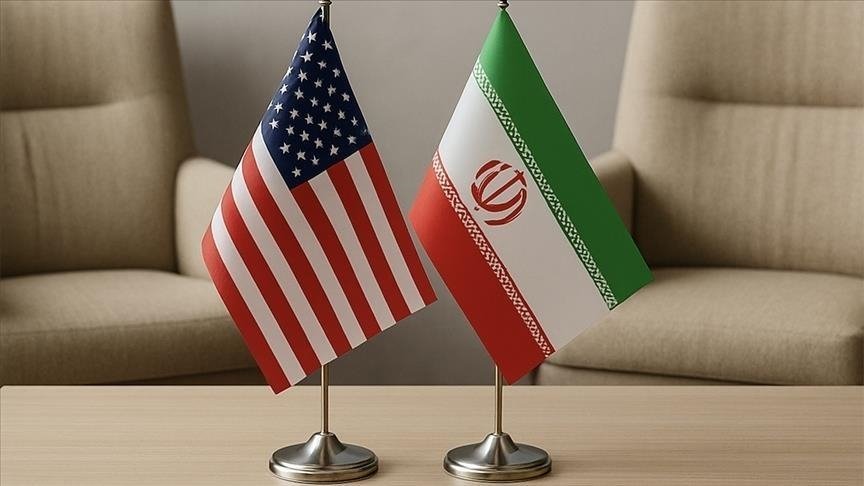
The talks, mediated by Oman, bring together U.S. envoy Steve Witkoff and senior American representatives alongside Iranian Foreign Minister Abbas Araqchi, marking the most consequential diplomatic engagement between Washington and Tehran in months. While discussions remain indirect, expectations are unusually high, as the outcome could determine not only the future of Iran’s nuclear program but also the broader security architecture of the Middle East.
U.S. President Donald Trump said he would remain “indirectly” involved in the negotiations, expressing cautious optimism that Tehran is prepared to reach an agreement. Speaking aboard Air Force One, Trump warned that Iran understood the consequences of diplomatic failure.
“I don’t think they want the consequences of not making a deal,” Trump told reporters, referencing earlier U.S. military action. “We could have had a deal instead of sending the B-2s in to knock out their nuclear potential.”
Last year’s escalation still looms heavily over the talks. A previous diplomatic push collapsed when Israel launched a bombing campaign against Iranian targets, later joined by U.S. B-2 stealth bombers striking nuclear-related facilities. Tehran subsequently announced it had halted uranium enrichment activities, though Western officials remain skeptical about the extent and durability of the pause.
Adding urgency to the negotiations, another U.S. aircraft carrier has quietly joined an already sizable American carrier strike group in the region, signaling Washington’s readiness to escalate militarily if diplomacy fails. Two U.S. officials told Reuters the Pentagon is preparing contingency plans for sustained operations against Iran should Trump authorize military action.
The growing military presence has intensified pressure on Tehran while simultaneously raising fears of miscalculation. Iran began large-scale naval drills in the Strait of Hormuz this week — a strategic waterway through which roughly a fifth of global oil shipments pass — underscoring its ability to disrupt international energy supplies if tensions spiral into conflict.
Energy markets reacted cautiously. Benchmark Brent crude prices drifted slightly lower during Asian trading as investors weighed the competing risks of potential supply disruption against hopes that negotiations could reduce regional tensions.
A senior Iranian official said Tehran entered the Geneva talks with “genuine and constructive proposals,” stressing that progress would depend on Washington lifting sanctions and avoiding what Iran views as unrealistic demands.
For Iran, sanctions relief remains the central objective. Years of economic pressure have severely constrained oil revenues and contributed to a deep cost-of-living crisis that has fueled widespread domestic protests. Iranian authorities suppressed demonstrations at significant human cost, leaving the leadership politically weakened but determined to secure economic breathing space through diplomacy.
Washington, however, is seeking broader concessions. U.S. officials have indicated they want negotiations expanded beyond nuclear restrictions to include Iran’s ballistic missile program and regional activities — conditions Tehran has repeatedly rejected. Iranian negotiators insist discussions must remain limited to nuclear issues and sanctions relief, maintaining that uranium enrichment for civilian purposes is a sovereign right under the Nuclear Non-Proliferation Treaty.
The negotiations also unfold against a complex geopolitical backdrop. Gulf Arab states, wary of another regional conflict, have quietly urged both sides to prioritize diplomacy. Meanwhile, Israel continues to warn that Iran’s nuclear capabilities pose an existential threat, maintaining longstanding ambiguity over its own alleged nuclear arsenal.
International Atomic Energy Agency Director General Rafael Grossi met Araqchi in Geneva ahead of the talks to discuss technical cooperation and verification mechanisms, signaling that monitoring arrangements will be central to any potential agreement.
Diplomats say the talks represent a rare convergence of necessity for both sides. The United States faces mounting regional instability and global energy uncertainty, while Iran confronts economic strain and domestic unrest. Neither government appears eager for another military confrontation that could ignite a wider regional war.
“The world’s eyes are on Geneva,” said one European diplomat observing the process. “The future stability of the Middle East may well depend on whether these talks succeed.”
As negotiators entered the Omani ambassador’s residence under heavy security, expectations remained cautious but unmistakably urgent. With warships positioned, oil markets watching, and regional powers anxiously awaiting outcomes, the Geneva talks have evolved into more than a nuclear negotiation — they have become a defining test of whether diplomacy can still prevail over escalation in one of the world’s most volatile regions.