



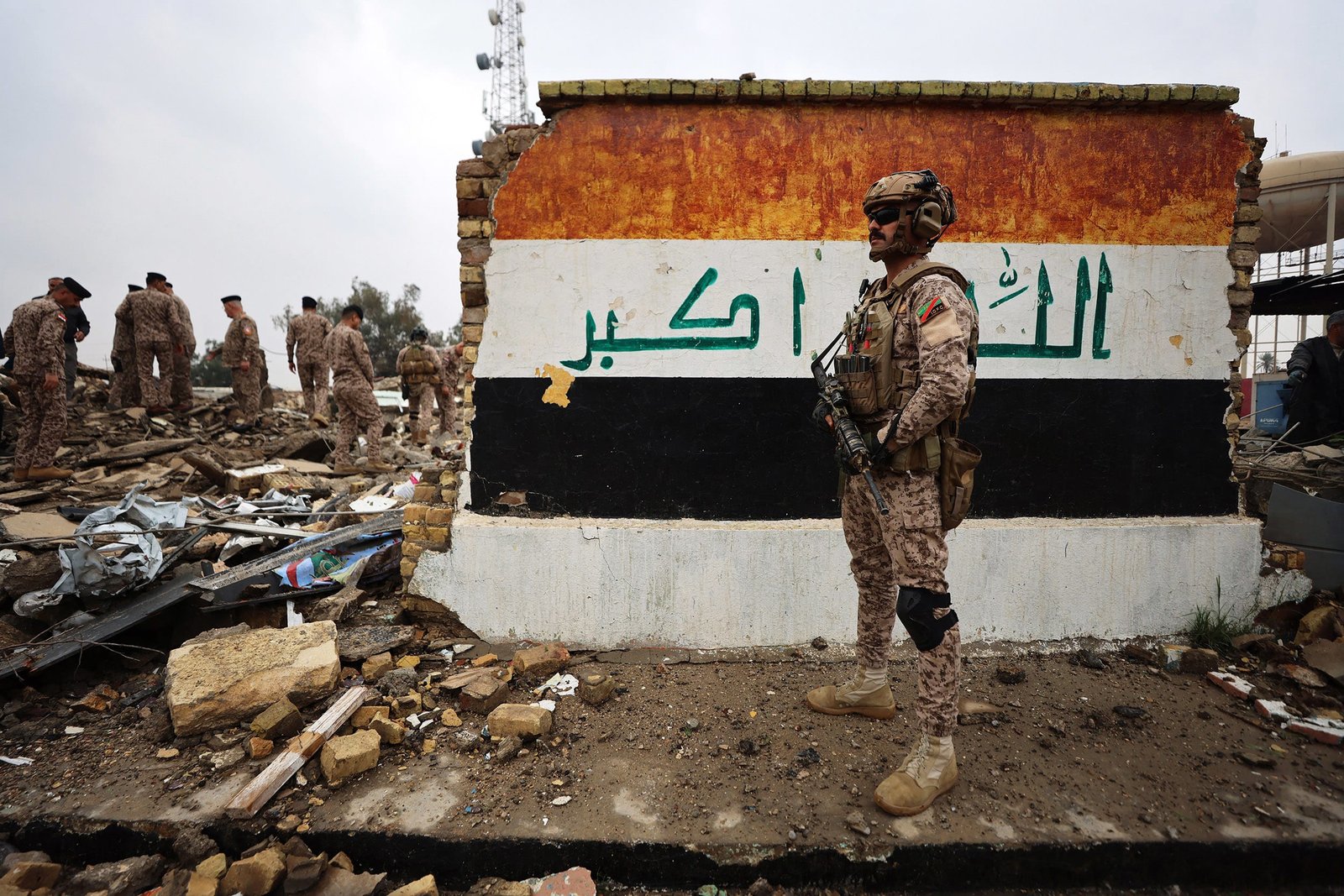
- Iran attack on Saudi air base leaves at least 10 U.S. troops wounded, two critically
- Pakistan evaluating response under Saudi defense pact amid rising tensions
- Strategic Prince Sultan Air Base targeted, damaging U.S. refueling aircraft
- Escalation signals broader regional conflict risk involving multiple global powers
A significant escalation in the ongoing Iran war unfolded on Friday as an الإيراني strike targeted Saudi Arabia’s Prince Sultan Air Base, injuring at least 10 U.S. troops and damaging critical military assets, according to American defense officials. The development underscores a widening arc of instability across the Middle East—one that now risks pulling in new regional actors, including Pakistan.
According to officials familiar with the incident, two of the wounded American personnel are in serious condition. The attack also damaged at least two U.S. Air Force refueling aircraft stationed at the base, a strategic hub for coalition operations in the region. While the full extent of the damage remains unclear, the strike has raised alarm bells in Washington and allied capitals over Iran’s sustained offensive capability.
The targeted installation, Prince Sultan Air Base, is among the most fortified U.S. military facilities in the الخليج region. Yet, despite weeks of intense U.S. and Israeli strikes on Iranian military infrastructure—reportedly exceeding 16,000 targets—Tehran has demonstrated its ability to retaliate with precision and persistence.
Tomhawk Missile Usage: Record Tomahawk Missile Usage Raises Strategic Alarms Across Pentagon
The conflict, which erupted on February 28, has already left more than 300 U.S. troops wounded and 13 dead under what the Trump administration has dubbed “Operation Epic Fury.” While most injured personnel have returned to duty, the continued targeting of American and allied positions signals that Iran’s missile and drone arsenal remains far from neutralized.
At least 10 U.S. troops wounded in Iranian attack on Saudi air base
Speaking in Miami, U.S. President Donald Trump reiterated his administration’s stance, claiming that thousands of Iranian targets remain and could be “dealt with quickly.” At the same time, Washington has expanded its military footprint in the region and warned of potential strikes on Iran’s energy infrastructure if Tehran refuses to concede in ongoing negotiations.
However, behind the rhetoric of imminent victory, diplomatic signals suggest a far more complex reality. Regional diplomats indicate that negotiations remain stalled, with no clear consensus on a framework for talks. As one senior diplomat noted, wartime narratives are often shaped as much by positioning as by ground realities.
Pakistan-Mediated Talks: Strategic Breakthrough Forces U.S. to Halt Iran Energy Strikes
Amid this volatile backdrop, a new and potentially decisive dimension is emerging—Pakistan’s strategic calculus.
According to sources privy to developments, The Islamabad Telegraph has learned that Pakistan is closely evaluating the Iranian strike on Saudi territory, particularly in light of its longstanding defense pact with Riyadh. The agreement stipulates that an attack on either country would be treated as an attack on both, raising the stakes of Islamabad’s potential involvement.
This is the first time Saudi Arabia has come under direct attack in the current conflict, placing the bilateral defense framework under unprecedented strain. Pakistani security officials are said to be in continuous contact with their Saudi counterparts, assessing both the scale of the attack and the appropriate response.
High Stakes: Israel’s Gallant Seeks U.S. Support Amid Gaza Humanitarian Crisis
While no formal statement has yet been issued, indications suggest that Islamabad is adopting a cautious but firm approach—balancing its commitment to Saudi Arabia with the broader imperative of regional stability. Military and diplomatic channels remain actively engaged, with contingency planning reportedly underway.
The evolving situation places Pakistan at a critical crossroads. Any direct involvement would not only reshape the military dynamics of the conflict but also carry profound geopolitical implications, potentially transforming a regional الحرب into a broader multinational confrontation.
Meanwhile, analysts warn that Iran’s ability to sustain such strikes reflects a deeper strategic resilience. Despite sustained bombardment, Tehran retains a significant stockpile of short-range ballistic missiles and armed drones, enabling it to project power across the Middle East. This capability has repeatedly challenged U.S. defensive systems, particularly against low-cost, high-impact drone warfare.
Turkey’s Balancing Act: Navigating Complex Relations with Russia and Ukraine Amid Ongoing Conflict
The attack on Prince Sultan Air Base also highlights vulnerabilities in even the most advanced الدفاع networks, raising urgent questions about force protection and escalation management.
As the war enters its fifth week, the خطوط المعركة are no longer confined to Iran and its immediate adversaries. With Saudi Arabia now directly targeted and Pakistan weighing its obligations under a mutual defense pact, the conflict risks entering a far more dangerous phase—one where alliances, not just العسكرية capabilities, will determine the trajectory of the crisis.
For now, all eyes remain on Islamabad and Riyadh, as the region braces for what could be the next निर्णायक move in an already volatile war.