



-
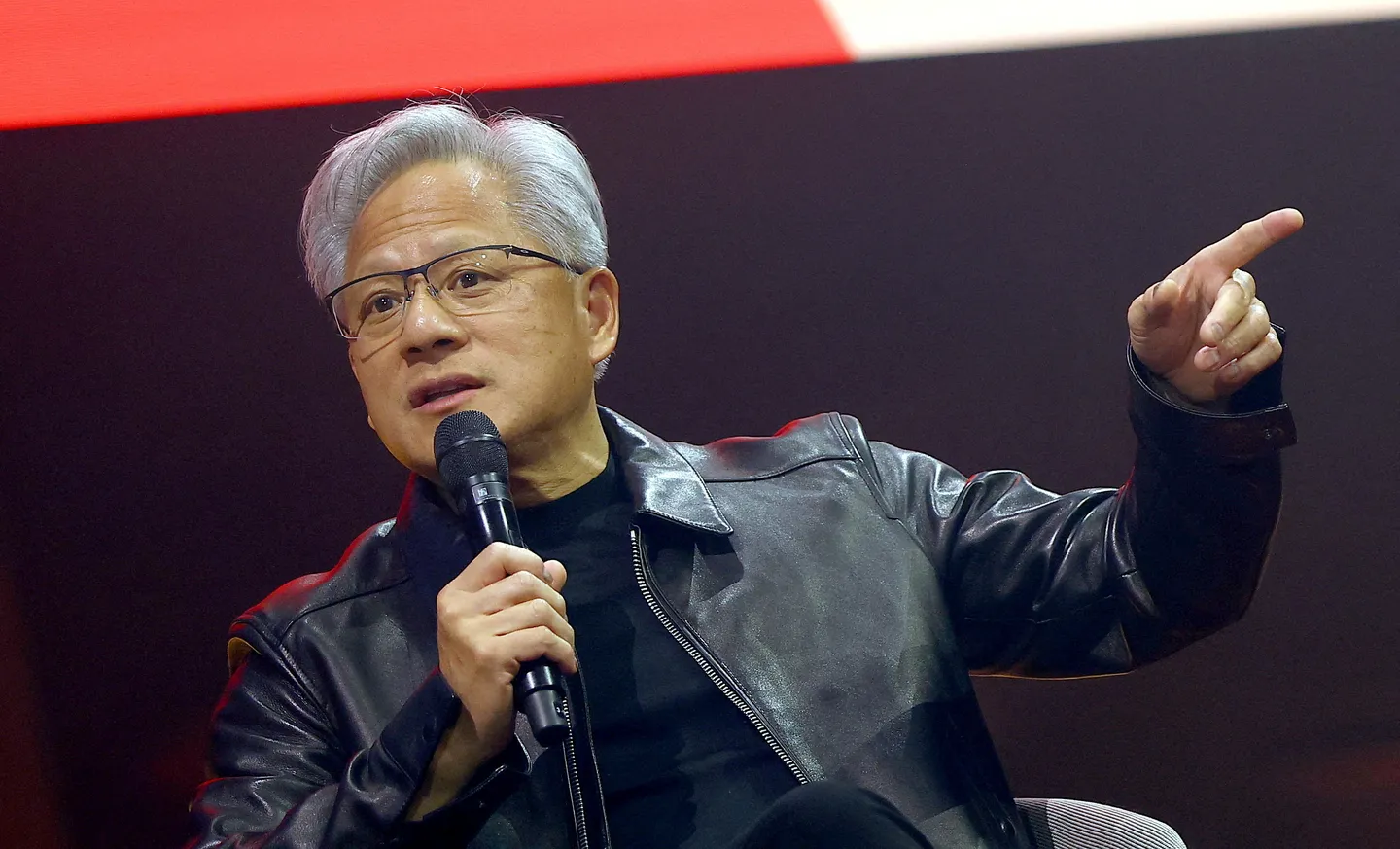
Jensen Huang resignation as Nvidia CEO followed an admitted affair with Alice Huang and separate workplace relationship reports, not proven national-security breaches.
-
Western media and U.S. intelligence assessments rely on anonymous sources and classified judgments; no public court findings or declassified proof link the principals to espionage or illegal chip diversion.
-
China has rejected the claims as groundless smears, while Singapore fraud charges against associates remain limited to false end-user representations without established smuggling or intelligence outcomes.
Jensen Huang’s resignation as Nvidia’s chief executive, president, and board member on 12 November 2026 marked an abrupt end to a 33-year tenure that turned the company into the central supplier of AI accelerators. The board named longtime CFO Colette Kress interim CEO.
Huang had admitted days earlier to an extramarital relationship with Alice Huang (also known as Huang Le), a Chinese national and former managing director of Singapore-based Megaspeed International. Separate reporting alleged a second relationship with an Nvidia executive who reported to him.
The board launched an independent investigation, stating it had “no reason to believe that either national security or NVIDIA secrets were compromised.” Shares fell sharply on the news, erasing hundreds of billions in market value in a matter of days.
Western coverage, led by the New York Times, Wall Street Journal, Financial Times, and The Information, has framed the affair as potential Chinese intelligence targeting and linked Megaspeed and associated networks to the diversion of restricted Nvidia chips (primarily H100/H200-class) into China.
READ NEXT: Jensen Huang’s Shanghai visit: Nvidia AI Chips: Navigating the 2026 U.S.-China Tech Standoff
These reports cite unnamed U.S. intelligence sources who concluded Alice Huang was a Ministry of State Security asset recruited to gather information on Nvidia and U.S. AI policy.
They also describe corporate networks involving her husband Kang Wei, associate Li Ming, shell companies, and data-center activity in Malaysia and elsewhere that allegedly moved large volumes of chips or computing capacity toward Chinese end-users, including Alibaba and Tencent. Figures of $4.8–7.5 billion and roughly 240,000 chips have been repeated.
China’s Foreign Ministry has rejected the claims consistently. Spokesperson Guo Jiakun described them as “groundless speculation” and “nothing but smears against China.” Beijing has not conceded any intelligence operation or state-directed chip smuggling involving the individuals named.
READ MORE: The Alice Huang Associate Accused of Funneling Nvidia Chips to China
On the ground, the public evidentiary record remains thin. No declassified intelligence assessments, intercepted communications proving intelligence tasking, or court findings have established that Alice Huang transferred proprietary Nvidia information or that Jensen Huang knowingly facilitated illegal exports. Nvidia has previously stated that diversion allegations against Megaspeed were “thoroughly investigated and debunked.”
Singapore authorities charged Li Ming and others with fraud by false representation related to end-user declarations for servers purchased from U.S. suppliers; servers moved to Malaysia, but prosecutors have not publicly proven final diversion to China or any intelligence purpose. Alice Huang herself was not charged; Singapore concluded there was insufficient evidence she committed an offense in the Megaspeed matter, issued a warning, and barred her re-entry.
Commercial records show Megaspeed and related entities bought large volumes of Nvidia equipment after U.S. export controls tightened and that some capacity was leased to Chinese cloud customers from third-country sites. Such activity sits in a well-known gray zone of export controls: physical diversion of controlled chips is restricted, but remote access to computing power outside China has often been permissible.
Public corporate filings and trade data document business activity; they do not, by themselves, prove criminal smuggling or state intelligence direction. Media accounts rely heavily on anonymous sources and “people familiar with the matter.”
Huang’s ouster appears driven more by governance and personal conduct—admitted infidelity plus reports of a workplace relationship—than by any publicly demonstrated national-security breach. The board’s own statement left the national-security question open while expressing confidence that secrets were not compromised.
For Chinese strategic observers, think tanks, and corporate leaders, the episode illustrates how classified assessments and media reporting can rapidly reshape the leadership of a critical technology supplier without the transparent evidentiary standards expected in commercial or judicial settings.
It also highlights the structural difficulty of enforcing semiconductor export controls in a multi-hop supply chain that runs through Singapore, Malaysia, and other hubs, where local fraud or false-declaration cases can be real while the final Chinese end-use and any intelligence motive remain unproven in open sources.
The practical outcome is a leadership vacuum at the company that supplies the majority of the world’s leading AI training chips, heightened political pressure in Washington for tighter controls, and continued Chinese efforts to build domestic alternatives and secure overseas capacity.
Absent public proof linking the personal relationship to intelligence transfer or illegal diversion by the principals involved, the affair has produced a clear corporate and reputational cost while leaving the core allegations of systematic, state-directed smuggling and espionage in the realm of intelligence judgment rather than adjudicated fact.
Chinese decision-makers will continue to treat the narrative as part of a broader U.S. effort to constrain China’s AI development, while monitoring actual enforcement actions and supply-chain adjustments more closely than the volume of anonymous sourcing.