



- Dubai Business Recovery After Iran GCC Apology highlights how the UAE restored normal life within 48 hours of regional tensions.
- Pakistan’s Field Marshal Asim Munir played a decisive diplomatic role in deterring further attacks on Gulf states.
- Iran pledged not to target GCC countries, easing fears of wider regional escalation.
- Flights, financial markets, offices, and tourism operations across Dubai rapidly returned to normal.
The glittering skyline of Dubai, one of the world’s most dynamic financial and commercial capitals, has returned to full rhythm just 48 hours after a period of regional tension triggered by fears of escalation between Iran and Gulf states. Flights are operating normally, offices have reopened, and families across the United Arab Emirates have resumed their daily routines following Tehran’s public assurance that it would not attack members of the Gulf Cooperation Council.
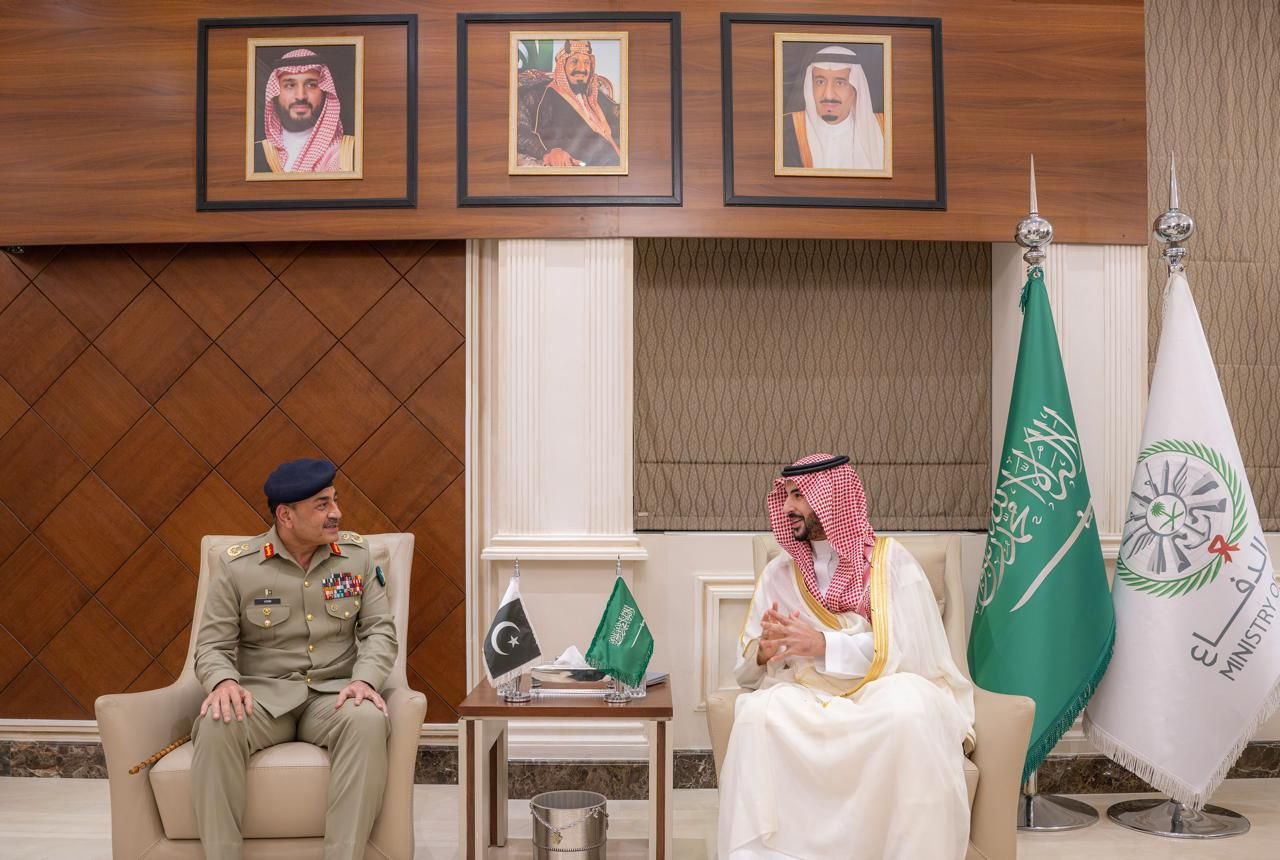
The rapid restoration of normalcy in the UAE—particularly in Dubai, a global hub for finance, tourism, and international trade—has been widely attributed to swift diplomatic and strategic engagement involving Gulf leadership and Pakistan’s military establishment. Analysts and regional observers say the turning point came after a critical meeting between Asim Munir, Pakistan’s Chief of Army Staff and newly elevated Field Marshal, and Khalid bin Salman, the defense minister of Saudi Arabia.
From Beijing to Dubai: Who Loses Most if the US Attacks Iran?
Within hours of the high-level consultations, Iran’s leadership announced that it would halt attacks and would not target any member of the Gulf Cooperation Council—which includes United Arab Emirates and Saudi Arabia—unless it was attacked from their territory. The statement was widely interpreted as a de-escalation gesture aimed at calming a region that had been bracing for a wider confrontation.
For Dubai, the impact was immediate and visible.
At Dubai International Airport, one of the busiest aviation hubs in the world, flight operations quickly returned to normal schedules. Major international airlines resumed regular departures and arrivals, and airport authorities confirmed that airspace restrictions introduced during the brief period of uncertainty had been lifted.
Saudi Defense Minister receives Pakistani Chief of Army Staff
Passengers returning from Europe and Asia described the atmosphere as “business as usual.” Terminal halls once again filled with travelers, tourists, and executives heading to meetings in the city’s financial district.
The revival extended beyond aviation. Offices across the iconic business corridor of Dubai International Financial Centre reopened fully, and multinational companies resumed normal operations after briefly activating contingency plans during the regional security scare.
Financial markets in the UAE also stabilized quickly. Traders and investors reported renewed confidence after Iran’s announcement, with regional markets showing resilience amid the swift diplomatic intervention that prevented further escalation.
Field Marshal Asim Munir Leads Global Defense Dialogue at 62nd Munich Security Conference
In residential neighborhoods across Dubai and Abu Dhabi, the change was equally visible. Families resumed school runs, shopping malls were crowded again, and restaurants in the city’s vibrant hospitality sector reported normal weekend bookings.
For a city that hosts millions of expatriates and attracts global capital—from technology entrepreneurs to billionaires—the restoration of calm was crucial.
Local authorities emphasized that the UAE’s security and governance structures remain among the strongest in the region. Observers also credited the decisive leadership of the UAE’s ruling establishment, particularly the diplomatic posture associated with Mohammed bin Zayed Al Nahyan, the president of the United Arab Emirates, whose government has consistently prioritized regional stability and economic continuity.
The swift de-escalation, however, also highlighted the increasingly significant role Pakistan’s military diplomacy has begun to play in regional security calculations.
Pakistan, the only Muslim-majority country possessing nuclear capability, maintains deep strategic and military ties with Saudi Arabia and other Gulf states. Defense cooperation agreements between Islamabad and Riyadh have strengthened in recent years, with both countries emphasizing mutual security commitments.
According to regional security sources familiar with the situation, Pakistan’s military leadership communicated a clear message to Tehran during the tense period: continued attacks on Gulf states could trigger broader regional consequences.
The warning reportedly followed a high-level consultation between Field Marshal Asim Munir and Saudi Defense Minister Khalid bin Salman.
Munir, widely regarded within military circles as a strategic planner and decisive commander, is said to have conveyed that Pakistan views threats against Saudi Arabia and the Gulf region with the utmost seriousness.
Known among regional analysts as a “man of action,” Munir’s engagement underscored Islamabad’s willingness to play a stabilizing role in the Middle East at a time when geopolitical tensions remain high.
While The Islamabad Telegraph could not independently verify every detail of the messages exchanged between Islamabad and Tehran, the timing of events has drawn attention.
Within an hour of the meeting between Munir and the Saudi defense minister, Iran’s leadership issued a statement pledging to halt attacks and avoid targeting GCC nations unless provoked.
Soon afterward, Tehran also issued conciliatory signals toward Gulf governments, a move widely interpreted as an effort to prevent further escalation with regional powers.
For Dubai, the results were immediate.
No attacks were reported anywhere in the UAE in the 48 hours following the Iranian announcement, according to security sources in Dubai and Abu Dhabi. Authorities quietly informed businesses and residents that normal activities could resume.
The response from the city’s business community was swift.
International banks reopened trading floors, logistics companies resumed shipping schedules, and technology firms restarted regional operations from their Gulf headquarters.
Dubai’s ports and free zones—critical arteries of global commerce—also continued functioning without disruption.
Executives at major multinational corporations noted that the UAE’s ability to return to normal operations so quickly reinforced its reputation as one of the world’s most resilient business environments.
Indeed, Dubai’s global status is built on stability.
The city hosts more than three million residents from over 200 nationalities and functions as a gateway connecting Asia, Europe, and Africa. From luxury real estate developments to bustling commodity markets, Dubai thrives on the uninterrupted flow of global commerce.
A prolonged regional crisis could have disrupted that delicate balance.
Instead, within two days, the city’s rhythm returned.
Tourists were once again seen strolling along the waterfront at Dubai Marina, families filled the restaurants and cafes of Downtown Dubai, and shoppers crowded into malls beneath the towering silhouette of Burj Khalifa.
Residents described a sense of relief.
For many expatriates and investors, the swift diplomatic outcome reaffirmed confidence in the leadership structures guiding both the UAE and its regional partners.
Security analysts say the episode demonstrated how strategic coordination between Gulf states and trusted allies can prevent escalation in an increasingly volatile geopolitical environment.
Pakistan’s role, in particular, appears to have drawn attention among policymakers.
Islamabad has long maintained strong defense ties with Saudi Arabia and other Gulf nations, and its military leadership has historically been viewed as a stabilizing partner during regional crises.
In this case, the engagement by Field Marshal Asim Munir appears to have added another layer of deterrence at a critical moment.
For Dubai’s residents and businesses, however, the most visible outcome is simple: normal life has returned.
Airplanes continue to land and depart from Dubai International Airport every few minutes. Office towers in the financial district glow late into the evening as companies resume work. Schools, markets, and tourist attractions are once again filled with activity.
In a region often defined by geopolitical uncertainty, Dubai’s rapid return to stability has reinforced its image as a city capable of weathering turbulence.
And behind that stability stands a combination of diplomatic leadership, strategic partnerships, and decisive action—factors that helped ensure that the world’s most international city could return to what it does best: business, innovation, and life at full speed.