


-
US Attacks Iran: American naval and air units are ready to launch a potential attack on Iran, putting President Trump in control of a decision that could reshape Middle East geopolitics.
-
Iran’s Economy Faces Collapse: A U.S. attack threatens to disrupt Iran’s trade and energy exports, endangering economic stability and sending shockwaves through global oil markets.
-
Major Trade Partners at Risk: Countries like China, UAE, Iraq, Turkey, and India could incur billions in losses due to halted Iranian oil, energy supplies, and cross-border trade.
-
Global Trade and Energy Shock: Disruption of shipping routes, including the Strait of Hormuz, could trigger worldwide trade instability, rising oil prices, and inflation in energy-dependent economies.
The possibility of a United States military strike on Iran is no longer theoretical. Multiple reports indicate that American forces have completed operational preparations, positioning naval strike groups, advanced fighter aircraft, and ground-support assets across the Middle East. U.S. military planners have informed President Donald Trump that forces are ready to launch coordinated attacks from sea and air at short notice, placing the final decision squarely in the hands of the White House.
Trump Iran Nuclear Deal Faces One-Month Deadline as Military Pressure Escalates
Washington has already deployed one of the largest regional military buildups since the Iraq War, including two aircraft carrier strike groups and dozens of F-22 and F-35 fighter jets. Officials say the deployment gives the Pentagon the capability to conduct sustained deep strikes against Iranian nuclear and military infrastructure if diplomacy collapses.
US renews threat of military action as Iran, Russia announce naval drills
Despite the military readiness, Trump has not yet authorized an attack, weighing diplomatic outcomes against the risks of regional escalation and global economic disruption. Analysts warn that any strike would not only reshape Middle Eastern geopolitics but could trigger an immediate economic shock affecting Iran’s trading partners across Asia, Europe, and the Gulf.
The Economic Domino Effect: Iran’s Vulnerable Trade Network
Iran’s economy is deeply dependent on energy exports and regional trade corridors. Oil and gas account for the overwhelming share of export revenue, while imports rely heavily on neighboring commercial hubs. Even under sanctions, Iran remains a significant trading state, with exports valued at roughly $110 billion in 2024 and strong commercial links with Asia and the Middle East.
A U.S. attack would likely produce three immediate economic consequences:
-
Collapse of Iranian oil exports
-
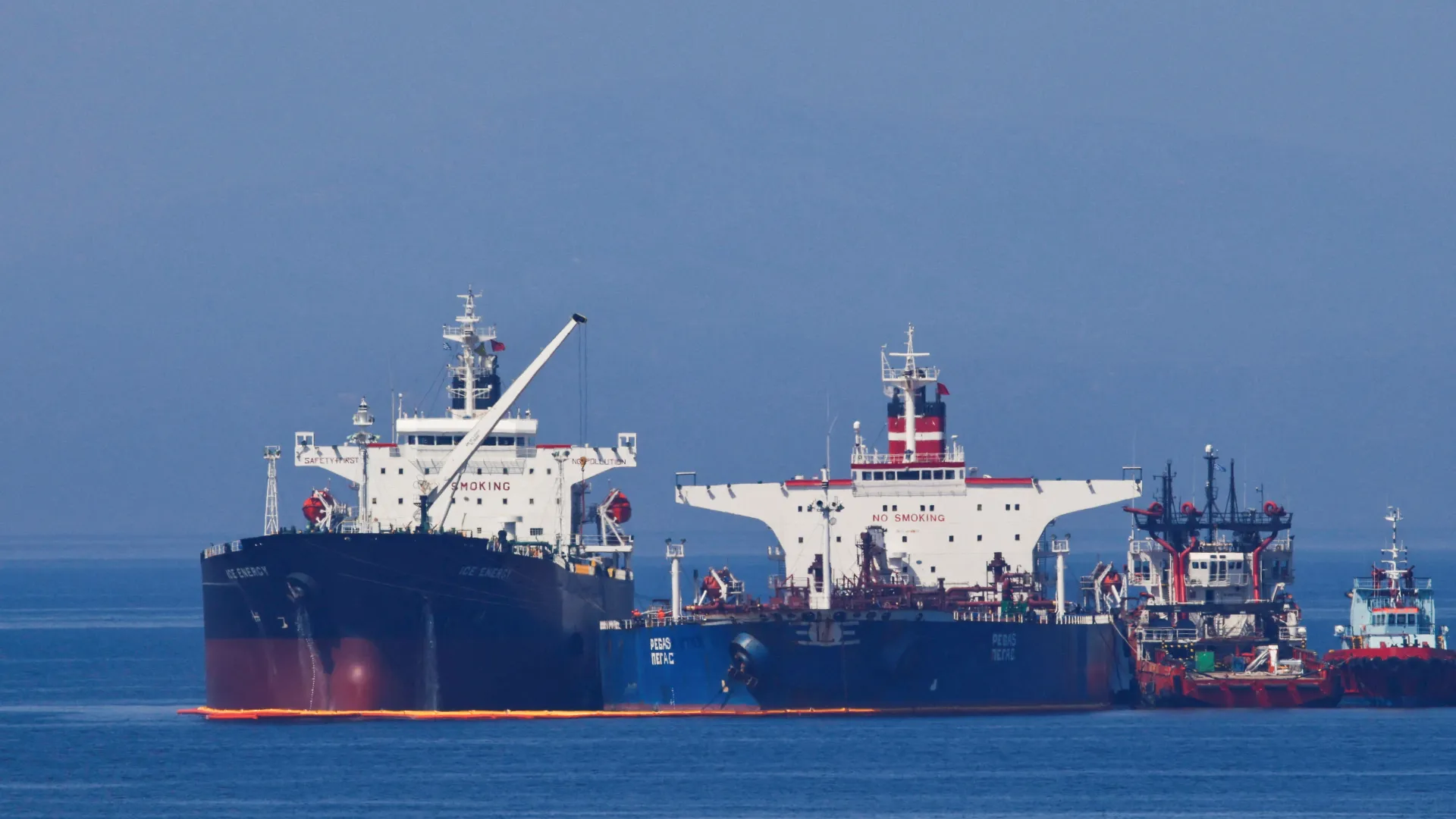
Disruption of shipping through the Strait of Hormuz
-
Sanctions escalation and financial isolation
Because Iran’s trade is concentrated among a limited group of partners, the economic shock would spread rapidly beyond its borders.
U.S.-Iran Talks Enter Critical Phase as Trump Sets One-Month Deadline and Military Pressure Mounts
Iran’s Biggest Trade Partners — Trade Volume and Expected Damage
Below is a breakdown of Iran’s major economic partners, bilateral trade volumes, and the potential losses they could face in the event of war.
1. China — Iran’s Largest Trade Partner
-
Total bilateral trade: about $32.4 billion annually
-
Iranian exports to China: roughly $22 billion, mostly oil
-
Share of Iranian exports: over 25–36%
Expected Damage:
China purchases the majority of sanctioned Iranian crude oil. A U.S. attack could halt shipments, forcing Beijing to replace discounted oil with higher-priced alternatives. Chinese refiners would face supply shocks, raising energy costs and disrupting petrochemical supply chains. Loss exposure could reach $15–20 billion annually through lost trade and higher import costs.
2. United Arab Emirates (UAE) — Iran’s Commercial Gateway
-
Trade volume: approx. $18 billion+
-
Accounts for about 40% of Iran’s imports
Expected Damage:
The UAE functions as Iran’s re-export hub, supplying machinery, electronics, and consumer goods. Conflict would freeze logistics, banking channels, and shipping routes across the Gulf. Dubai’s re-export economy could lose billions in transit trade, while maritime insurance costs would surge dramatically.
Estimated exposure: $10–15 billion trade disruption.
3. Iraq — Critical Energy and Border Trade Partner
-
Exports from Iran: around $7.4 billion annually
Expected Damage:
Iraq depends heavily on Iranian electricity, gas, food, and manufactured goods. War would disrupt cross-border infrastructure and energy supply, risking electricity shortages inside Iraq itself. Baghdad could face immediate economic instability and rising domestic energy prices.
Estimated losses: $5–7 billion, plus severe energy insecurity.
4. Türkiye (Turkey) — Energy and Industrial Trade Link
-
Bilateral trade: roughly $5–6 billion annually
Expected Damage:
Turkey imports Iranian energy while exporting machinery, metals, and food products. A conflict would interrupt pipelines and land trade routes, increasing Turkey’s energy import bill and inflation pressures.
Estimated exposure: $3–5 billion, alongside higher fuel costs.
5. India — Strategic Energy Buyer
-
Trade volume: about $5 billion annually
Expected Damage:
Although reduced by sanctions, India still relies on Iranian connectivity projects and energy access. War would disrupt regional shipping and raise global oil prices — a major blow to India’s energy-dependent economy.
Estimated indirect losses: billions through oil price spikes rather than direct trade collapse.
6. Pakistan and Regional Neighbors
-
Positive trade balance with Iran: about $1.2 billion
Expected Damage:
Border trade, electricity cooperation, and planned energy connectivity projects would stall. Pakistan could face fuel price pressures and border economic disruption, especially in Balochistan.
7. Russia and Other Emerging Partners
-
Growing trade ties in energy, agriculture, and defense cooperation
Expected Damage:
Russia could gain from higher oil prices but lose regional stability and transport connectivity projects linking Eurasian trade corridors.
US Attacks Iran: Global Consequences Beyond Iran
The real economic shock would extend far beyond bilateral trade figures. Nearly 20% of global oil shipments pass through the Strait of Hormuz, meaning any conflict threatening the waterway could trigger a worldwide energy crisis.
Oil prices would likely surge sharply, inflation would rise globally, and shipping insurance premiums could skyrocket. Asian economies — particularly China and India — would bear the heaviest indirect costs due to energy dependence.
A Decision With Global Economic Stakes
As U.S. forces stand ready and military planners finalize operational scenarios, the decision now rests with President Trump. Diplomacy remains officially on the table, but markets, governments, and energy traders are already preparing for disruption.
If an attack occurs, Iran’s economy would suffer immediate collapse pressures — yet the damage would not stop at its borders. From Beijing to Dubai, Ankara to Baghdad, Iran’s trade partners could face billions in losses, proving once again that in today’s interconnected world, war in one region quickly becomes an economic crisis for many.