



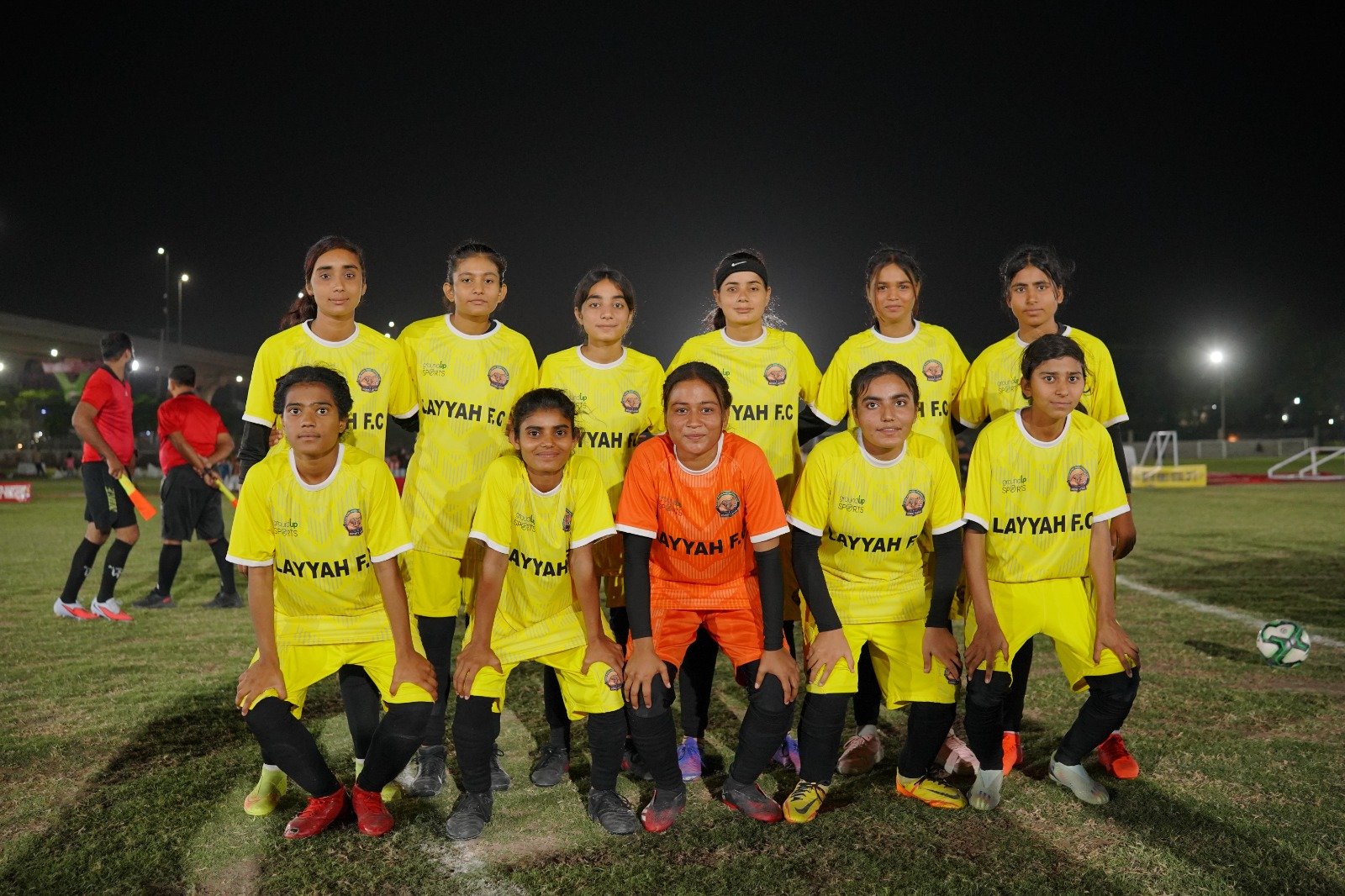
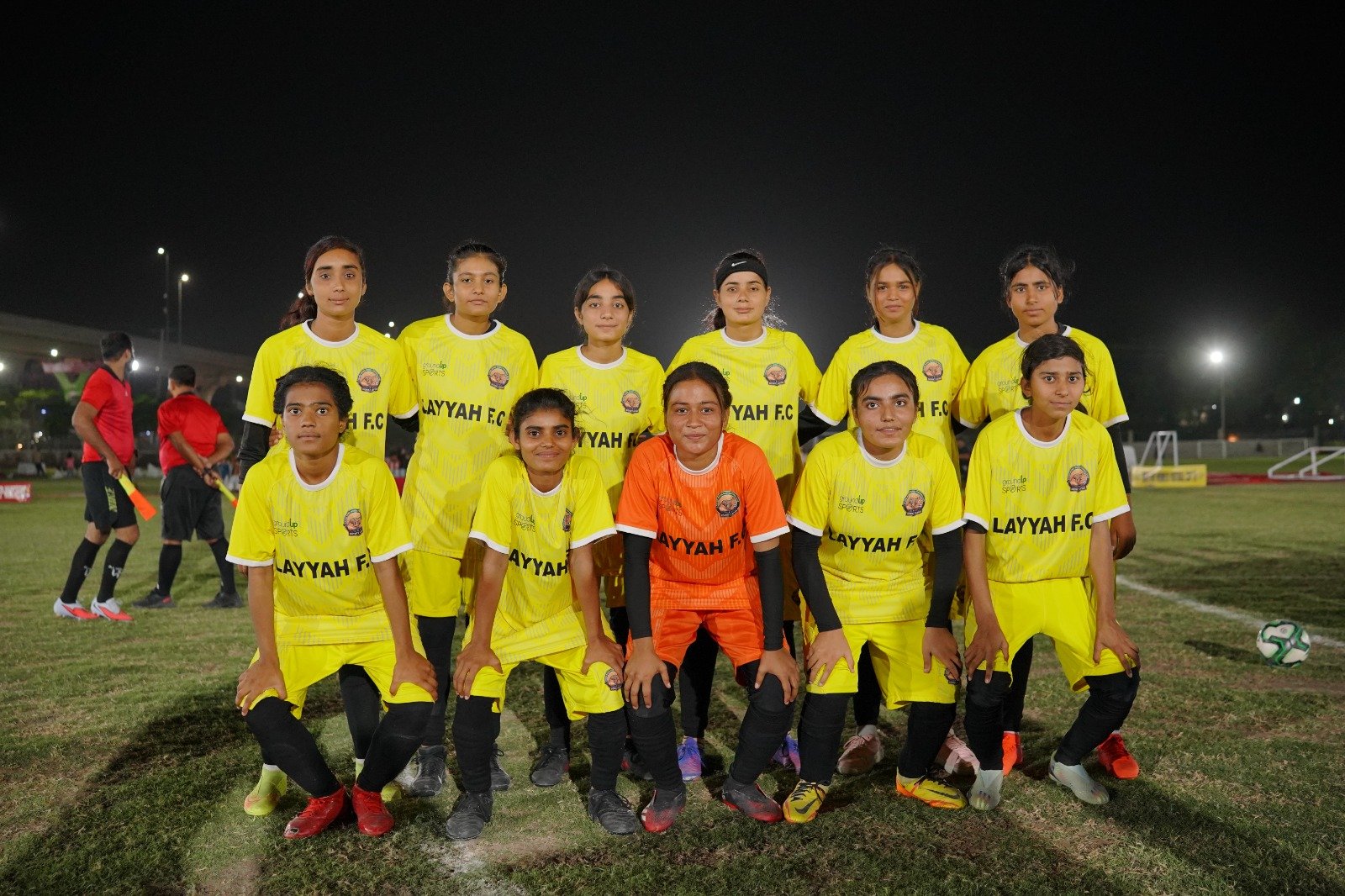
- Layyah Girls Football Team stunned audiences by finishing runners-up at the Multan Women Football Cup 2026 after a remarkable comeback journey.
- The team represents the only major women’s football presence from South Punjab’s DG Khan Division.
- Deputy Commissioner Layyah announced full government support, marking a turning point for women’s sports in the region.
- Backed by grassroots academy “A Goal to Dream,” the team is shaping the future of female footballers in Pakistan.
The final whistle cut sharply through the warm evening air in Multan, and for a fleeting moment, everything stood still.
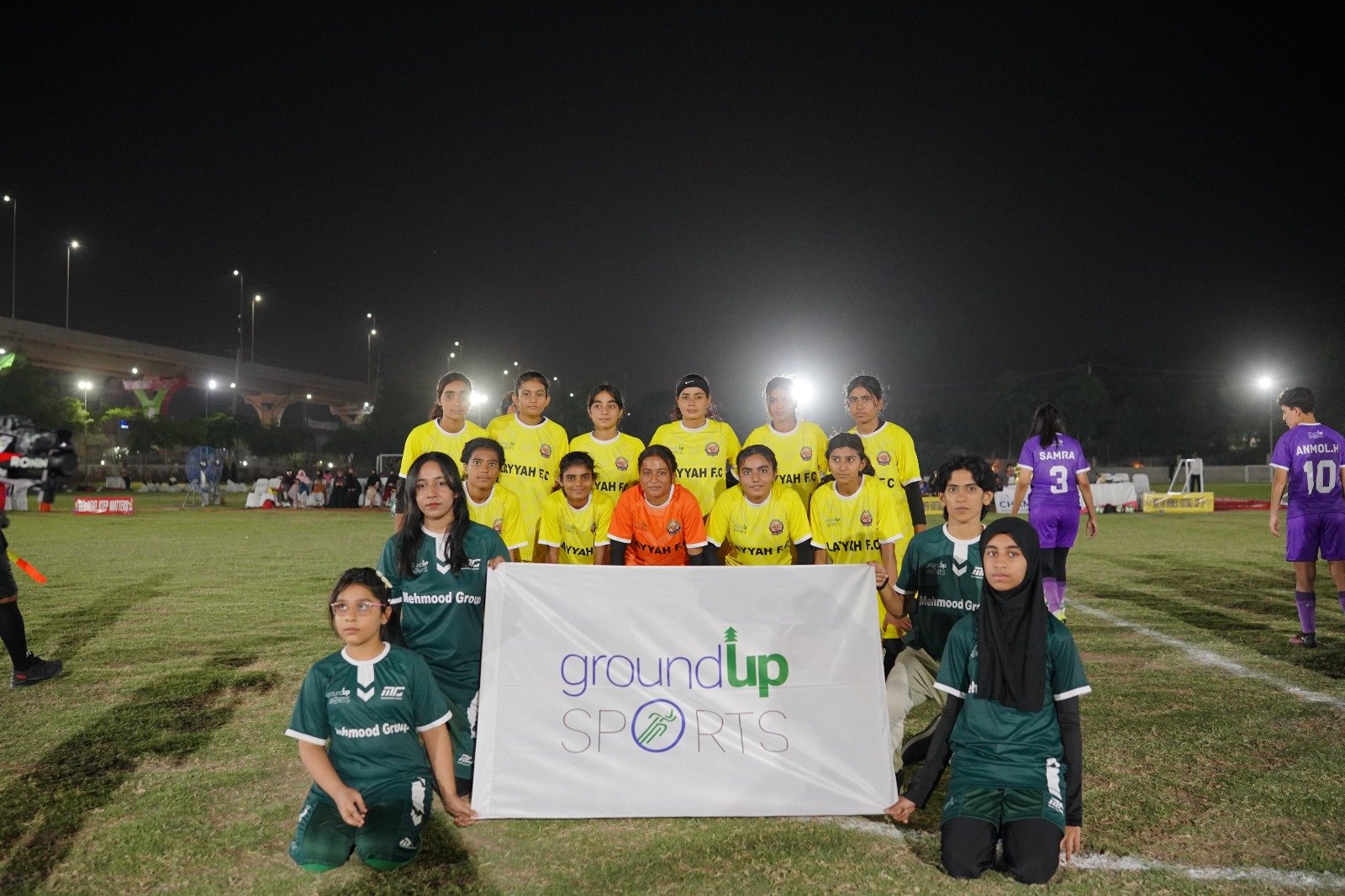
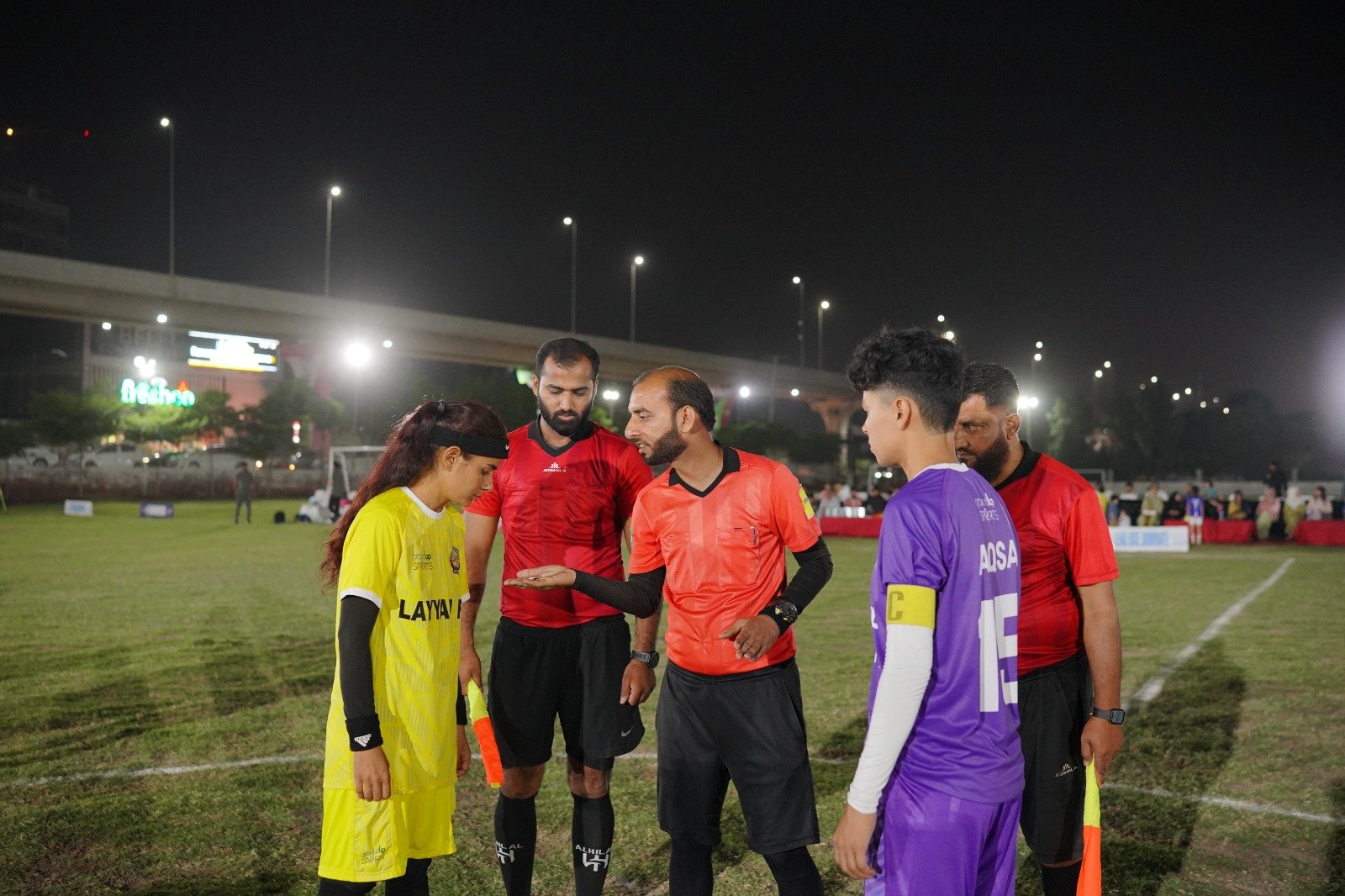
Under the floodlights, a group of young girls in bright yellow kits looked toward the scoreboard—runners-up. It was the kind of ending that usually brings silence, maybe even tears. But then, something unexpected unfolded.
They smiled. Then they ran.
Layyah Musical Night Marks Marka-e-Haq as Deputy Commissioner Asif Dogar Leads Historic Celebration of Pakistan’s Triumph
They rushed toward one another with unrestrained joy, arms wrapped tightly, laughter echoing across the ground. To the crowd, it was a scene both surprising and unforgettable. The champions stood composed, absorbing their victory with quiet pride—but it was the girls from Layyah who looked truly alive, as if they had just achieved something far greater than a title.
Because they had.
For these girls, finishing second in the Multan Women Football Cup 2026 was not a defeat—it was a declaration.
In Pakistan, cricket is not just a sport; it is a national obsession. Football exists, but often in the background, fighting for space and recognition. For young women, especially from regions like South Punjab, the journey into organized sport is even more difficult. Social expectations, limited infrastructure, and lack of exposure create barriers that few manage to overcome.
A Beacon of Hope in Pakistan’s Punjab: The Officer, The Starving Family, and a Call to Kindness
Yet, from the heart of Layyah—a district often absent from national sporting conversations—a team is rising. Not through privilege or polished systems, but through determination, resilience, and an unshakable belief in their dream.
Their journey in Multan began with adversity. A loss in the opening group-stage match could have easily shattered their confidence. For many teams, such a setback becomes a psychological burden, one that is hard to shake.
But this team refused to be defined by a single result.
They regrouped with quiet focus. Training sessions became sharper. Communication on the field improved. And when they returned for their next match, they looked transformed—not just in skill, but in spirit.
South African giants Kaizer Chiefs enter exciting new era after launch of women’s team
Their defining breakthrough came against the host team from Multan. Playing against local favorites, backed by a supportive crowd, Layyah’s girls were expected to falter. Instead, they delivered a performance that stunned spectators and shifted the narrative of the tournament.
It was not just a win. It was a statement.
From there, momentum carried them forward. In the semi-finals, they displayed discipline and tactical awareness that belied their experience. Every pass, every interception, every sprint reflected a team growing in confidence with each passing minute.
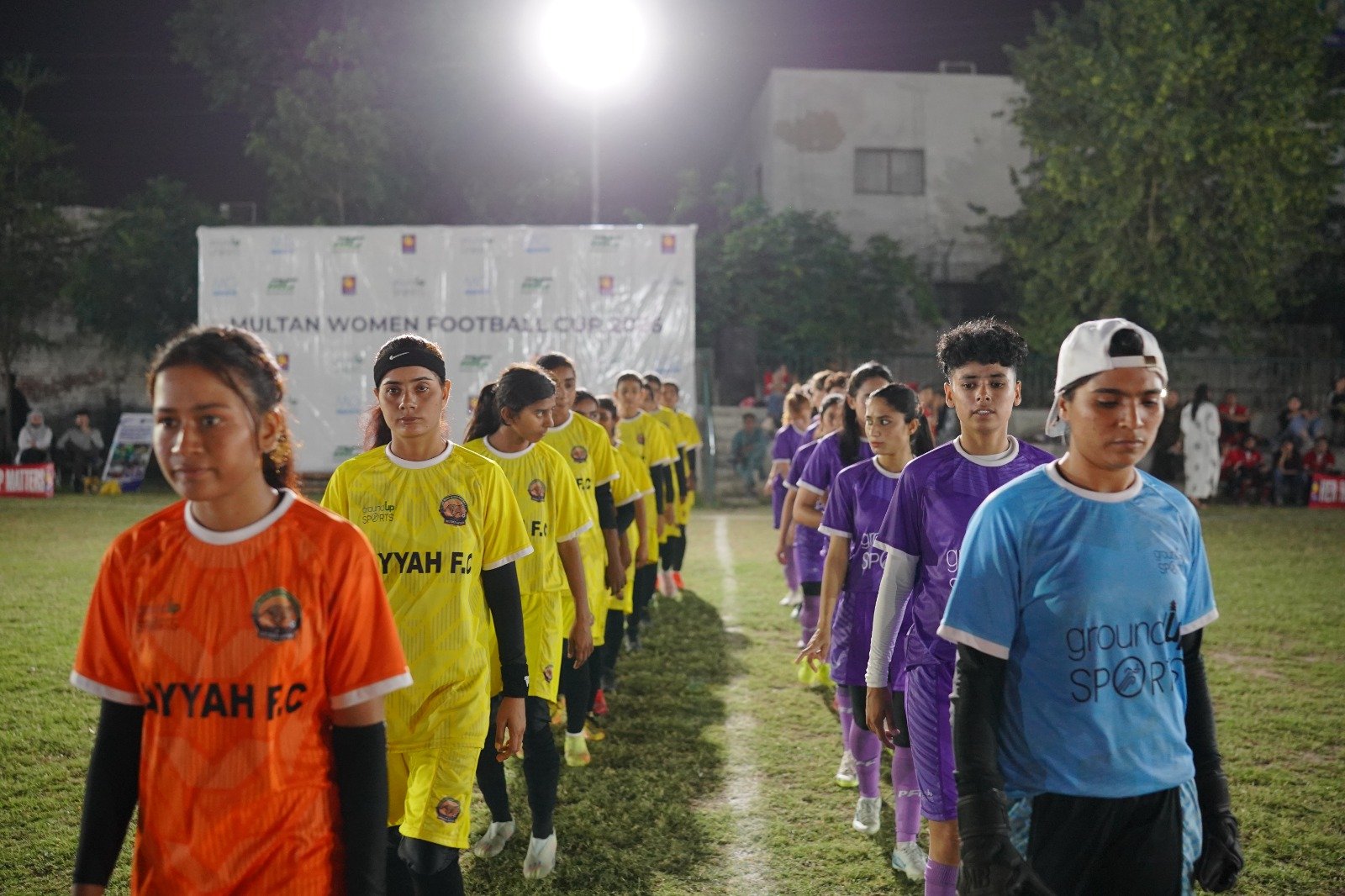
By the time they reached the final, they were no longer underdogs—they were contenders.
The final match itself was intense and emotionally charged. Facing a more established side, Layyah’s players held their ground with remarkable composure. They defended with structure, attacked with intent, and played with a unity that comes only from shared struggle.
When the match ended, they had fallen just short.
But what followed redefined the meaning of success.
Back in Layyah, their return was met not just with applause, but with recognition at the highest local level. The Deputy Commissioner of Layyah personally received the team, turning what could have been a routine acknowledgment into a moment of historic significance.
In a heartfelt meeting, he commended the players for their extraordinary achievement, describing their performance as a source of pride for the entire district. He spoke not only of their results, but of the courage it took to reach that stage—the long journeys, the limited facilities, and the societal barriers they had quietly defied.
He made it clear that their success had changed perceptions.
More importantly, he pledged full administrative support for the future—promising improved facilities, structured backing, and opportunities that would allow these players to grow and compete at even higher levels. It was not just an endorsement; it was an institutional commitment to a movement that had proven its worth.
For the players, this moment carried immense weight. It was validation—not just of their performance, but of their struggle.
Behind their rise stands the “A Goal to Dream – Layyah Academy,” a grassroots initiative that has become the backbone of women’s football in the region. Established to provide a safe and structured environment for young girls, the academy operates with a clear mission: to empower through sport.
Under the mentorship of a former Pakistan Women’s National Team player, the training is not only professional but deeply purposeful. Players are taught discipline, teamwork, and tactical awareness, but also leadership and confidence—qualities that extend far beyond the football field.
What makes this model even more compelling is its sustainability. Young players are gradually being prepared to take on coaching roles, ensuring that the next generation will have mentors who understand their journey firsthand. It is a system designed not just to produce athletes, but to build a lasting ecosystem.
International support from organizations like Fondazione Milan, along with partnerships with local entities such as PPG Sports, has further strengthened this foundation. Yet, the true strength of this movement lies in its roots—in the communities of Layyah, where families and supporters are beginning to see football not as an exception for girls, but as a possibility.
The achievements of this team extend beyond a single tournament. They have already secured a national-level championship in Islamabad and now a runners-up finish in Multan—an impressive record for a team that represents the only major women’s football presence from the DG Khan Division.
Their story resonates far beyond Pakistan. It is a reminder that talent is universal, even if opportunity is not. It speaks to the transformative power of sport—to challenge norms, to inspire communities, and to create pathways where none existed.
As the memory of that night in Multan lingers, one image remains clear: a group of girls in yellow, celebrating not what they lost, but what they had achieved.
They did not lift the trophy.
But they lifted expectations.
And in doing so, they announced their arrival—not just as participants, but as pioneers.
This is not the end of their story.
It is only the beginning.