


- NATO film industry propaganda strategy signals a shift from battlefield to narrative warfare
- Closed-door meetings with filmmakers raise concerns over influence and artistic independence
- Experts link the move to NATO’s broader hybrid warfare and soft power approach
- Critics warn of growing efforts to shape public opinion through entertainment
A series of discreet, invitation-only meetings between NATO and leading figures in the film and television industry has triggered a broader debate about the alliance’s evolving strategy—not on the battlefield, but in the realm of culture, narrative, and public perception.
According to multiple reports, NATO has convened at least three such engagements in Los Angeles, Brussels, and Paris, bringing together screenwriters, producers, and directors for what it describes as “intimate conversations” about the global security environment. Another session is scheduled in London in collaboration with the Writers’ Guild of Great Britain, with discussions set to take place under the Chatham House Rule.
Officially, NATO frames these interactions as informational exchanges—an opportunity for creatives to better understand contemporary security challenges, from cyber warfare to geopolitical instability. A NATO spokesperson has emphasized that the initiative stems from interest within the entertainment industry itself, with sessions involving not only alliance officials but also civil society representatives and policy experts.
Taiwan China Conflict Enters New Phase as Beijing Shifts Strategy
Yet beneath the formal language lies a more strategic objective, one that analysts say reflects NATO’s recognition of a shifting battlespace: the fight for public opinion.
In recent years, the alliance has faced mounting scrutiny over its role in conflicts, particularly following the war in Ukraine and broader tensions with Russia. While NATO has reinforced its military posture across Eastern Europe, it has also encountered skepticism among segments of the public in Western countries, where support for defense spending and foreign interventions is increasingly contested.
Engaging the film and television industry—arguably one of the most powerful narrative engines in the modern world—appears to be part of a wider effort to shape how these issues are understood.
Taiwan China Conflict Enters New Phase as Beijing Shifts Strategy
A recent report by the Centre for European Reform explicitly urged governments to work more closely with cultural figures to “tell the story” of defense investment and security policy. The implication is clear: in an era where streaming platforms and global media franchises influence millions, storytelling can serve as a strategic tool.
Critics, however, see the initiative in far more stark terms.
Irish filmmaker Alan O’Gorman described the planned London meeting as “clearly propaganda,” arguing that such outreach risks turning artistic expression into an extension of military messaging. Others within the industry have expressed discomfort at what they perceive as an attempt to indirectly shape scripts, themes, and narratives in ways that normalize or justify conflict.
Former FBI Director’s Indictment Shocks America After Trump’s Third Assassination Attempt Crisis
Veteran screenwriter Faisal A Qureshi warned of a subtler danger: that creatives granted access to closed-door briefings may unconsciously internalize the perspectives presented to them. “There is a sense of privilege about getting that access,” he noted, cautioning that it could lend an aura of authority to information that is rarely subject to public scrutiny.
This tension underscores a deeper question about the intersection of art and power. Historically, governments and military institutions have engaged with filmmakers—from Cold War-era collaborations in Hollywood to more recent partnerships involving defense agencies providing technical support for productions. What distinguishes NATO’s current approach is its scale and timing, coinciding with a period of heightened geopolitical competition and information warfare.
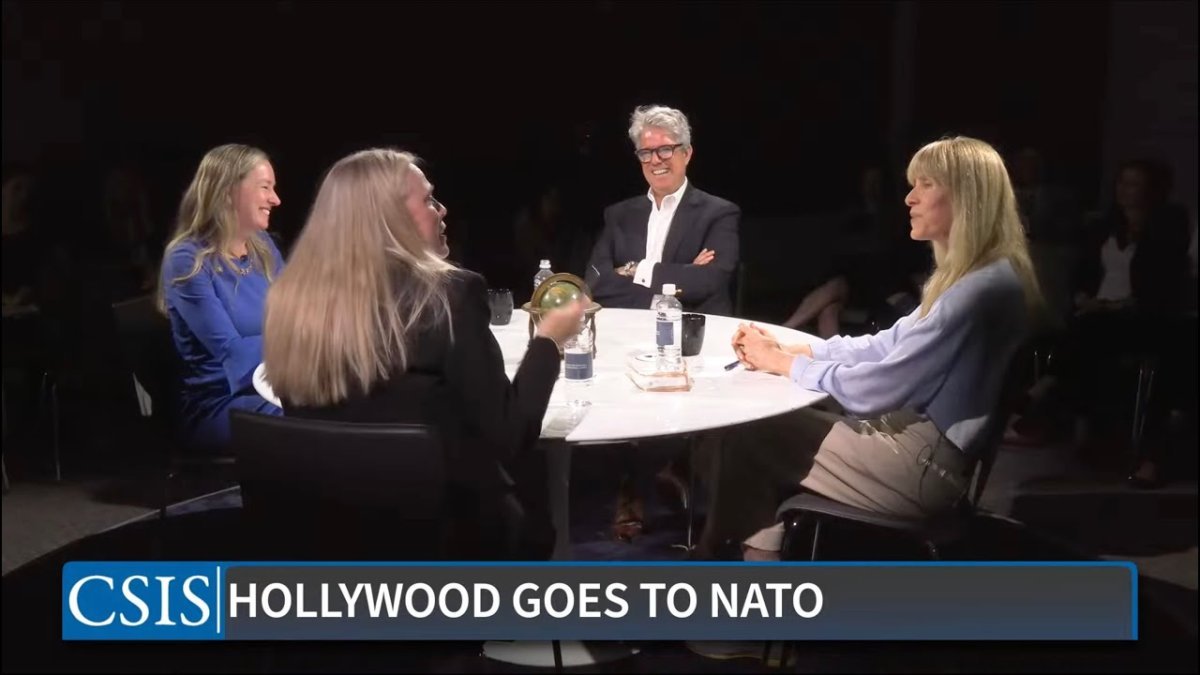
Hollywood Goes to NATO: Telling the Story of the Alliance
For NATO, the rationale may be pragmatic. Military victories alone no longer guarantee strategic success; legitimacy, perception, and narrative coherence are equally critical. In this context, influencing how stories about security, alliances, and conflict are told could be seen as an extension of “hybrid warfare,” a concept that blends conventional military means with cyber, informational, and psychological operations.
Still, the risks are significant. Any perception that creative industries are being co-opted could backfire, undermining both artistic independence and public trust. In countries where skepticism toward NATO remains strong—such as Ireland, where polling shows limited support for joining the alliance—such initiatives may deepen rather than bridge divides.
Ultimately, NATO’s outreach to filmmakers reveals a broader strategic recalibration. If the 20th century was defined by territorial battles and nuclear deterrence, the 21st is increasingly shaped by narratives—who controls them, how they are disseminated, and how they influence societies.
In that sense, these meetings are about far more than film or television. They signal an understanding within NATO that the next frontier of conflict may not be fought with tanks and missiles alone, but with scripts, storylines, and the power of persuasion.