



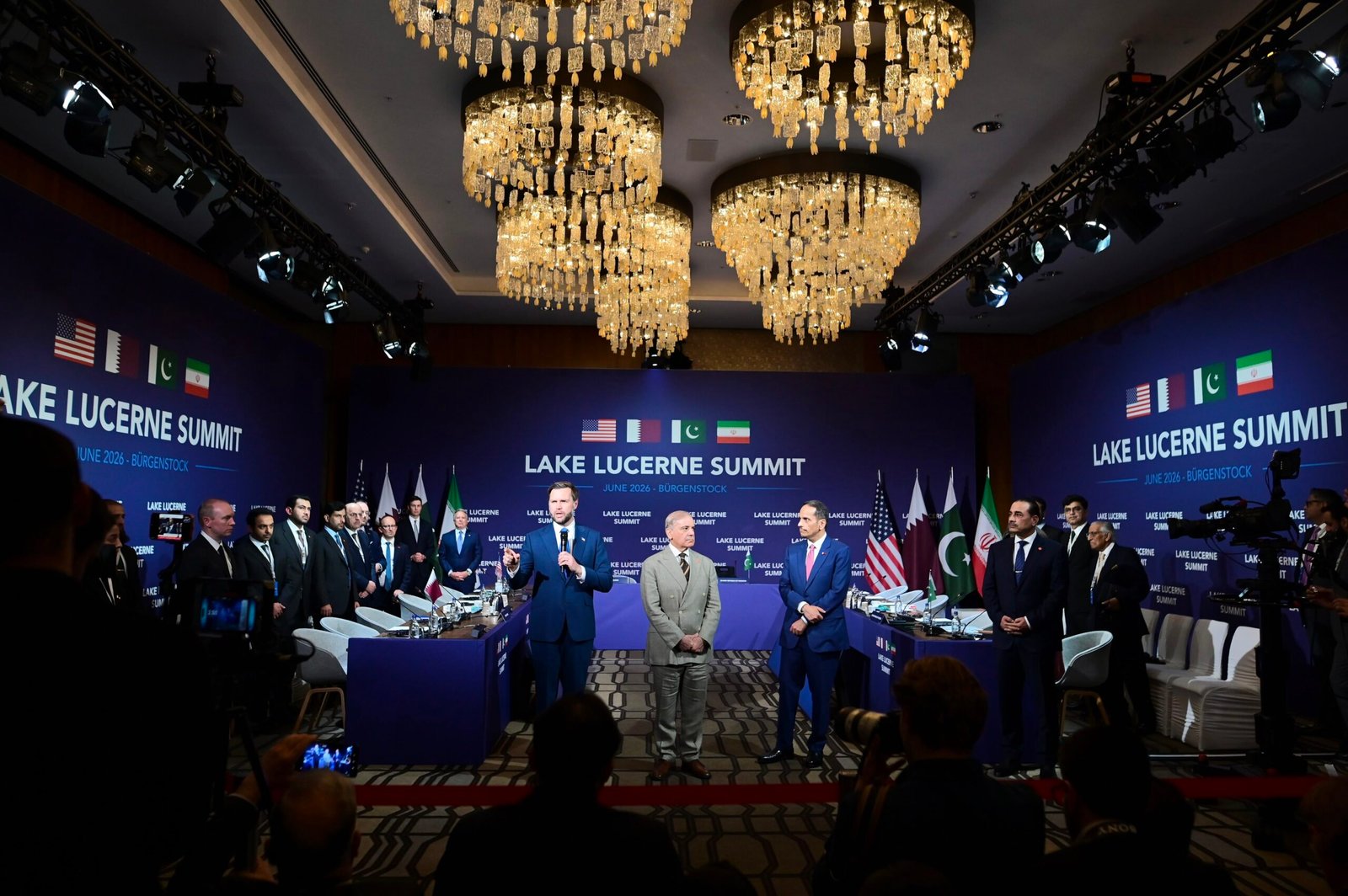
- Pakistan Qatar US Iran talks successfully meet first-round targets in Switzerland
- High-Level Committee established to oversee nuclear, sanctions, and dispute resolution tracks
- Direct communication line created to prevent escalation in Strait of Hormuz
- Pakistan and Qatar praised globally for stabilizing volatile negotiations
The thin Alpine air over Bürgenstock carried more than the usual stillness of Lake Lucerne this week—it carried the weight of a region on edge, of oil routes under threat, and of a fragile diplomatic architecture that nearly collapsed before it could stand. Against this tense backdrop, Pakistan and Qatar quietly but decisively delivered what many diplomats are now calling a “first breakthrough” in one of the most volatile negotiations in recent years.
The Lake Lucerne Summit, held under the framework of the Islamabad Memorandum of Understanding, concluded its first high-level session with outcomes that not only met—but in several areas exceeded—the targets set for this opening round. Despite moments of brinkmanship, walkouts, and incendiary rhetoric, the talks ultimately stabilized, signaling that diplomacy, though strained, remains firmly in motion.
The atmosphere throughout the summit oscillated between urgency and restraint. Security at the Bürgenstock resort was visibly intense—armed patrols, barricaded perimeters, and tightly controlled access points underscored the stakes. Yet inside the negotiating rooms, the tone was markedly different: deliberate, procedural, and, by the end, cautiously optimistic.
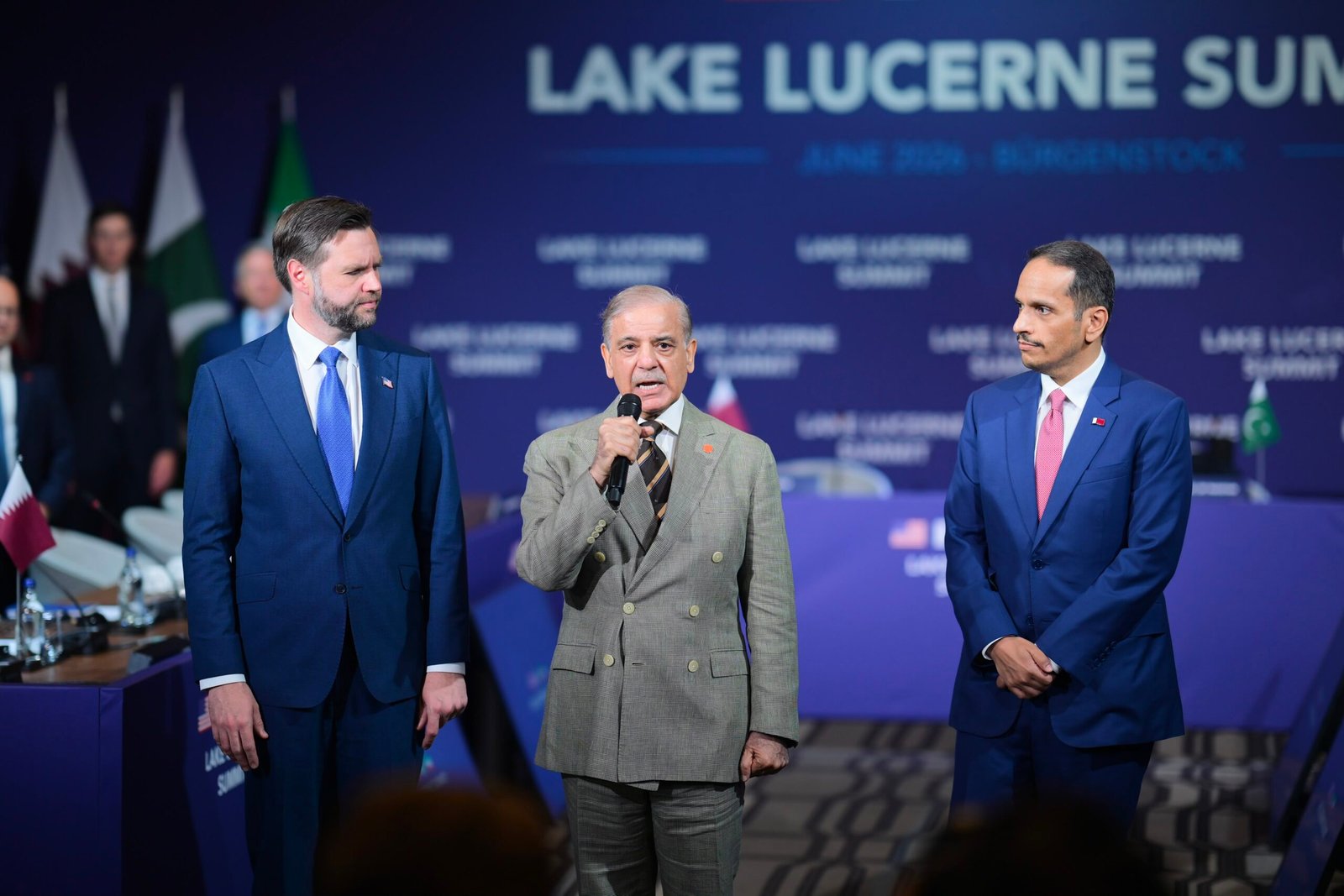
This contrast defined the summit. Just hours before the joint statement was issued, tensions had spiked dramatically following sharp warnings from Washington directed at Tehran over its posture in Lebanon. The Iranian delegation briefly suspended participation, casting doubt over the continuity of talks. It was at this critical juncture that Pakistani and Qatari mediators stepped in with calibrated diplomacy, restoring engagement and preventing a complete breakdown.
Their intervention proved decisive.
Read More:US Iran Talks Bürgenstock Gain Momentum as Pakistan Mediates Breakthrough Deal
By early Monday, negotiators had not only resumed dialogue but had agreed on a structured pathway forward. The establishment of a High-Level Committee to provide political oversight marks a significant institutional achievement. This body will supervise specialized working groups addressing nuclear issues, sanctions relief, and dispute resolution—core pillars that had previously stalled progress in similar negotiations.
Equally significant is the agreement on a 60-day roadmap toward a final deal. For seasoned observers, timelines in such negotiations often serve as symbolic gestures. This one, however, is different. Diplomats familiar with the process describe it as “operationally grounded,” supported by mechanisms that include continuous reporting by chief negotiators and the immediate commencement of technical-level discussions.
Releated:Iran Mediators Offer Plan to Ease Lebanon, Hormuz Tensions
Perhaps the most urgent breakthrough lies in the creation of a direct communication line between the United States and Iran. Designed to prevent miscalculation, particularly in the strategically vital Strait of Hormuz, this channel addresses one of the most dangerous flashpoints in the current crisis. With global energy markets watching closely, the assurance of safe passage for commercial vessels represents a stabilizing signal far beyond the negotiating table.
Another critical development is the formation of a de-confliction cell involving Lebanon, facilitated by the mediators. This mechanism aims to enforce the cessation of military operations and prevent escalation between Israel and Hezbollah—an issue that had threatened to derail the talks entirely. By integrating this regional dimension into the negotiation framework, the mediators have broadened the scope of diplomacy without losing focus on the core agenda.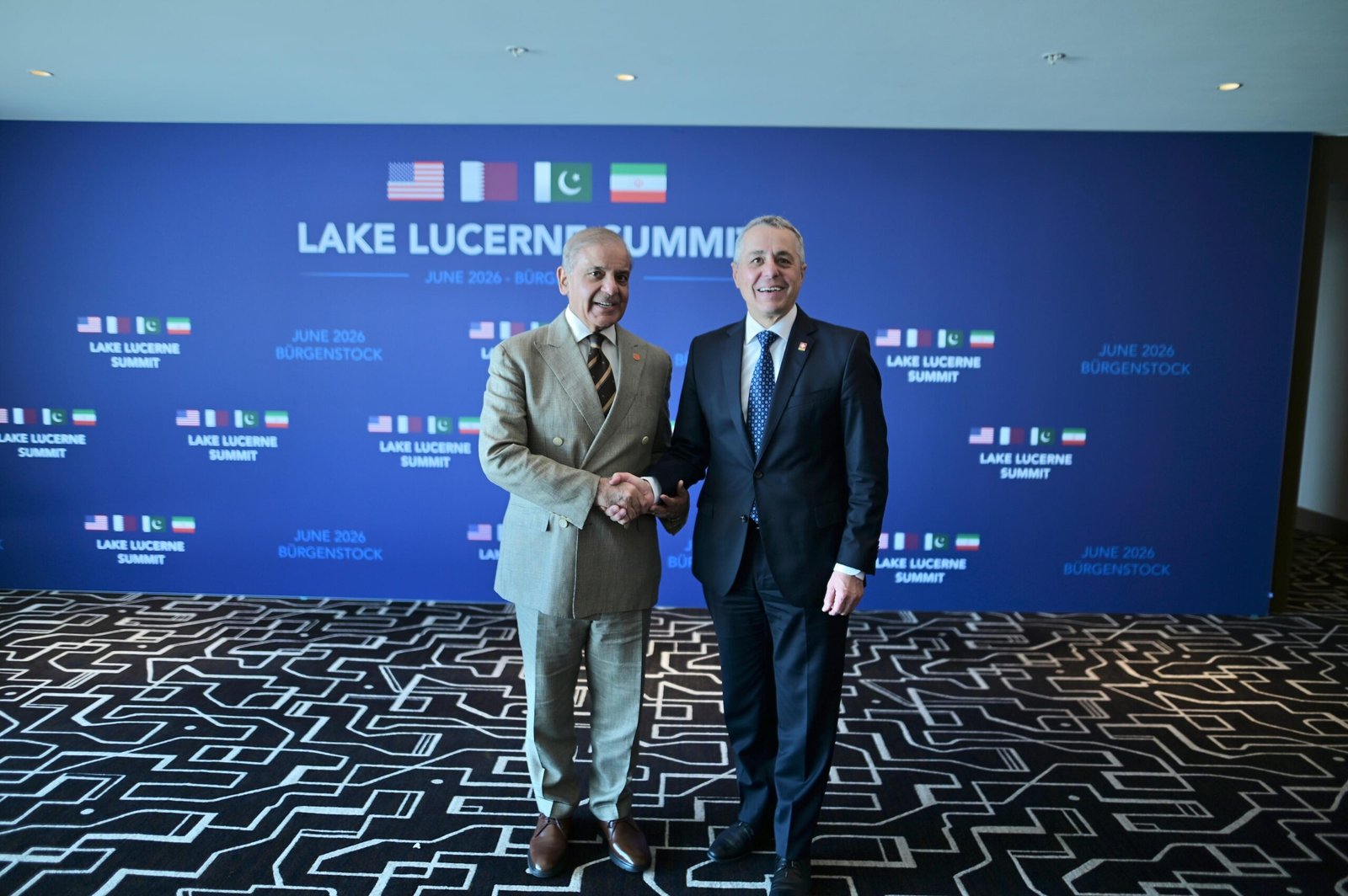
The success of this first round is, in large part, a testament to Pakistan’s diplomatic stewardship. Working in close coordination with Qatar, Islamabad managed to navigate competing pressures, maintain engagement during moments of crisis, and deliver tangible outcomes. In doing so, Pakistan has reinforced its emerging role as a credible mediator in complex geopolitical conflicts.
Qatar’s role, meanwhile, provided both strategic depth and continuity, leveraging its longstanding channels with all parties to complement Pakistan’s assertive diplomacy. Together, the two countries formed a mediation axis that proved resilient under pressure.
Swiss officials also earned widespread praise for their meticulous hosting. From security arrangements to logistical coordination and media access, Switzerland ensured that the summit unfolded with precision and transparency. International media were granted unprecedented access to delegations, lending credibility and visibility to the process—an often overlooked but crucial element in building global confidence.
Diplomats familiar with the negotiations have characterized the outcome as a “win-win situation for all stakeholders.” While no final deal has been reached, the architecture now in place significantly increases the probability of one. Progress on sanction waivers, discussions around frozen Iranian assets, and preliminary alignment on nuclear constraints indicate that substantive negotiations are no longer theoretical—they are underway.
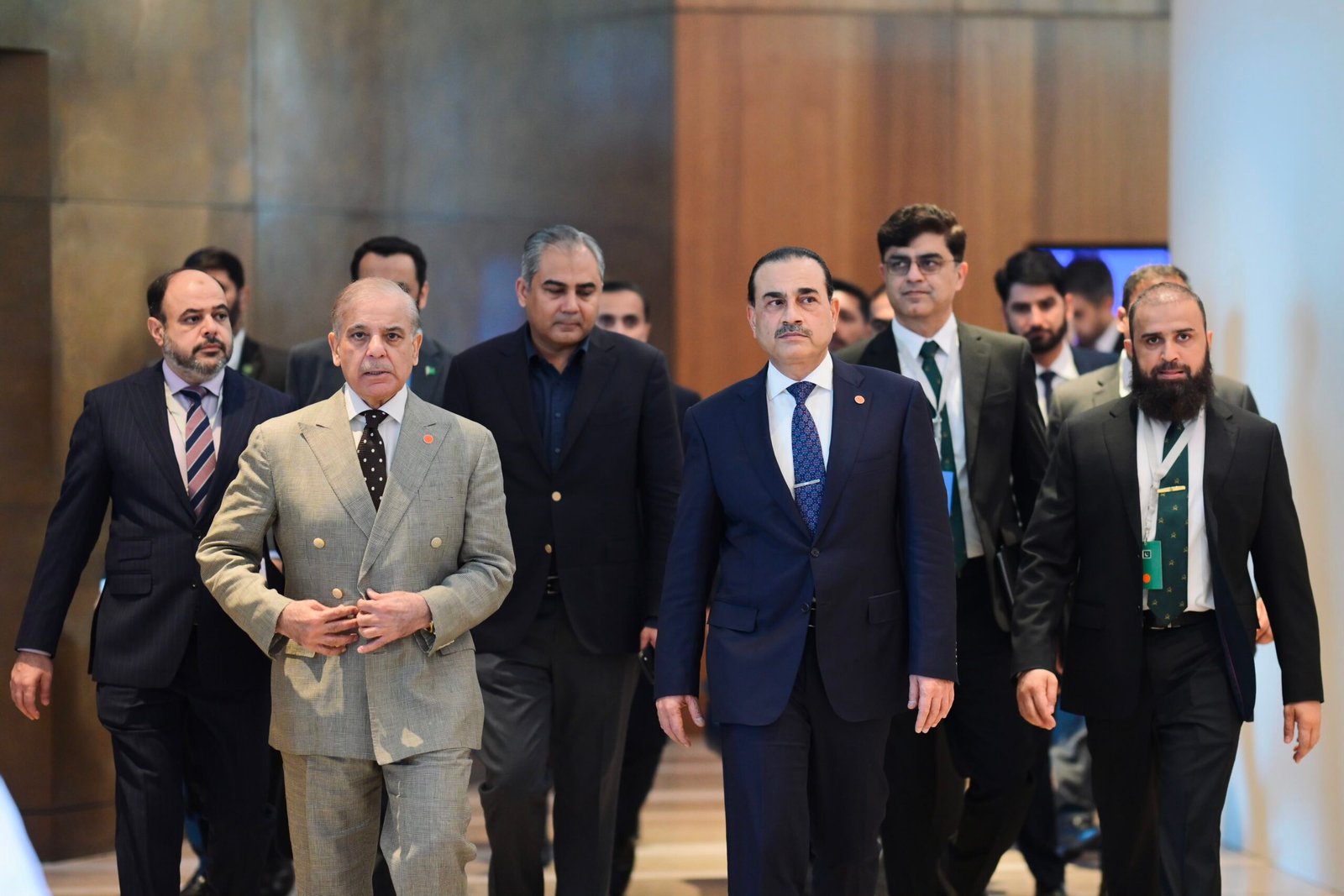
Looking ahead, the next phase of technical talks, continuing through the week in Bürgenstock, will test the durability of this momentum. The core challenges remain formidable: reconciling differences over uranium enrichment, aligning expectations on sanctions relief, and ensuring compliance across multiple theaters of conflict.
Yet, for the first time in weeks, the trajectory appears forward-moving.
The Lake Lucerne Summit may not have resolved the crisis—but it has redefined it. What began as a high-risk diplomatic gamble has, through careful mediation and strategic patience, evolved into a structured negotiation process with clear benchmarks and credible oversight.
In the quiet reflections of Lake Lucerne, diplomacy has found its footing again. And at the center of it stands Pakistan—steady, assertive, and, for now, indispensable.