



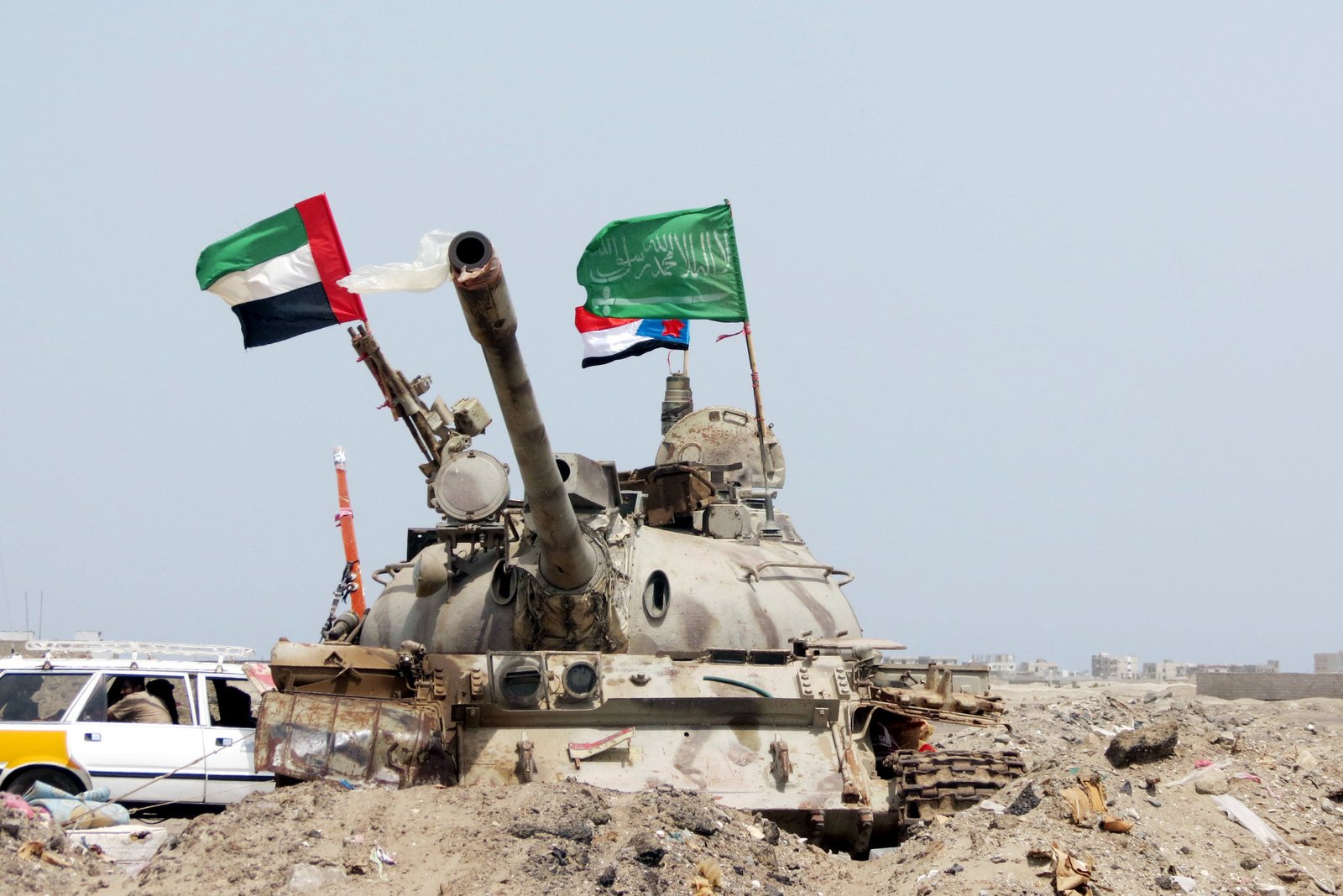
- Saudi Arabia ultimatum to UAE forces demands a full withdrawal within 24 hours following unauthorized weapon shipments.
- Riyadh declares national security a “red line” after conducting precision airstrikes on the port of Mukalla.
- Yemen’s Presidential Council cancels its defense pact with Abu Dhabi, accusing the nation of fueling internal rebellion.
- The rift between the two Gulf powers threatens to destabilize the broader Middle East amidst rising tensions with Iran.
The Middle East, a region that has navigated a delicate and often deceptive calm for years, is now standing at a precipice. The long-standing alliance between Saudi Arabia and the United Arab Emirates (UAE) has reached a historic breaking point following a dramatic 24-hour ultimatum issued by Riyadh.
This demand—that UAE forces vacate Yemen immediately—comes on the heels of a Saudi-led coalition airstrike on the port of Mukalla, signaling a “red line” in Saudi national security. As the threat of a wider conflict with Iran looms and the U.S. and Israel weigh their strategic options, the sudden internal fracture within the Gulf coalition has sent shockwaves through the international community.
Saudi Arabia Foreign Policy: How MBS and Trump Are Re-Engineering Middle East Stability
A Rift Between Allies
For years, Saudi Arabia and the UAE were the twin pillars of the intervention against Iran-aligned Houthi rebels. However, the mission has been plagued by diverging interests. While Riyadh remains committed to the legitimacy of the central Yemeni government under Rashad al-Alimi, Abu Dhabi has increasingly funneled support toward the Southern Transitional Council (STC).
Israel’s War in Gaza Is Turning Friends Into Foes
The catalyst for the current crisis was the arrival of UAE vessels at the port of Mukalla. Reports indicate these ships disabled their tracking systems before unloading massive quantities of heavy weaponry and combat vehicles intended for STC separatists. For Saudi Arabia, this was not merely a breach of protocol; it was an act of subversion. By empowering a faction that seeks to carve out an independent state in the south, the UAE is seen as undermining the very sovereignty Saudi Arabia is fighting to preserve.
The “Million Dollar Question”: A Double Game?
The sudden escalation raises a profound question: Is the UAE playing a strategic double game? Analysts are increasingly skeptical of Abu Dhabi’s long-term intentions. While officially part of the coalition, the UAE’s patronage of the STC suggests a desire for permanent influence over Yemen’s strategic waterways and ports, independent of Saudi or U.S. regional objectives.
Saudis Say Airstrike in Yemen Targeted Arms From U.A.E.
This friction occurs at a volatile moment. With the U.S. and Israel intensifying their posture against Iran, any instability within the Arab coalition creates a power vacuum. If the two most powerful Gulf economies descend into an “all-out conflict” on Yemeni soil, the primary beneficiary will be the Houthi movement and their backers in Tehran. The suspicion that a supposed ally might be fueling internal strife to secure its own maritime interests has turned a localized civil war into a high-stakes chess match between Riyadh and Abu Dhabi.
The Looming Threat of Regional Destabilization
Is the Middle East heading toward an era of unprecedented destruction? While the region has seen decades of proxy wars, the direct confrontation between Saudi Arabia and the UAE represents a new, more dangerous chapter. The cancellation of the defense pact by Yemen’s presidential council head, Rashad al-Alimi, and his accusation that the UAE is “fueling internal strife” marks a formal end to the veneer of unity.
The humanitarian stakes are catastrophic. Yemen is already home to one of the world’s worst humanitarian crises. A “befitting reply” by Saudi forces against militancy, coupled with a blockade on all ports and a no-fly zone, risks strangling the few remaining lifelines for the Yemeni population. Furthermore, the province of Hadramout, which borders Saudi Arabia, is now a flashpoint. Many prominent Saudis trace their lineage to this region, making its stability a matter of domestic prestige for the House of Saud.
Saudi Arabia Ultimatum to UAE : A Region on the Verge
While some analysts argue there is no “immediate” threat of a total regional collapse, the controversial policies of powerful nations are undeniably pushing the Middle East toward the verge of destabilization. The 24-hour ultimatum is a test of wills. If the UAE refuses to withdraw, or if the STC continues its military expansion in the south, the “red line” Riyadh has drawn may become a front line.
The dream of a peaceful Middle East, built on the back of recent normalization efforts and economic cooperation, is currently being overshadowed by the shadows of old rivalries and new ambitions. Whether the region faces a “catastrophe” or a managed de-escalation depends entirely on whether these two Gulf powers can reconcile their visions for Yemen—or if the thirst for regional dominance will lead them into a ruinous confrontation.