



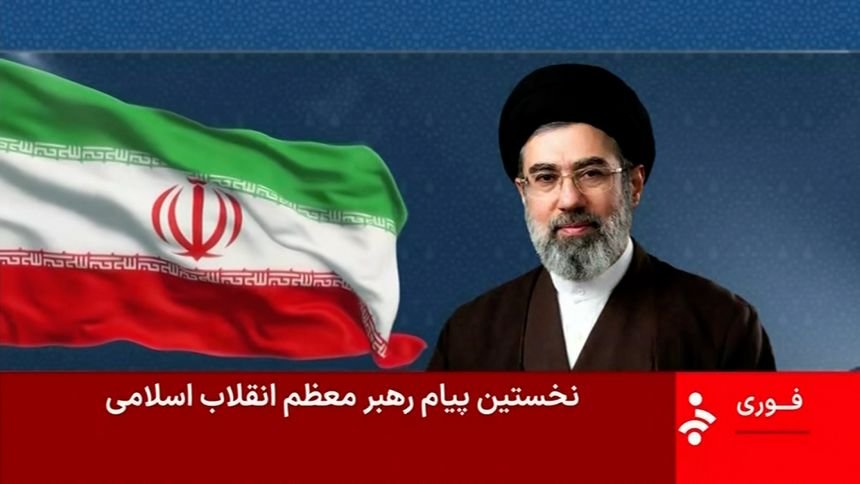
- Supreme Leader Consolidates Power: Mojtaba Khamenei has unified Iran, filling the leadership void and gaining overwhelming domestic support, making regime change by the U.S. or Israel highly unlikely.
- Escalation Against Gulf Allies: Tehran is expected to intensify operations targeting U.S. installations and Gulf states, particularly the UAE, over its relationship with Israel.
- Limited Diplomatic Openings: Direct communications between U.S. envoy Steve Witkoff and Iranian Foreign Minister Abbas Araghchi exist but are insufficient to guarantee de-escalation without authorized decision-making from Tehran.
- Geopolitical Buffers Strengthen Iran: Europe’s reluctance to join U.S. military action and hesitation to open the Strait of Hormuz enhances Iran’s strategic leverage and resilience in the ongoing conflict.
The Iranian conflict has entered a critical phase as Tehran signals a new level of defiance toward U.S. and allied interests in the Gulf. Sources indicate that Iran’s Supreme Leader, Mojtaba Khamenei, has instructed his cabinet to intensify attacks on U.S. installations across the region. Analysts suggest that his consolidation of power in the wake of his father’s death has filled a leadership vacuum, giving him unprecedented domestic legitimacy and confidence to chart an aggressive course.
One of the most striking developments has been the Supreme Leader’s ability to rally Iranian society around the flag of the nation. Reports from multiple sources suggest that young, relatively lesser-known Khamenei has received overwhelming support across the country, fostering a rare sense of unity.
Observers note that regime change efforts by the U.S. or Israel now face near-impossible odds; the Iranian population is reportedly prepared to resist foreign intervention at any cost, making the conflict as much about national pride and ego as strategic calculations.
Iran War Escalation: Assassination, Strait of Hormuz Crisis, and the Rise of a Hardened IRGC State
A key target of Tehran’s renewed assertiveness appears to be Gulf allies of the U.S., particularly the United Arab Emirates, whose growing ties with Israel have drawn ire from Tehran. Sources claim that the Supreme Leader will continue to leverage regional strikes and covert operations to undermine the Gulf states’ perceived alignment with U.S. policies, signaling a long-term strategic campaign rather than short-term reprisals.
Iran and U.S. have been in direct contact in recent days, sources say
In parallel, a cautious diplomatic opening has emerged. A direct communications channel between U.S. envoy Steve Witkoff and Iranian Foreign Minister Abbas Araghchi has reportedly been reactivated. U.S. officials confirmed that Araghchi sent messages focused on conflict resolution, though the Iranian minister publicly denied any recent contact, framing it as a misinformation effort.
President Donald Trump acknowledged Iranian communication with U.S. representatives but emphasized uncertainty regarding the legitimacy or authority of those officials, noting that it remains unclear who is empowered to negotiate in Tehran.
Trump-Xi Summit Uncertainty: Iran War Raises Questions but Officials Signal No Delay
Despite this nascent contact, experts stress that the existence of a channel does not guarantee de-escalation. “Even if direct or indirect, communication is positive, but it cannot substitute for the broader dynamics driving Iran’s resistance,” said one source familiar with the region.
The reluctance of European nations to support U.S. military efforts or intervene in Strait of Hormuz operations further strengthens Tehran’s hand, offering Iran a powerful geopolitical buffer and constraining Washington’s strategic options.
Forecasting the immediate trajectory of the conflict, analysts highlight several key factors:
- Sustained Iranian Unity: Domestic solidarity behind the Supreme Leader reduces the likelihood of internal pressures forcing de-escalation.
- Gulf Tensions: UAE and other Gulf states may face ongoing pressure campaigns, including cyber and asymmetric strikes, as Tehran seeks to exploit perceived vulnerabilities.
- Diplomatic Limitations: Even if Witkoff-Araghchi exchanges continue, substantive negotiation is unlikely in the absence of clearly authorized Iranian decision-makers.
- Global Hesitation: European reluctance to actively support U.S. military operations further constrains American leverage, potentially prolonging the conflict and compelling Washington to consider a strategic recalibration.
In conclusion, the Iran war appears poised for a protracted phase characterized by both aggressive Iranian operations and tentative, exploratory U.S. diplomacy. While channels of communication have opened, they are insufficient to alter the strategic calculus unless accompanied by credible guarantees, regional cooperation, and a clear framework for negotiation. In the near term, expect Tehran to pursue asymmetric pressure campaigns, while Washington balances deterrence with cautious outreach, leaving the Gulf states in a precarious position.