



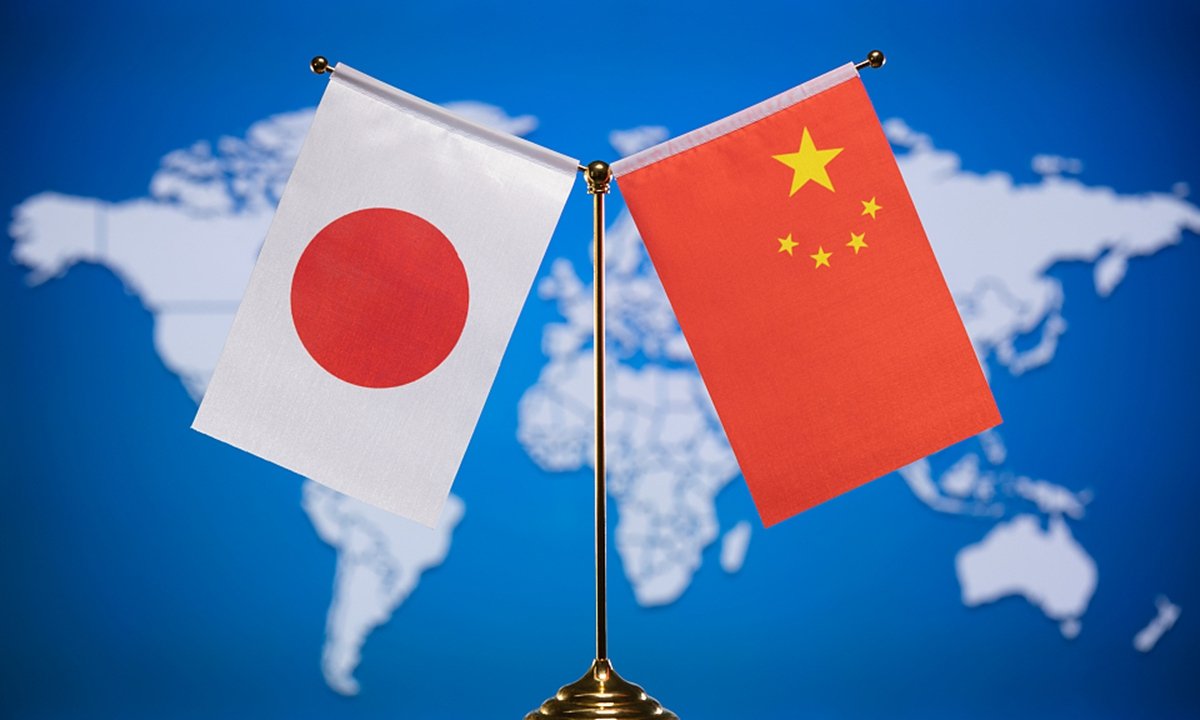
- Rising China-Japan tensions are being likened to a high-stakes “Wolves vs Man United” clash in international diplomacy.
- Chinese jets locking radar on Japanese aircraft highlight Beijing’s strategic edge in the Wolves vs Man United-like standoff.
- Analysts warn that without global intervention, the Wolves vs Man United scenario could escalate into a full-scale conflict.
- Major powers like the USA, Germany, and Russia are urged to prevent the Wolves vs Man United-style brinkmanship from destabilizing East Asia.
In a stark escalation of East Asia’s security landscape, China has accused Japan of threatening regional stability with provocative military rhetoric. The remarks, made by former Chinese Foreign Minister Wang Yi during a high-level meeting with his German counterpart, have sent shockwaves across diplomatic circles and prompted analysts to warn of the global risks posed by a potential Sino-Japanese confrontation.
Wang Yi’s statements came in response to recent remarks by Japanese Prime Minister Sanae Takaichi, who suggested that Tokyo could take military action if China moved against Taiwan in a way that might threaten Japanese security. “Japan, as a defeated nation, should exercise caution,” Wang declared, warning that exploiting the Taiwan issue to justify military posturing was “completely unacceptable.”
Analysts note that Takaichi’s hawkish stance signals a sharp shift in Japanese foreign policy, heightening regional tensions.
East Asia on Alert: Japan–China Taiwan Tensions Deepens Geopolitical Fault Lines
The immediate spark for Beijing’s ire came just days ago when Chinese fighter jets reportedly locked their radar on Japanese aircraft near Okinawa. Tokyo condemned the act as “dangerous” and a serious threat to air safety, while Chinese officials maintained that the maneuver was intended as a warning rather than an escalation. Though brief, the episode underscored China’s technological edge over Japan, highlighting advanced radar systems and carrier-based air capabilities.
Analysts have even started comparing the simmering tensions to a high-stakes football clash, describing the standoff as “Wolves vs Man United” — a battle of skill, strategy, and brinkmanship where each side is testing the other without fully committing to conflict. “The radar lock may have lasted only minutes, but the message is clear: China has the capability to dominate if provoked,” said one Asia-Pacific security analyst.
READ MORE: Japan threatening us militarily, China tells German foreign minister
The stakes are higher than ever. The world is already grappling with the destabilizing effects of the Ukraine war and ongoing Israeli-Palestinian violence, putting immense pressure on energy markets and global trade. Experts warn that an additional military flashpoint in East Asia could dramatically worsen the fragile global security environment.
Major powers face increasing pressure to intervene diplomatically. The United States, Germany, Russia, and other influential nations are being called upon to prevent further escalation, urging restraint on both sides. Failure to act could spark an unintended conflict with far-reaching geopolitical consequences, threatening global economic stability and international peace.
Despite the tensions, Beijing and Tokyo are walking a fine line. Japan continues to reinforce surveillance and readiness around its air and maritime space, while China vows to protect its sovereignty and maintain regional stability. For now, the radar-lock incident serves both as a demonstration of military capability and a stark warning: East Asia remains a tinderbox, where miscalculations could ignite a larger crisis.
ALSO READ: China, Japan, and the Peril of Manufactured Provocations
As the year draws to a close, the international community watches closely. With China asserting its strategic dominance and Japan adopting a more assertive posture, the situation — much like a tense “Wolves vs Man United” match — could swing in unexpected ways. Diplomacy, strong global coordination, and restraint will be key to ensuring the world does not pay the price of another regional war.
As the world watches, the China-Japan standoff increasingly resembles a tense Wolves vs Man United match — each side testing boundaries, showing strength, and sending calculated warnings. Analysts warn that without careful diplomacy, this Wolves vs Man United-style confrontation could escalate into a broader regional crisis. Global powers must step in to manage the China-Japan tensions, ensuring that this high-stakes Wolves vs Man United scenario does not spiral into full-scale conflict.