



-
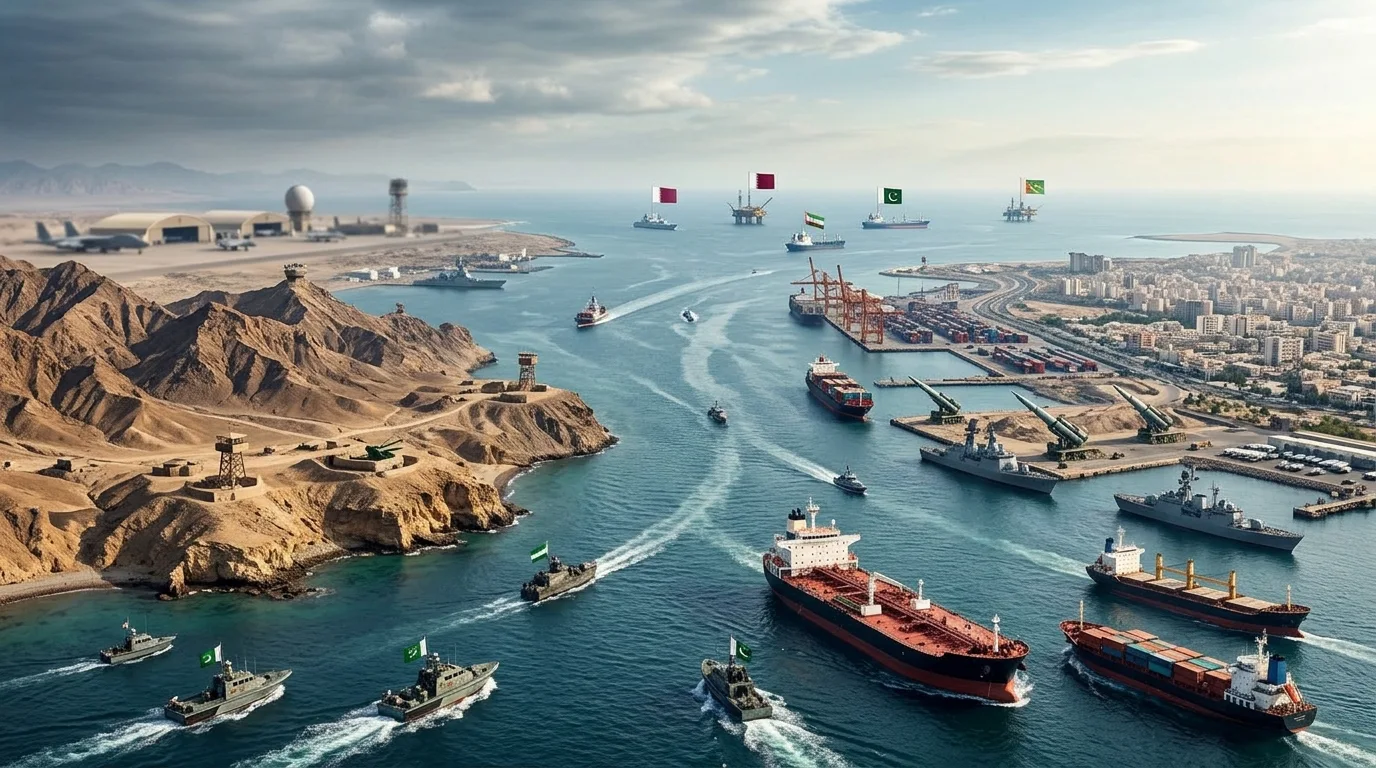
Strait of Hormuz mediation remains deadlocked around transit rules after the collapse of the June memorandum of understanding, keeping energy markets and maritime insurers on edge.
-
Indirect message exchanges between Washington and Tehran via Qatar and Pakistan—with Foreign Minister Abbas Araghchi reviewing proposals and Ambassador Reza Amiri Moghadam confirming the backchannel—signal engagement without public concessions.
-
Iranian warnings over US assets in Gulf states, alongside Tehran’s welcome of China- and Russia-led Yemen diplomacy, heighten regional hedging and chokepoint escalation risks
Nearly nine months after the United States and Israel launched attacks on Iran on February 28, the war has settled into a pattern that is neither full-scale conflict nor negotiated peace.
Iranian missile and drone responses across the region and the effective closure or disruption of the Strait of Hormuz have turned a bilateral confrontation into a systemic shock to energy and shipping. The diplomatic track is alive but narrow, and the central dispute is still who controls the terms of passage through the strait.
The Diplomatic Track: Channels Open, Terms Unresolved
The collapse of the June memorandum of understanding is the key reference point. That framework, like the earlier ceasefire efforts, broke down amid disputes that included navigation in the strait. The lesson for mediators is that any deal that leaves transit rules ambiguous will fail at the first operational test.
READ MORE: Iranian Foreign Minister Abbas Araghchi Calls on COAS Field Marshal Asim Munir in Rawalpindi
Communication has not stopped. Washington and Tehran continue to exchange messages indirectly, with Qatar and Pakistan as the principal intermediaries. Iran’s Ambassador to Pakistan, Reza Amiri Moghadam, in remarks reported by Mehr News Agency, confirmed that messages are passing through both countries.
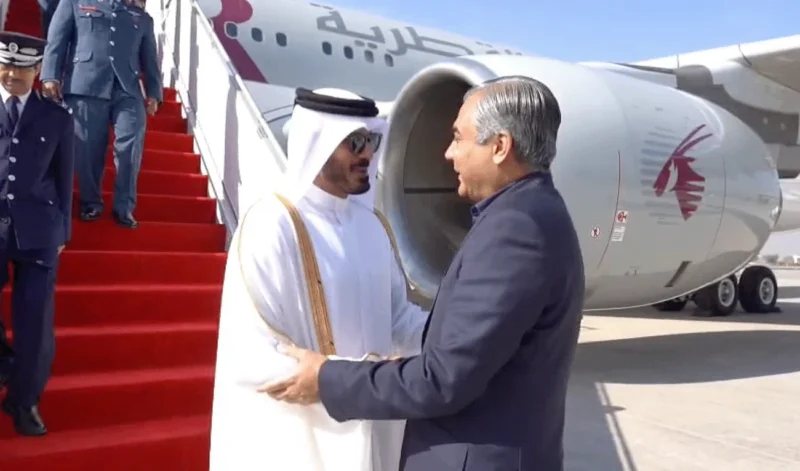
This matters because it is an on-record Iranian acknowledgment of the channel, not just a diplomatic rumor.
Foreign Minister Abbas Araghchi has taken part in reviewing the mediators’ proposals but has held firm on Iran’s core conditions for reopening the strait. Those conditions have not softened publicly. Engagement with proposals signals that Tehran sees value in the process, but it should not be read as flexibility on substance.
READ MORE: Iran, US still far apart on deal; Trump says ready but in no hurry for strikes
Amiri Moghadam also welcomed China- and Russia-backed diplomatic efforts on Yemen that recognize “realities on the ground.” That phrasing is a position, not a neutral description.
It signals that Tehran favors a settlement reflecting current territorial and political facts in Yemen, and it shows Iran seeking to widen the diplomatic arena beyond Washington-centered mediation. Beijing and Moscow gain standing in a theater where Western influence is contested.
Assessment:
Pakistan’s role deserves more attention than it usually gets. Islamabad has working relationships with Tehran, the Gulf monarchies, Washington, and Beijing. That makes it a credible message carrier, though not a guarantor. Qatar brings established channels and Gulf credibility. Neither can compel compliance, so the mediators’ leverage depends on whether both principals prefer a managed de-escalation to the present stalemate.
Escalation Risk: The Gulf Host-State Dilemma
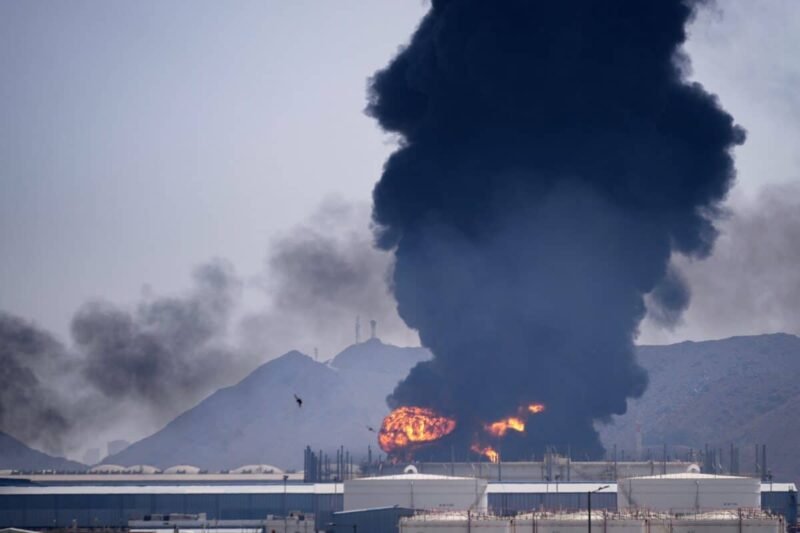
Iranian warnings directed at Gulf states that host US assets on their soil are the most consequential escalatory signal in the current environment. They are statements of position, not confirmation of new operations, but they alter the risk calculus for every capital in the region.
Assessment:
The warnings put Gulf governments in a bind. Hosting US forces is a core element of their security architecture, yet it exposes them to retaliation they did not choose. Rhetoric of this kind raises the cost of hosting, pushes those governments toward the mediation track, and gives them an incentive to lobby Washington for restraint. It could also harden positions if a miscalculation or incident prompts a response.
The strait remains the chokepoint where such miscalculations are most likely. The June collapse showed that navigation disputes can unravel diplomatic understandings quickly. Any arrangement for reopening will require clear, verifiable procedures on transit, inspection, and deconfliction, and it must be acceptable to Tehran, Washington, and the Gulf states whose exports depend on the passage.
Strait of Hormuz: Strategic and Commercial Implications
A disrupted Hormuz imposes a persistent risk premium, not a one-time shock. Producers and traders should plan for continued volatility tied to diplomatic signals, with the likeliest triggers being a mediator announcement, a navigation incident, or a statement about Gulf-hosted assets. Companies with Gulf exposure should stress-test supply chains against both a prolonged closure and a rapid, partial reopening. The latter could bring its own disruptions from backlogged cargoes and uncertain security arrangements.
Maritime shipping and insurance.
For shipowners and insurers, the main issue is predictability. The June episode suggests that even a negotiated reopening may be fragile, so underwriters are likely to keep war-risk coverage conditional and reprice quickly on any breakdown. Operators should expect compliance, routing, and crew-welfare questions to persist beyond any ceasefire. Contracts should address force majeure, rerouting costs, and the legal status of vessels under any inspection regime Iran or others may assert.
Regional capitals.
Gulf governments will keep hedging: deepening dialogue with Tehran through Doha and Islamabad while preserving their US security ties. Beijing and Moscow see an opening to shape outcomes, particularly in Yemen, and Islamabad is positioned to benefit diplomatically while remaining exposed to energy-price and regional-security pressures.
Outlook
The next phase will turn on three questions: whether mediators can produce a Hormuz formula that survives operational contact, whether Washington and Tehran will move from message exchange to structured negotiation, and whether Gulf states can avoid being drawn into direct confrontation. The channels through Qatar and Pakistan remain the most credible route to an exit. They are necessary but not sufficient, and executives and policymakers should plan for a long period of managed instability.