



-
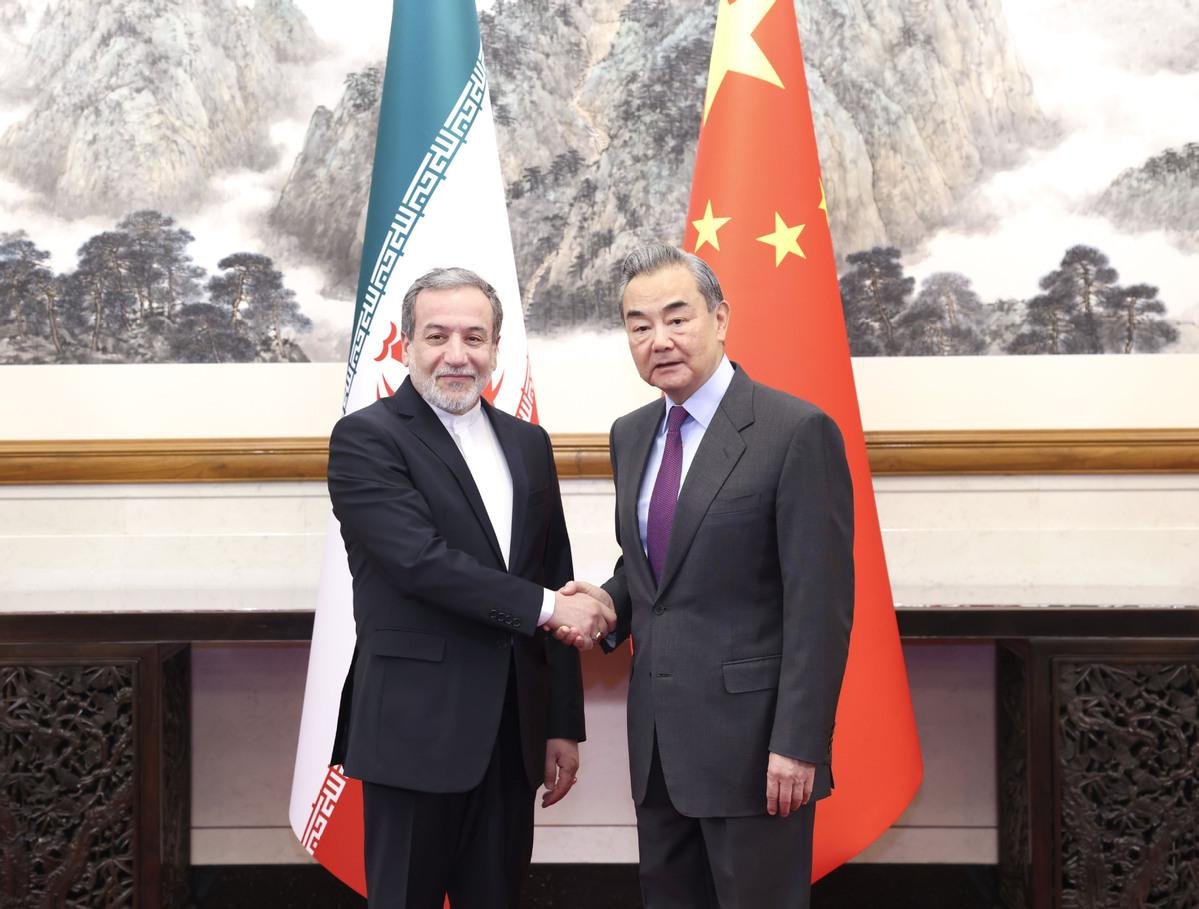
Araghchi China Visit: Iran’s Foreign Minister Araghchi arrives in Beijing on May 6, just 8 days before President Trump’s high-stakes summit with Xi Jinping.
- Fresh Iranian attacks on UAE and US ships in Strait of Hormuz have dramatically raised tensions ahead of the diplomatic window.
- Visit seen as Tehran’s strategic move to secure Chinese support and shape agenda before Trump pressures Beijing on Iran.
- Analysts believe China could play a decisive role in converting the fragile Islamabad ceasefire into a permanent peace deal.
In a tightly choreographed display of diplomatic timing, Iranian Foreign Minister Seyyed Abbas Araghchi arrives in Beijing on May 6 for high-level talks with his Chinese counterpart Wang Yi—just eight days before U.S. President Donald Trump lands in the Chinese capital for a pivotal summit with President Xi Jinping on May 14-15.
The visit, confirmed by both Tehran and Beijing, is far from routine. It unfolds against the backdrop of fresh Iranian missile and drone strikes on the United Arab Emirates and vessels in the Strait of Hormuz, actions that have shattered the fragile April ceasefire and pushed regional temperatures to a dangerous high.
The timing is no coincidence. Analysts across the region describe Araghchi’s trip as a deliberate pre-emptive maneuver in the shadow of Trump’s forthcoming Beijing agenda, where U.S. officials have already signaled Iran will top the discussion list.
Washington is pressing Beijing to leverage its economic leverage over Tehran—China purchases roughly 90 percent of Iran’s oil exports under sanctions—to force compliance and reopen the Hormuz chokepoint. Yet for Tehran, the visit offers a chance to secure Chinese diplomatic cover, economic continuity, and perhaps quiet mediation before the U.S. leader arrives.
Strait of Hormuz on a Knife-Edge: US-Iran Clashes Threaten Ceasefire as Tehran Strikes UAE Targets
Recent events in the Gulf have lent the trip added urgency. On May 4, Iran launched its first direct attacks on UAE territory since the ceasefire, including a drone strike on an oil facility in Fujairah, while Iranian forces targeted merchant shipping and U.S.-protected vessels in the Strait of Hormuz.
U.S. Troop Withdrawal from Germany Signals Deepening Rift Over Iran War
The U.S. military responded by sinking seven Iranian small boats. These incidents have not only reignited fears of a wider conflagration but have also exposed the ceasefire’s fragility. The strait, through which 20 percent of China’s energy imports flow, remains partially blocked, disrupting global oil markets and Beijing’s strategic interests.
Araghchi’s outreach to Beijing must be read in this light: a bid to prevent further escalation while positioning Iran advantageously ahead of the Trump-Xi meeting.
Breaking News: Iran Fires Missiles at U.S. Navy Vessel Near Strait of Hormuz, Raising Fears of Wider War
The Islamabad talks provide crucial context. In April 2026, Pakistan successfully brokered an initial ceasefire between Washington and Tehran, hosting face-to-face negotiations that, while not producing a comprehensive deal, established a workable framework for de-escalation.
Pakistani diplomats and analysts credit the Islamabad process with creating the first sustained pause in fighting since the U.S.-Israeli campaign against Iran began earlier this year. Tehran now appears to view Beijing as the logical next stop—an extension of the Islamabad momentum.
U.S. and Iran exchange taunts as attacks imperil fragile ceasefire
China, unlike Pakistan, brings unmatched economic weight and a long-standing “strategic partnership” with Iran, including Belt and Road investments and consistent defiance of Western sanctions on Iranian energy exports.
US China chip war escalates as export controls tighten semiconductor rivalry
Senior analysts in Islamabad and Beijing argue that Araghchi’s visit is explicitly calibrated around the U.S.-Iran standoff. “The eight-day gap is not accidental,” notes Dr. Hassan Askari, a Pakistani foreign policy expert with close ties to Track II diplomacy.
“Tehran understands that Trump will arrive in Beijing armed with demands on Iran—sanctions relief tied to nuclear compliance, full reopening of Hormuz, and an end to proxy activities. By engaging Wang Yi first, Araghchi is seeking to shape the narrative China presents to Trump. Beijing has repeatedly called for ‘constructive dialogue’ and has a vested interest in stabilizing energy flows.”
For China, the balancing act is exquisitely delicate. On one hand, Beijing remains Tehran’s economic lifeline. Chinese firms continue importing discounted Iranian crude and have been accused by Washington of supplying dual-use components that sustain Iran’s missile and drone programs.
On the other, Xi Jinping’s administration is eager to avoid a direct clash with the Trump administration, especially as broader trade, technology, and Taiwan issues loom large in the May summit. Chinese state media has emphasized Beijing’s “constructive role” in regional tensions, signaling willingness to mediate without alienating either side.
Iranian officials, speaking on background, frame the visit as part of “ongoing diplomatic consultations” to safeguard the ceasefire and explore pathways to a permanent resolution. Araghchi, who has emerged as Tehran’s chief international troubleshooter since the war, is expected to brief Wang Yi on Iran’s red lines—particularly regarding Hormuz security and sanctions relief—while probing whether China might quietly urge Washington toward flexibility during the Trump-Xi talks.
The strategic subtext is clear. While Islamabad provided the initial platform for U.S.-Iran engagement, China possesses the leverage to transform a shaky truce into a durable settlement. Beijing’s influence over both energy markets and Tehran’s survival calculus makes it uniquely placed to nudge both sides. If Araghchi can secure even tacit Chinese assurances of continued economic support and diplomatic backing, Tehran gains breathing room.
Conversely, if Beijing signals willingness to condition oil purchases or dual-use trade on Iranian restraint, Washington may find the off-ramp it seeks.Regional watchers caution against over-optimism. The Hormuz incidents demonstrate how quickly the ceasefire can unravel. Yet the convergence of Araghchi’s Beijing mission and Trump’s summit underscores a rare alignment: major powers recognizing that unchecked escalation in the Gulf serves no one’s interests.
For now, the diplomatic calendar favors de-escalation over confrontation.As Araghchi’s plane touches down in Beijing, the eyes of the Middle East—and global energy markets—remain fixed on whether China can translate its economic clout into genuine mediation. The coming week will reveal whether this carefully timed visit marks the beginning of a genuine off-ramp or merely another round of geopolitical maneuvering. In either case, it confirms China’s ascent as the indispensable power broker between Washington and Tehran.