



- Trump Iran War Analysis: Seven days that could reshape Middle East geopolitics
- Leadership crisis inside Iran following assassination of supreme leader
- Strait of Hormuz tensions threaten global energy and inflation outlook
- Political consequences in Washington and strategic ripple effects across Asia
The next seven days may determine not only the outcome of the escalating United States–Iran war but also the future balance of power across the Middle East, global energy markets, and Western political alliances.
After the assassination of Iran’s supreme leader in a precision strike widely attributed to coordinated U.S.–Israeli intelligence, the conflict has entered a decisive phase. Washington believes time is now working against Tehran. The question dominating global capitals is simple: can Iran sustain the confrontation longer than the United States and Israel — politically, militarily, and economically?
From missile inventories to oil prices, from shipping insurance to electoral politics in Washington, the consequences of this conflict are already rippling far beyond the battlefield.
A War Measured in Days, Not Months
Military analysts estimate that U.S. and Israeli forces maintain roughly a week’s worth of high-intensity missile operations currently positioned in theatre. Yet Western intelligence assessments increasingly suggest Iran’s operational capacity — and political cohesion — may deteriorate sooner.
The March 1 strike that eliminated Iran’s long-serving supreme leader and several senior officials, including key security figures tied to the Islamic Revolutionary Guard Corps (IRGC), has reportedly left Tehran’s command structure fractured. Intelligence agencies appear to have possessed detailed knowledge of the leadership meeting’s timing and participants, enabling what analysts describe as one of the most consequential targeted strikes in modern Middle Eastern conflict.
What We Know — and What We Do Not Yet Know — About the Joint U.S.–Israel Attack on Iran
Iranian state media initially denied the leader’s death, further eroding credibility domestically and internationally as confirmation emerged through multiple foreign intelligence channels.
Ayatollah Alireza Arafi, now serving as acting supreme leader, faces immense pressure. Diplomats and security observers believe his survival — politically and possibly physically — depends on whether Tehran moves toward negotiations quickly. Western officials privately argue that Iran’s remaining leadership understands it is operating without secure facilities or reliable internal communication networks.
Missile Exchanges and Strategic Reality
Iran has launched retaliatory missile attacks toward multiple regional targets, but with limited measurable military success. Instead, the strikes have accelerated regional alignment against Tehran, strengthening informal cooperation among several Arab states concerned about escalation.
The Iranian leadership now confronts a dilemma: continued escalation risks further decapitation strikes, while negotiation risks internal fragmentation among hardliners.
Potential successors once discussed within Iranian political circles — including judiciary chief Gholam-Hossein Mohseni-Ejei and reform-leaning cleric Hassan Khomeini — remain politically uncertain figures amid the chaos. The role of President Masoud Pezeshkian is similarly unclear, with speculation mounting about internal divisions within Iran’s civilian leadership.
The Strait of Hormuz: Global Economic Fault Line
The most immediate global concern remains the Strait of Hormuz, through which roughly one-fifth of global oil supplies typically transit.
Energy markets are operating on a simple calculation:
-
If Hormuz remains disrupted, inflationary pressures could surge worldwide.
-
If maritime traffic normalizes by mid-March, oil and fuel prices may stabilize despite wartime volatility.
Regional infrastructure provides partial mitigation. The Abu Dhabi crude oil pipeline to Fujairah bypasses Hormuz entirely, while Saudi Arabia’s East-West pipeline can transport oil to the Red Sea port of Yanbu. Together, these routes maintain limited export capacity — roughly 20 percent of normal regional throughput — preventing a total supply shock.
However, shipping insurance premiums are already rising sharply for airlines, commercial vessels, and logistics operators operating across the Gulf.
Markets, Energy, and Investor Anxiety
Global stock markets have so far shown resilience, but analysts warn valuations remain historically stretched. A prolonged conflict or major disruption in energy flows could trigger the long-anticipated market correction many economists expect sometime in 2026.
Dubai, long marketed as a safe financial and tourism hub, faces reputational risk if regional instability persists. Industry observers anticipate large-scale international marketing campaigns aimed at restoring investor and tourist confidence should missile threats continue.
Western Political Realignment
The war is also reshaping Western alliances. British Prime Minister Keir Starmer has reportedly softened earlier resistance to U.S. military access to UK airbases, prioritizing evacuation readiness for British nationals across the Middle East.
European Union leaders, meanwhile, appear increasingly peripheral to crisis decision-making dominated by Washington, regional powers, and Asian stakeholders. Diplomatic influence has shifted toward capitals capable of immediate military or economic leverage.
China, the Houthis, and Expanding Risks
One under-discussed consequence involves China. If maritime insecurity expands into Red Sea shipping lanes controlled by Yemen’s Houthi movement, Beijing — heavily dependent on Gulf energy supplies — may face growing pressure to safeguard its trade routes.
What began as a U.S.–Iran confrontation could therefore evolve into a broader geopolitical challenge affecting Asian energy security.
Political Stakes for Trump
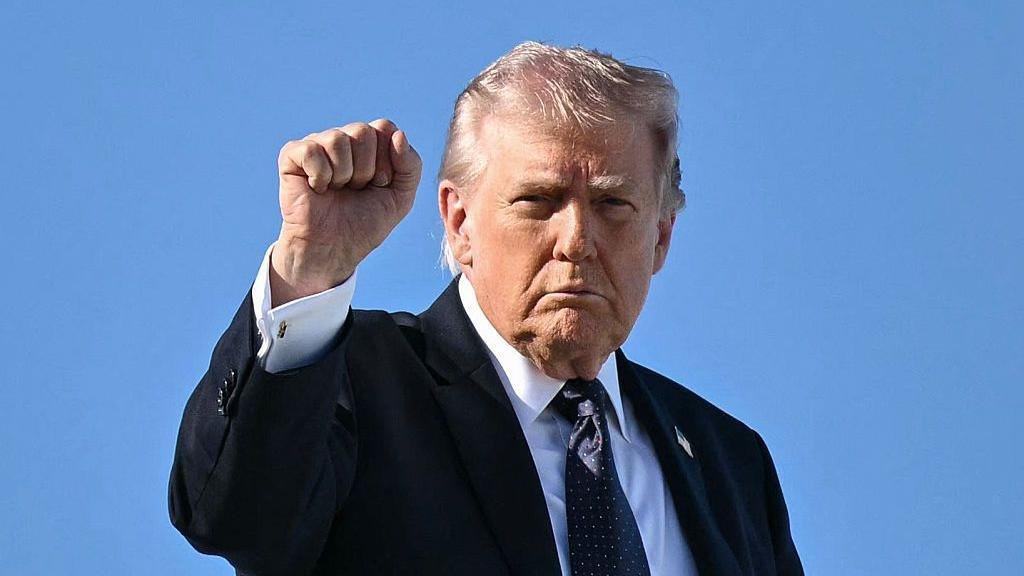
For President Donald Trump, the conflict carries enormous domestic political implications. Success in forcing Iranian concessions could strengthen pro-Trump candidates ahead of congressional primaries and reinforce his foreign-policy narrative of decisive leadership.
Failure, however — particularly if missile stockpiles diminish without strategic gains or Congress limits military authority — could embolden political opposition and intensify domestic polarization in Washington.
Implications for South Asia
Strategists warn that prolonged instability in the Middle East may indirectly heighten tensions in South Asia. If global diplomatic attention remains fixed on Iran, unresolved disputes between nuclear-armed India and Pakistan could re-emerge amid reduced international mediation pressure.
Regional stability, analysts argue, increasingly depends on simultaneous de-escalation across multiple theatres rather than isolated crisis management.
A Seven-Day Window
Wars rarely follow precise timelines, yet this conflict may prove unusually compressed. Leadership decapitation, economic pressure, and limited missile inventories suggest a decisive phase is imminent.
Within a week, the world may know whether Washington’s gamble forces negotiations — or opens a far wider and more unpredictable regional conflict.